Arts District Houston, East Harris County, Midtown, Fifth Ward, East End, Montrose, and Warehouse District .

HouArts presented the work of the Effective Storytelling in April, watch the recording
OVERVIEW
Houston has one of the most active arts and culture scenes in the country. Most people outside the sector don’t know it yet.
HouArts spent the pilot year working on that gap. Across four working groups, artists, advocates, organizers, and community members came together to understand the systems that shape their lives — how public money moves, how spaces get activated, how stories get told, how careers get built — and to start building the relationships and tools to influence them.
Four patterns surfaced across every group:
The pilot year is a beginning. By 2030, HouArts envisions a Houston where arts and culture have stable funding, accessible spaces in every neighborhood, sustainable careers for creatives, and a genuine seat at the table. That Houston is built exactly the way this year was built.

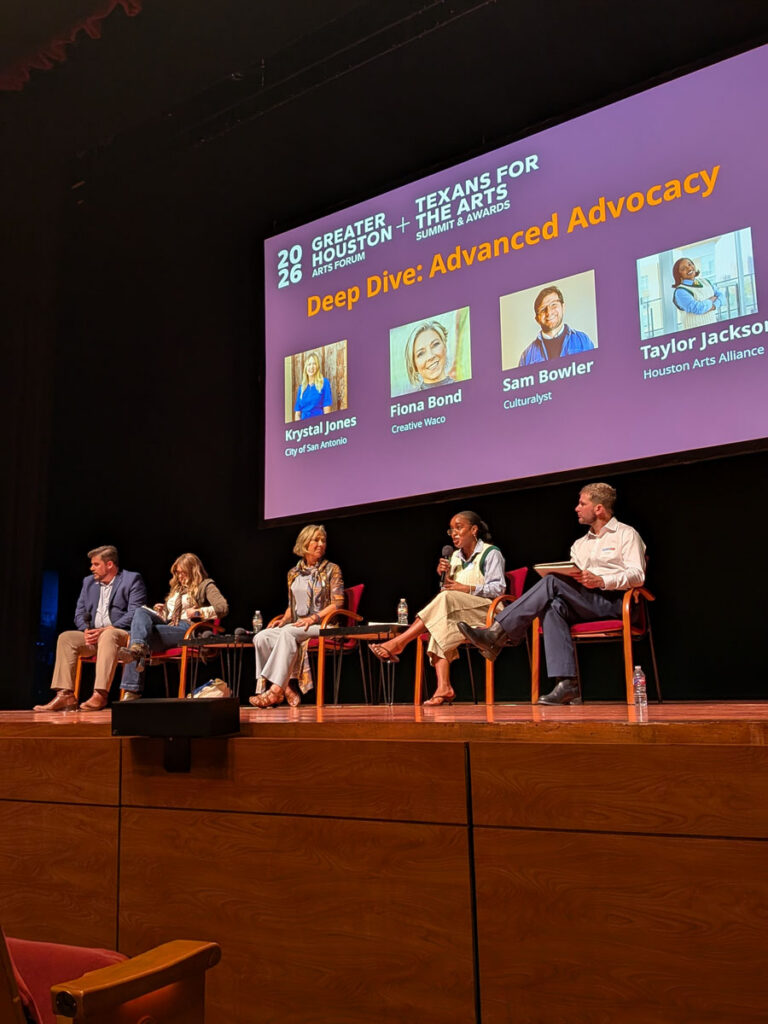
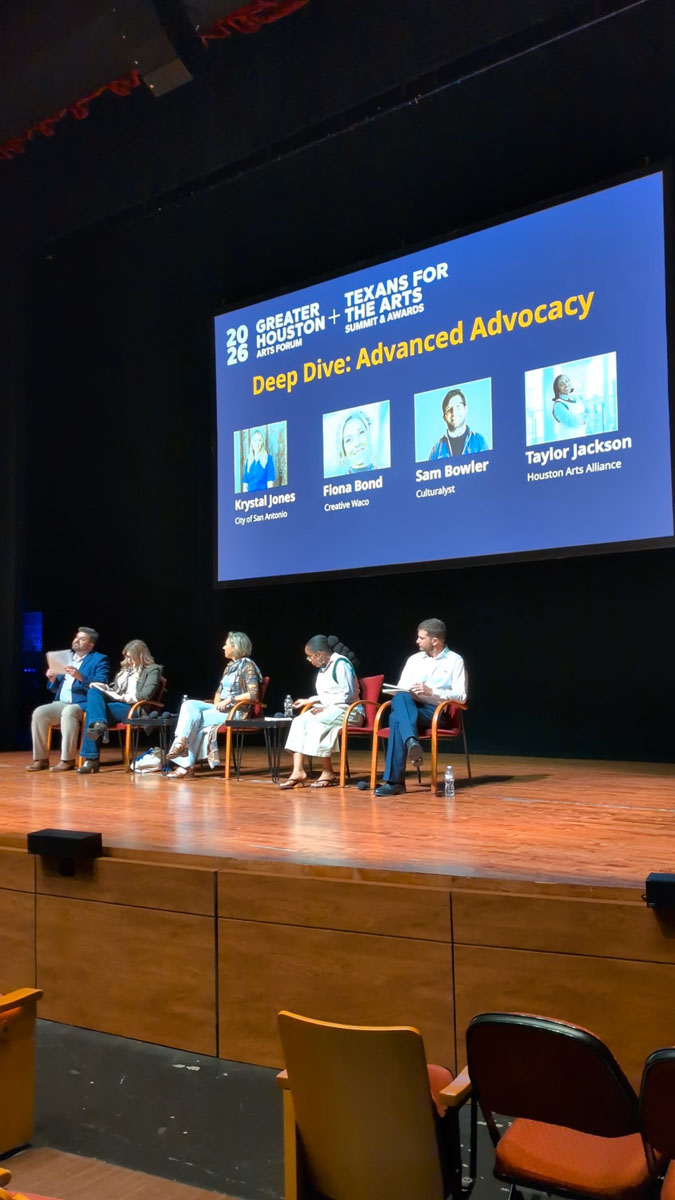
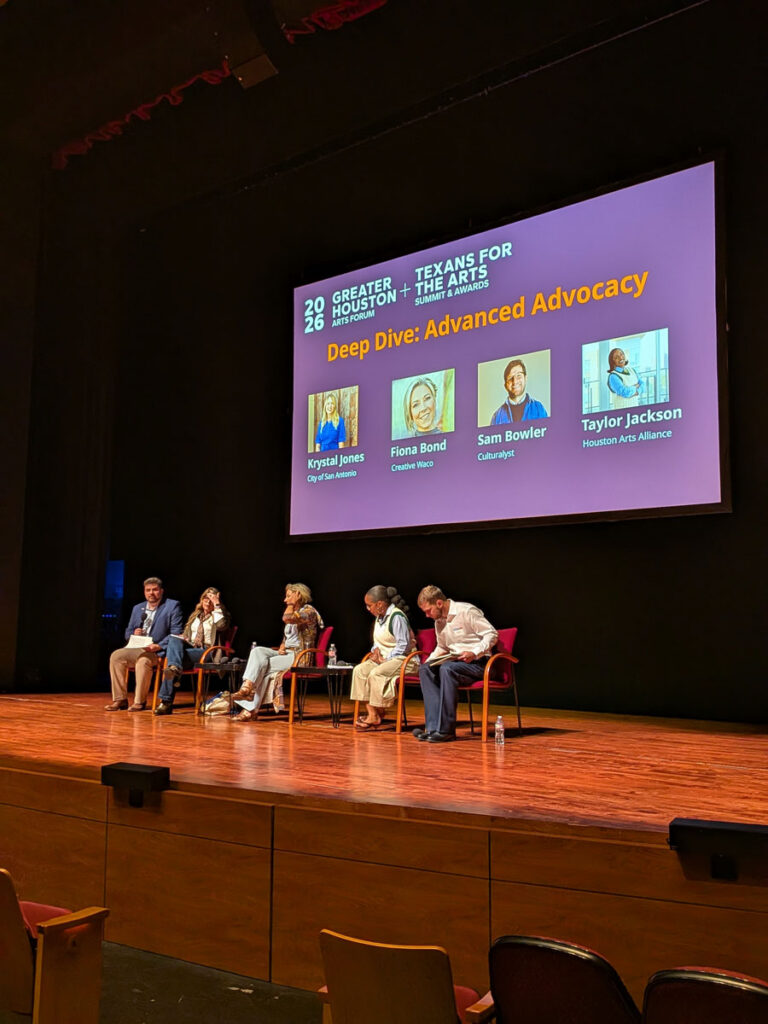
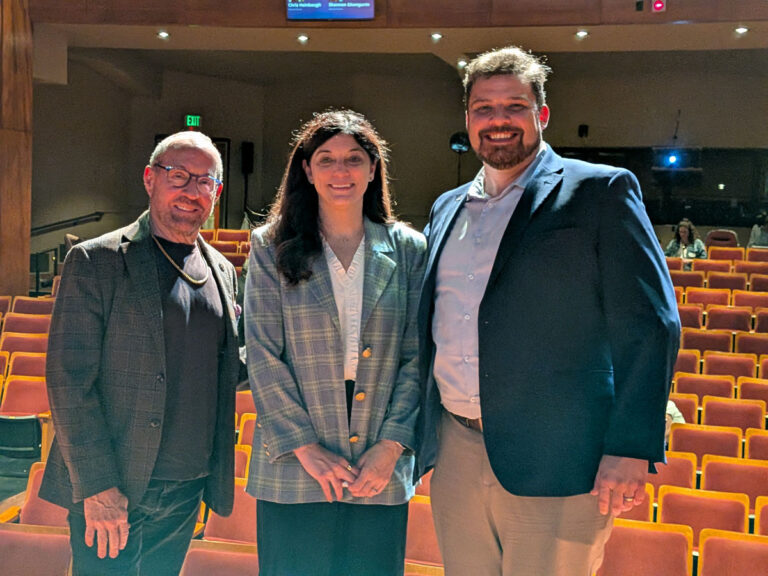
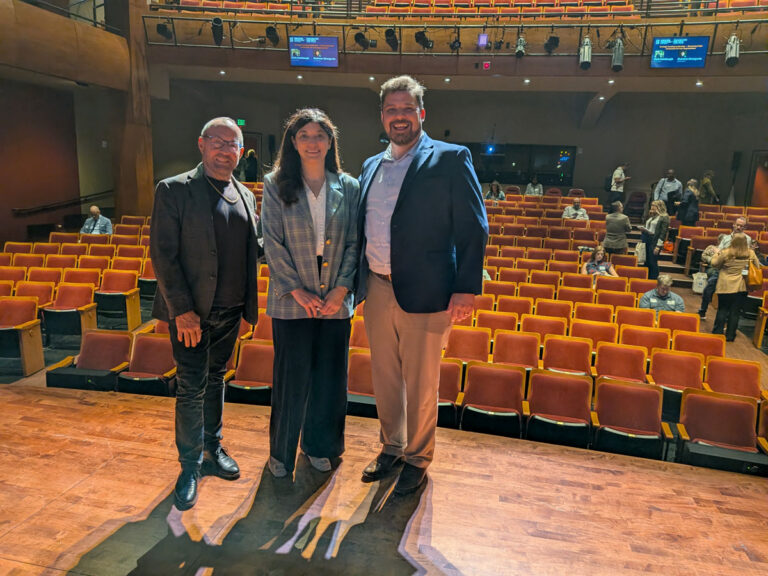
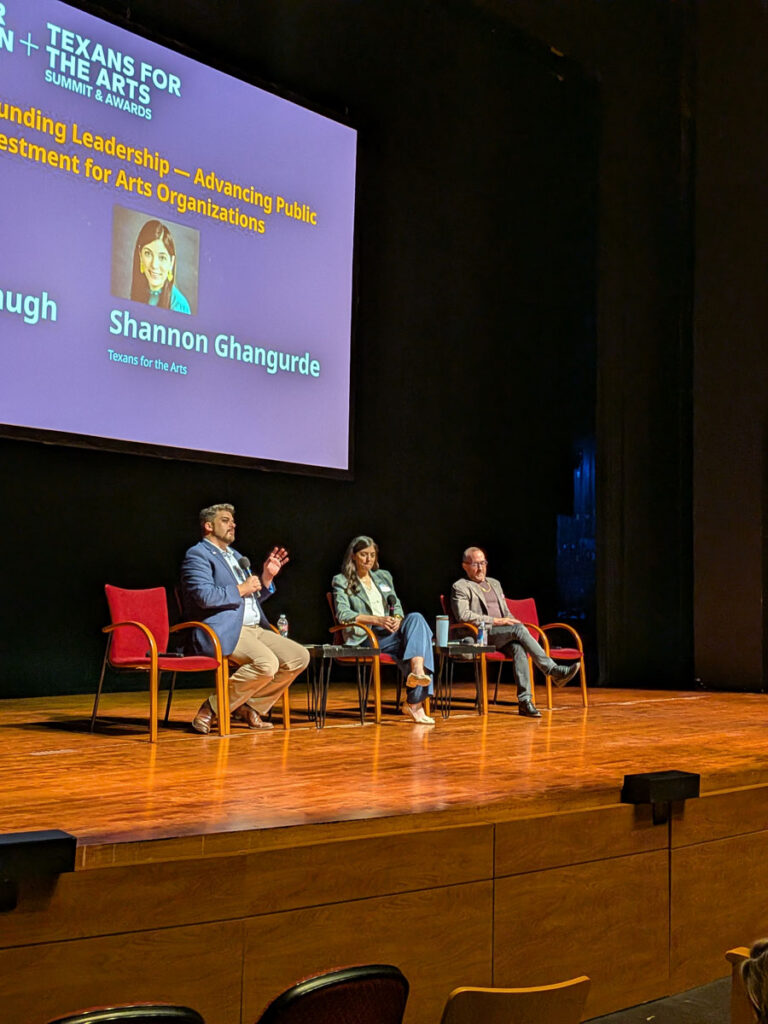
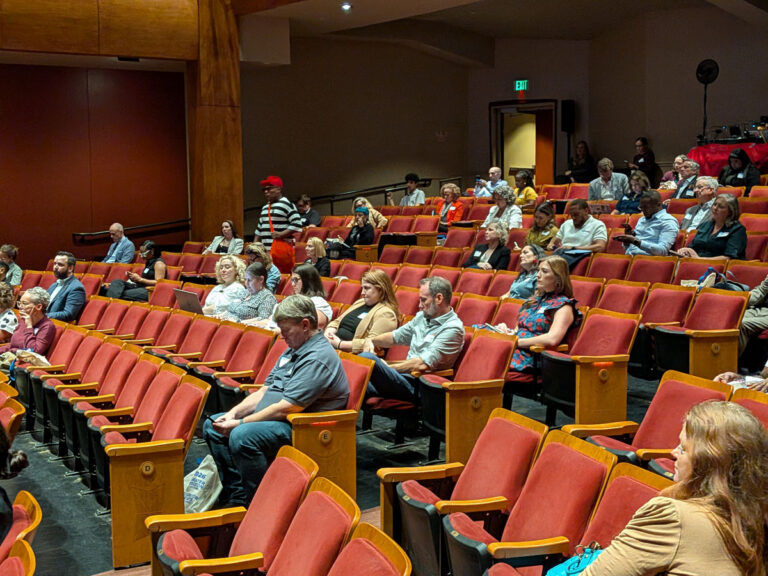
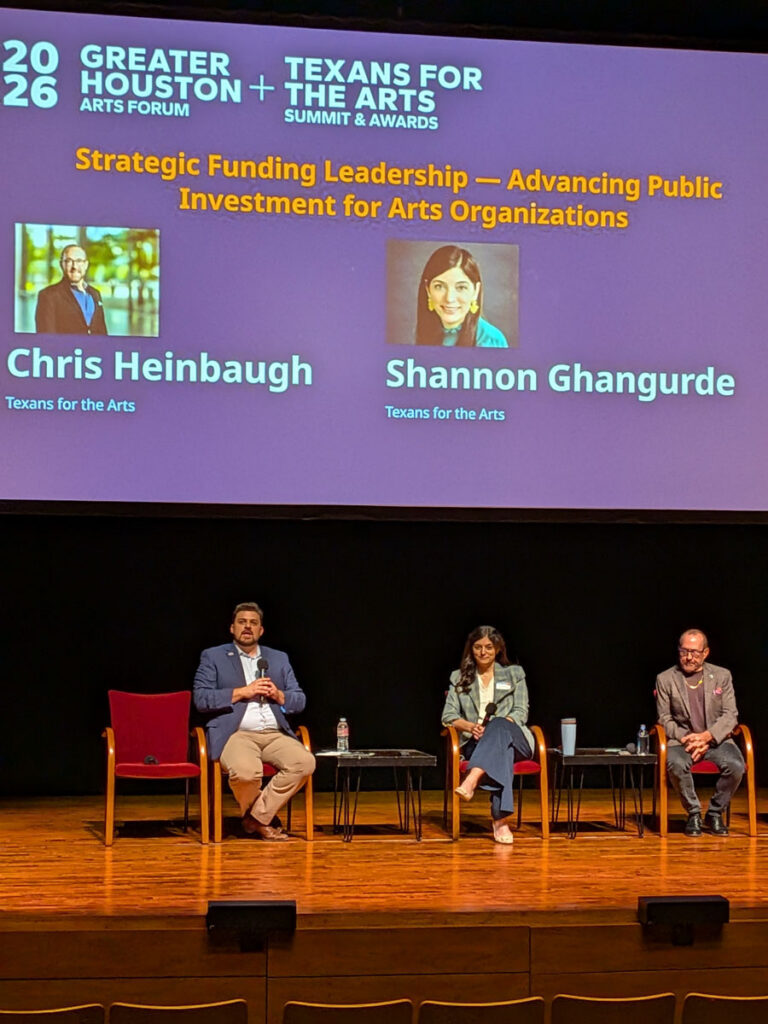
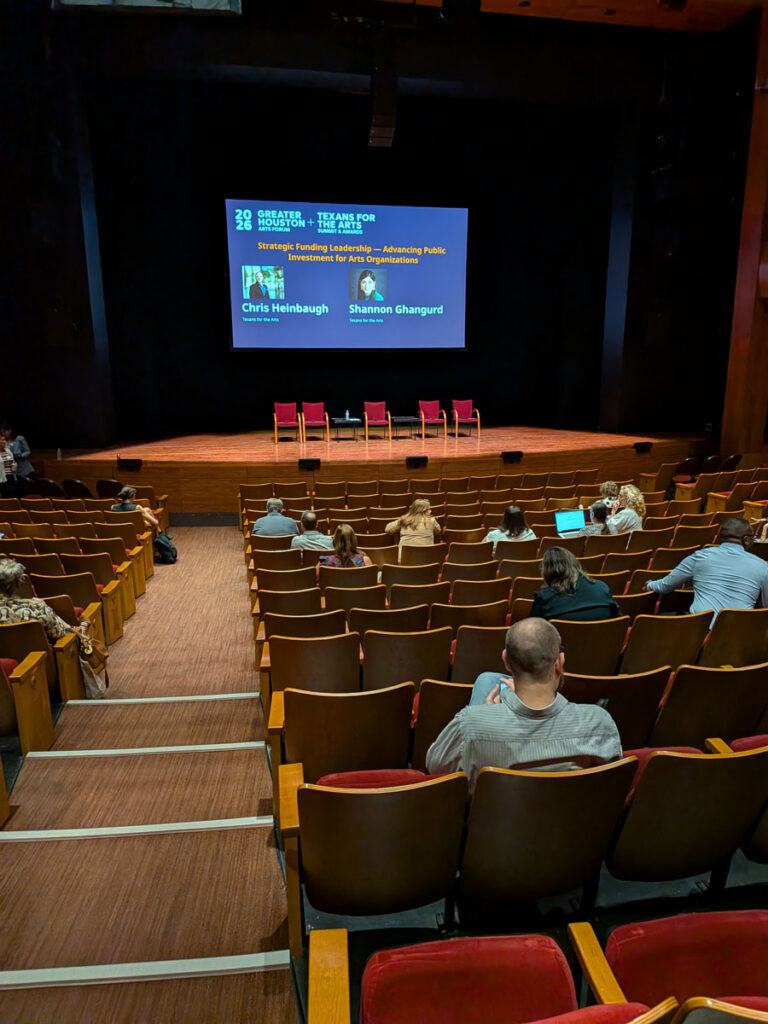
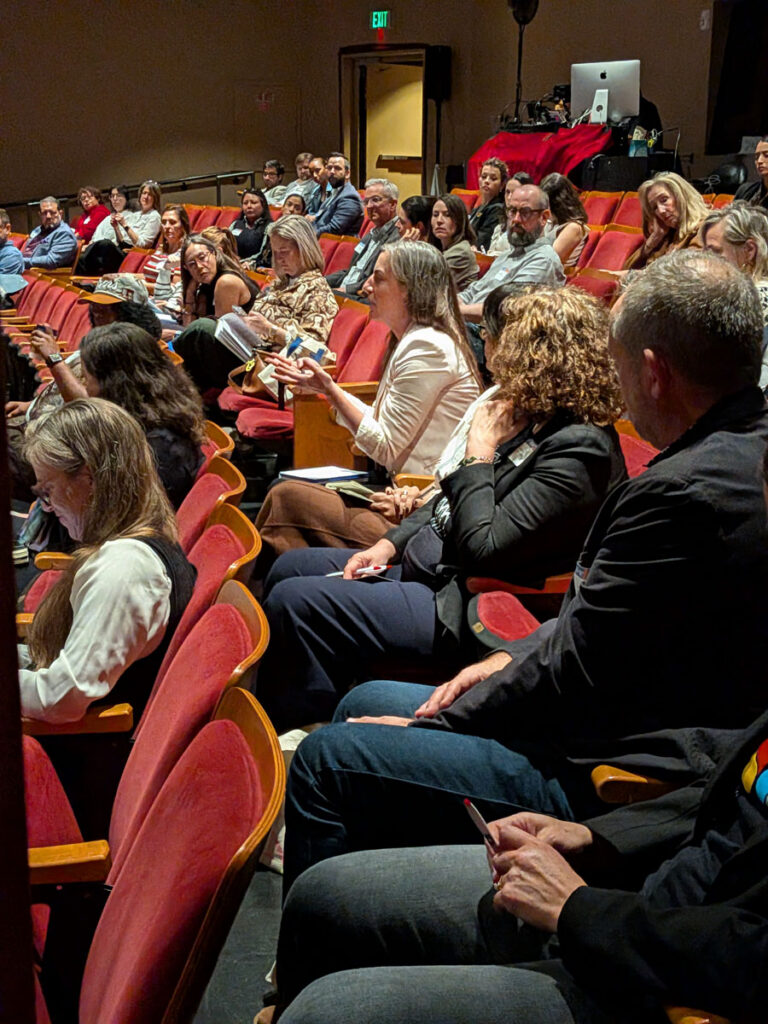
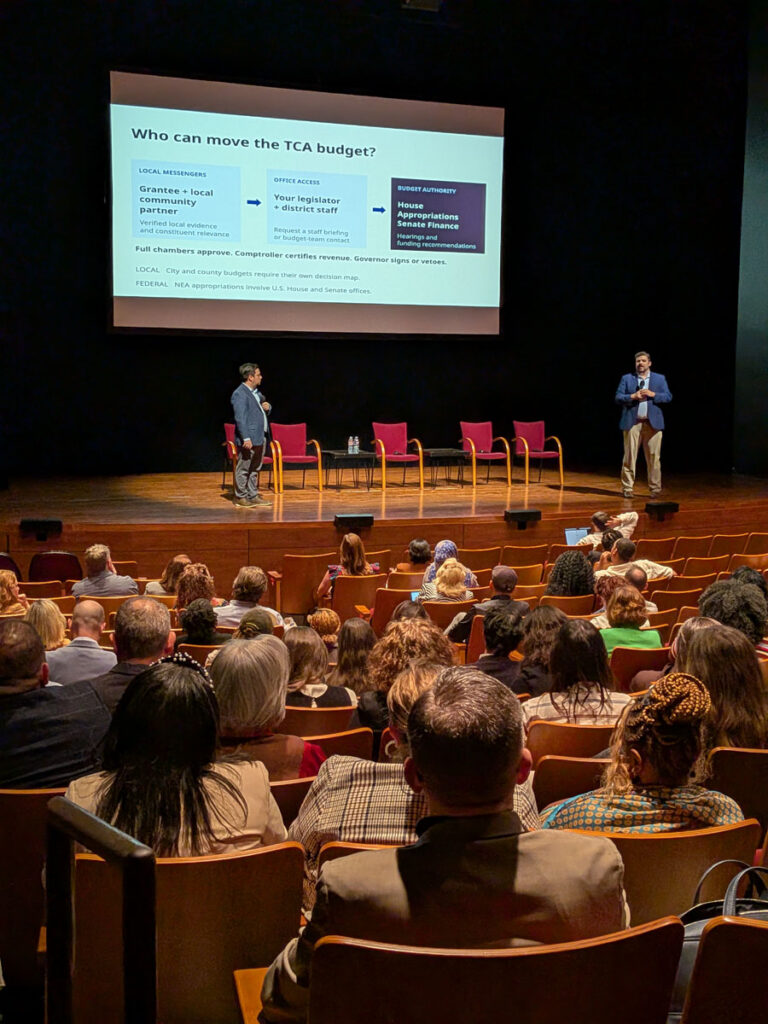
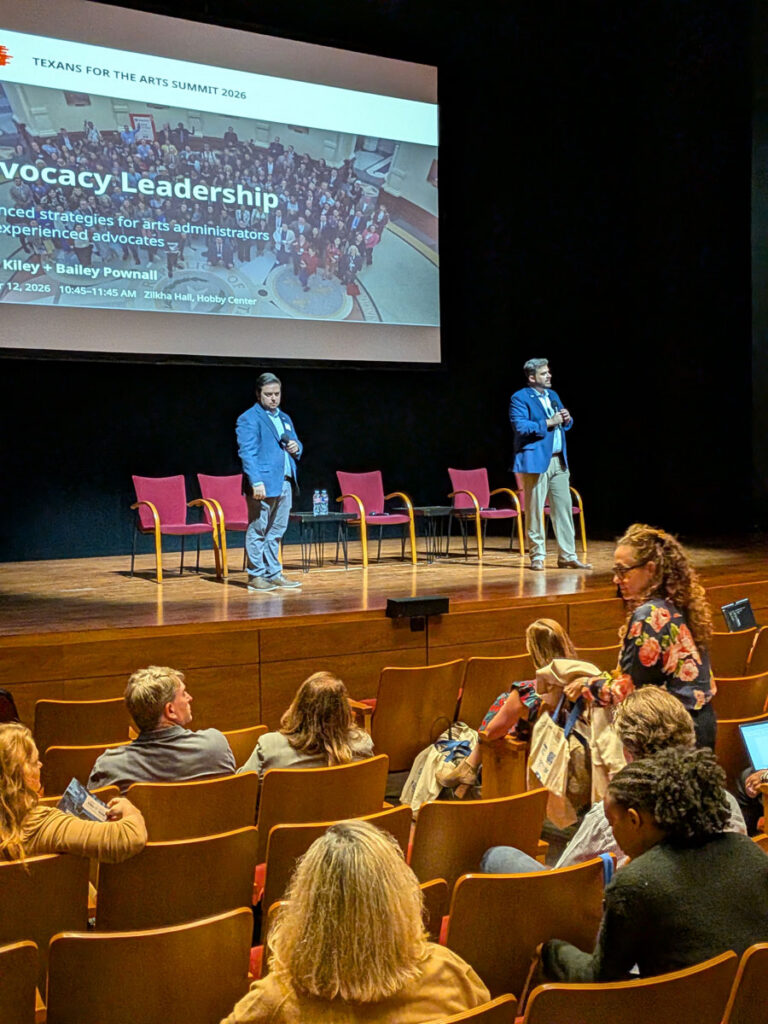
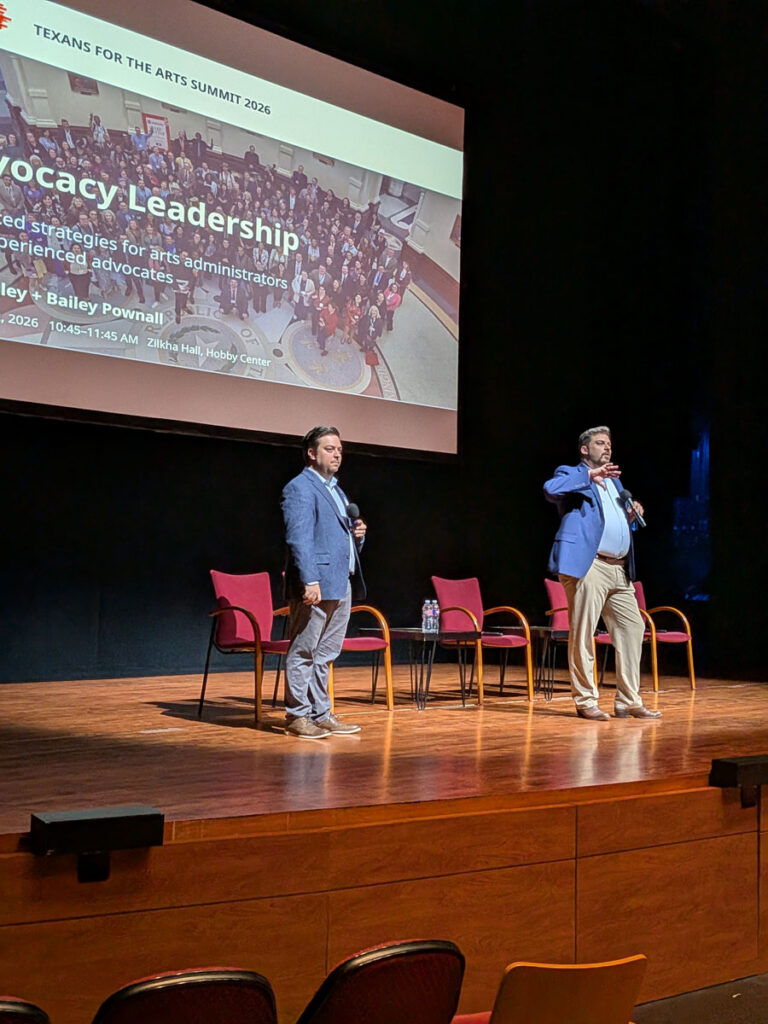
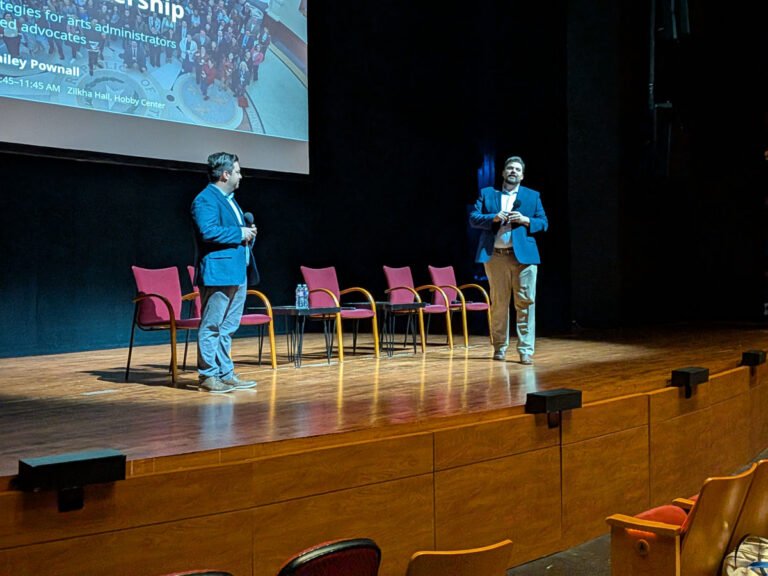
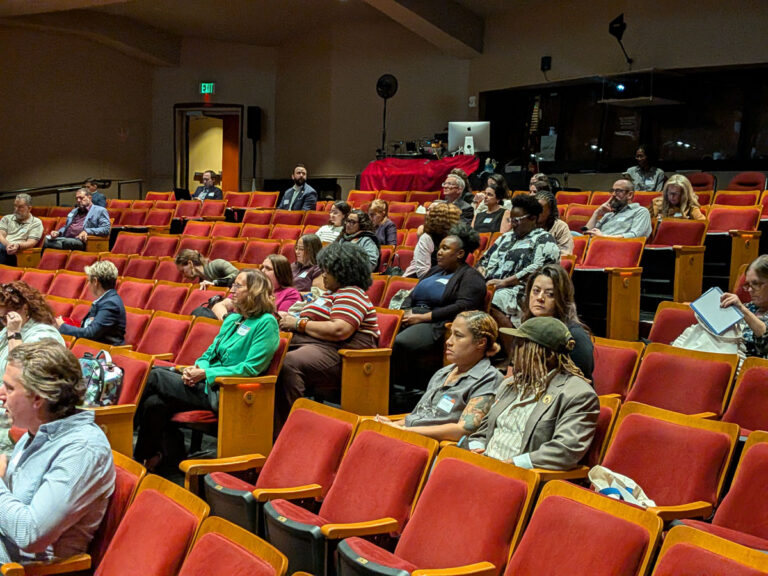
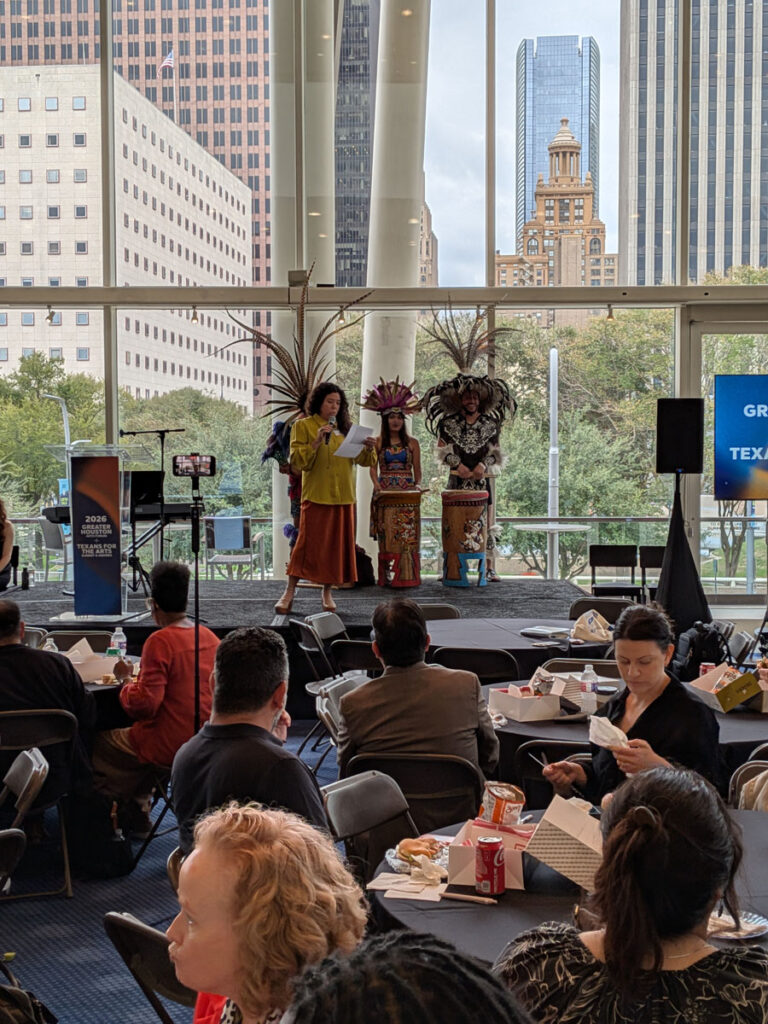
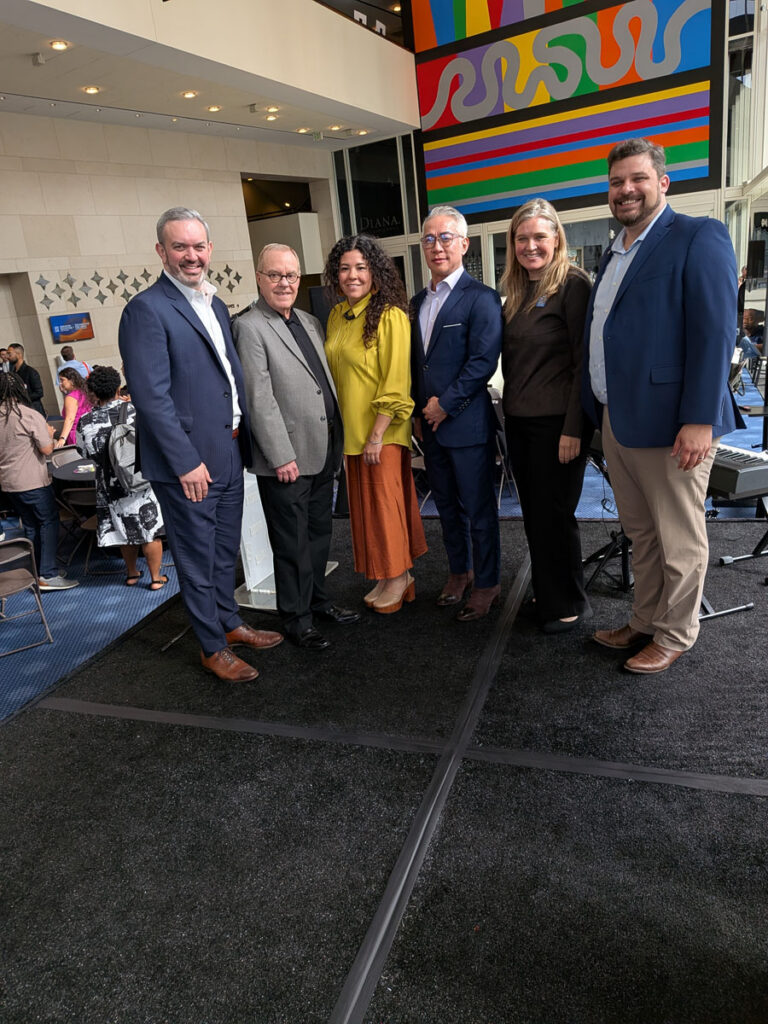
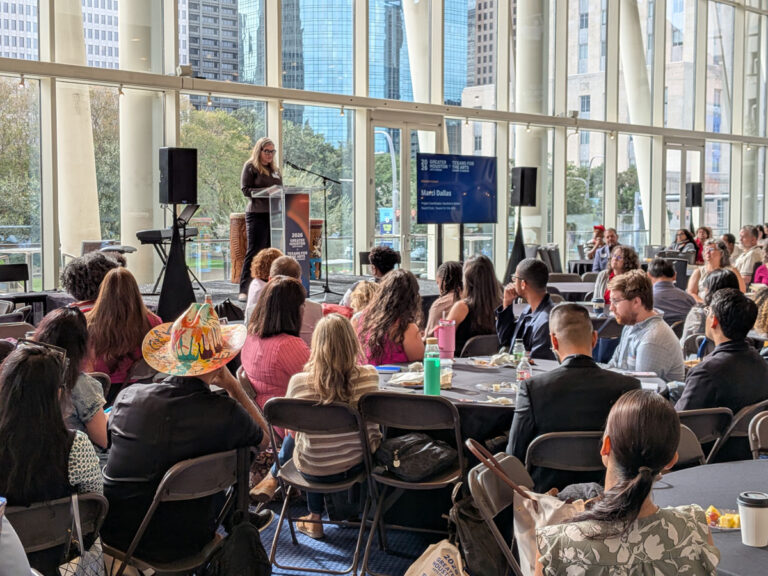
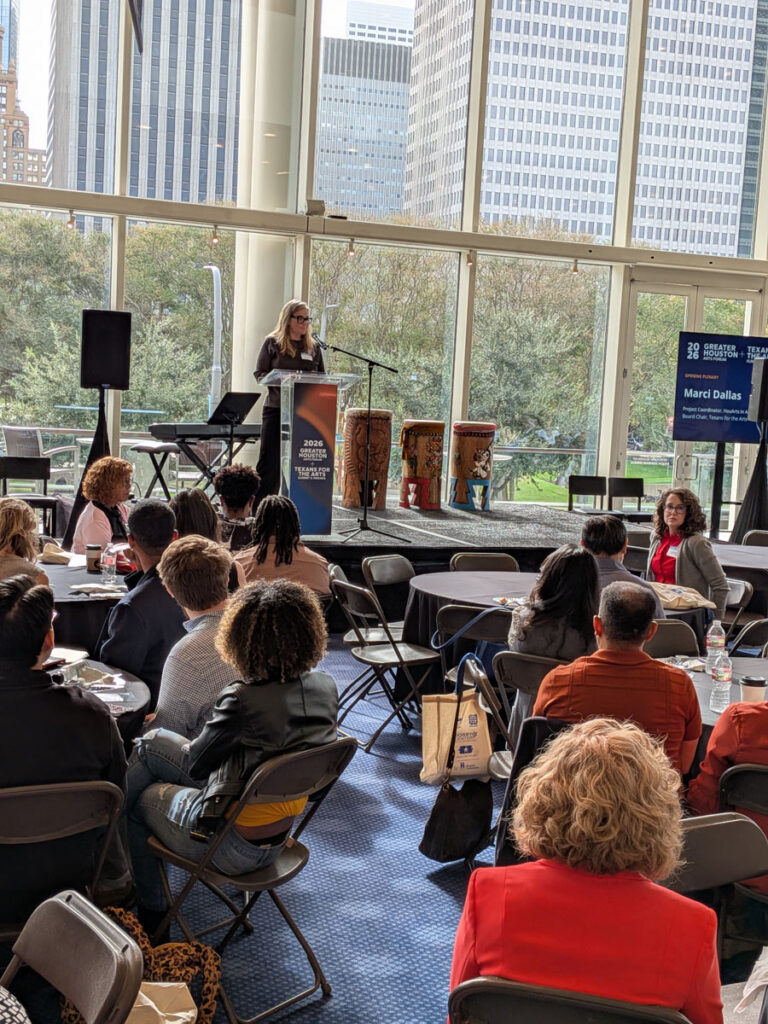
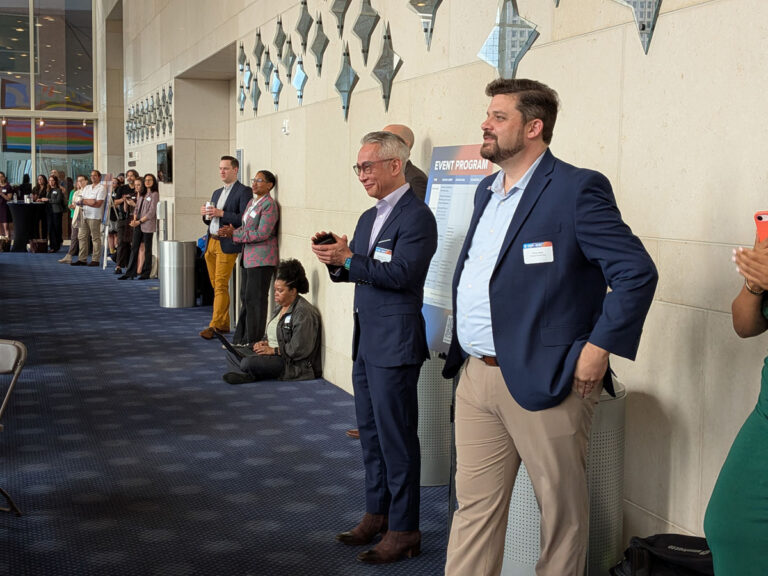
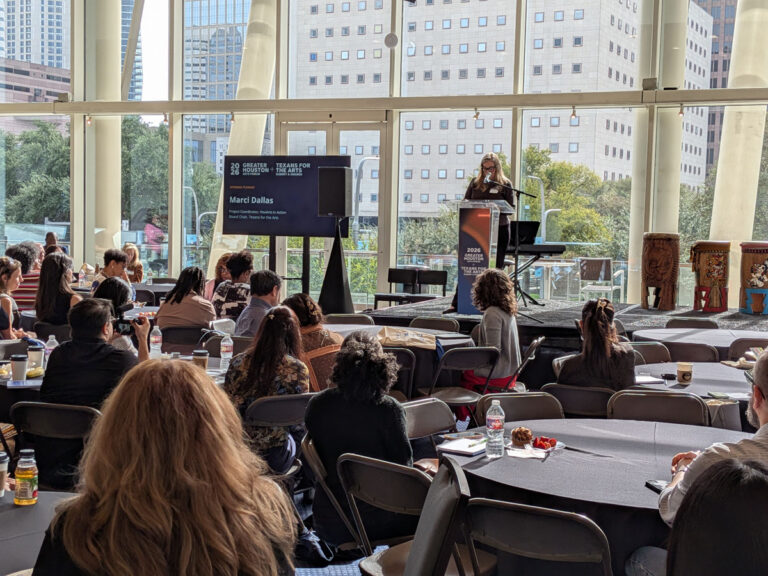
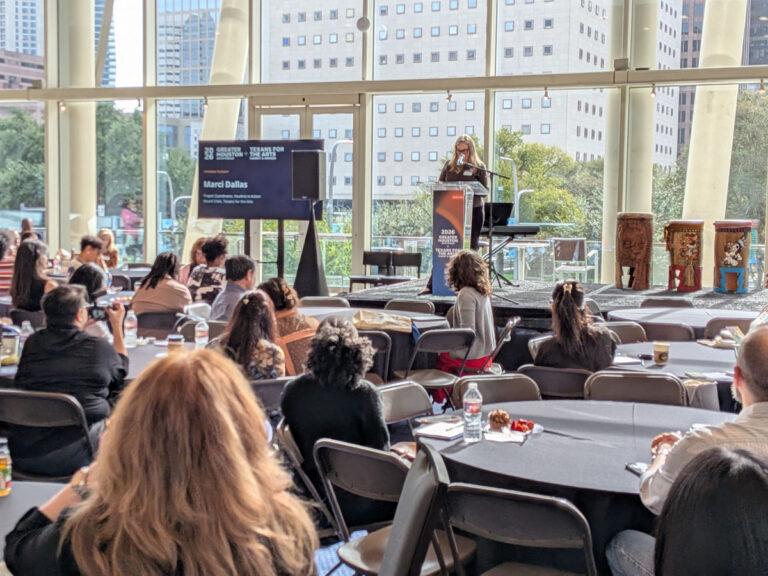
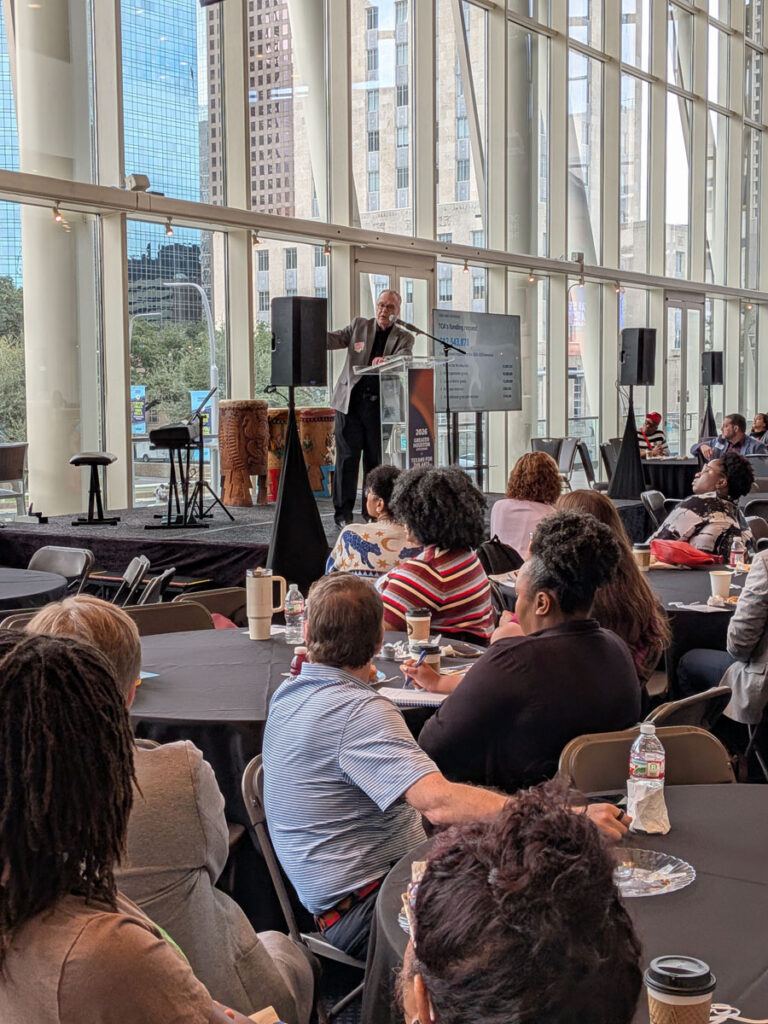
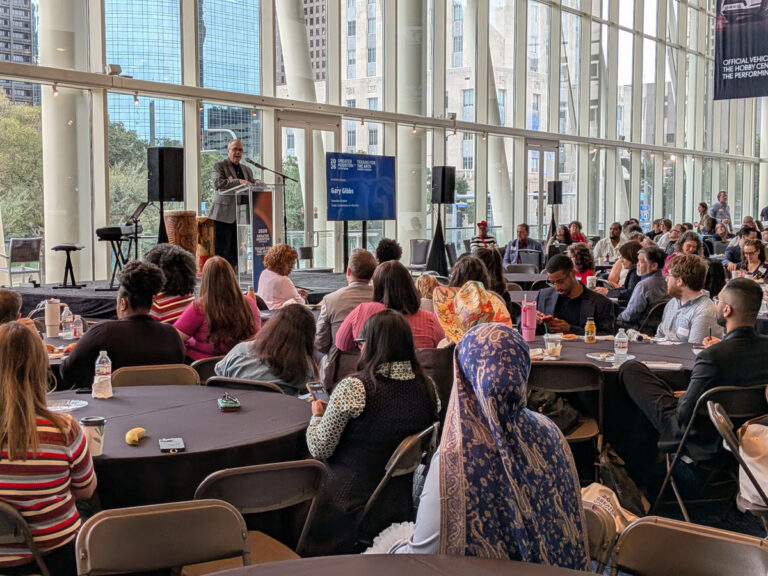
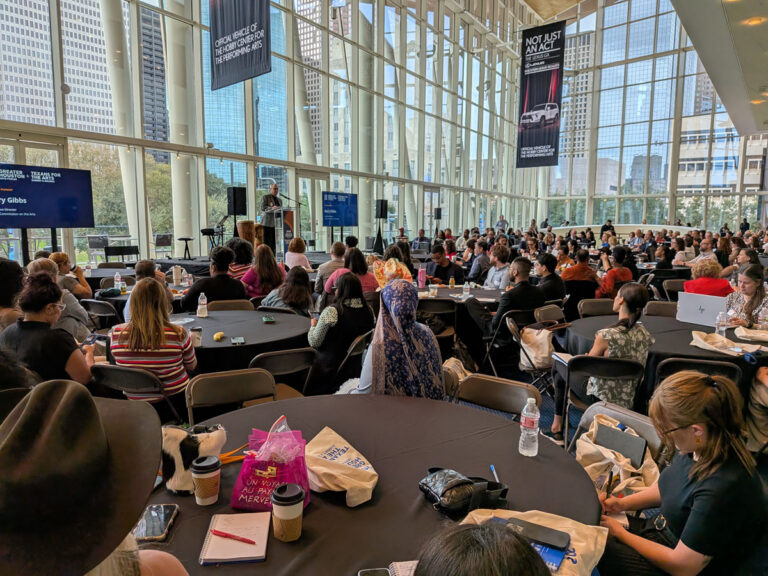
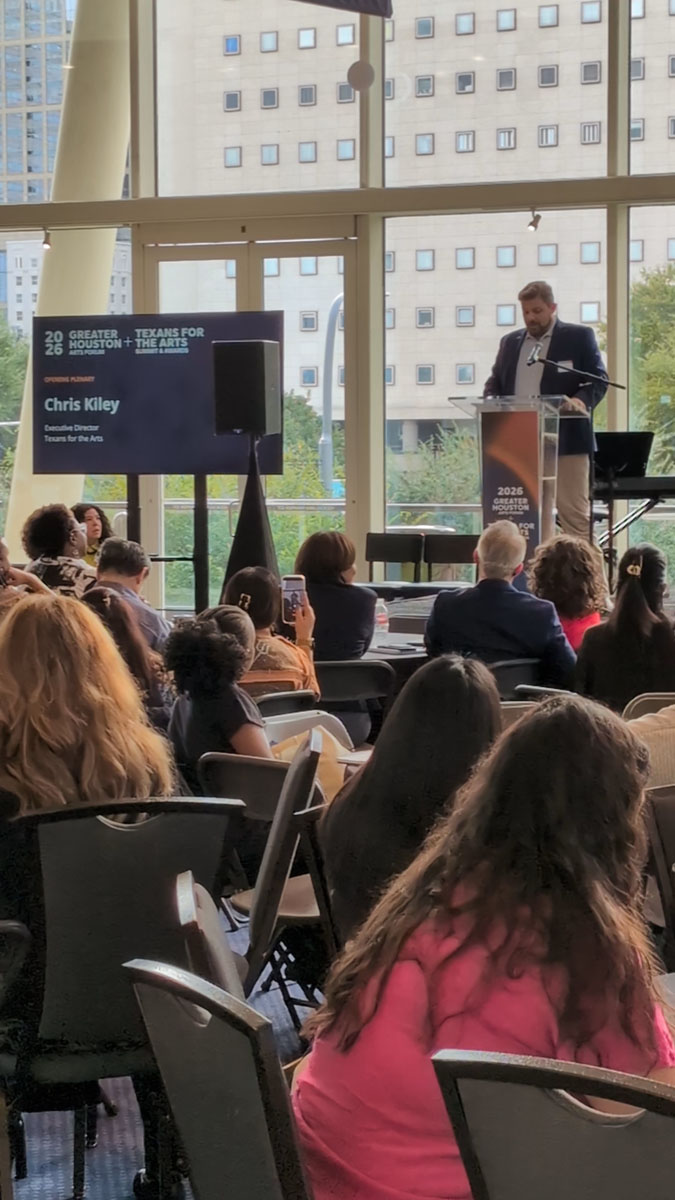
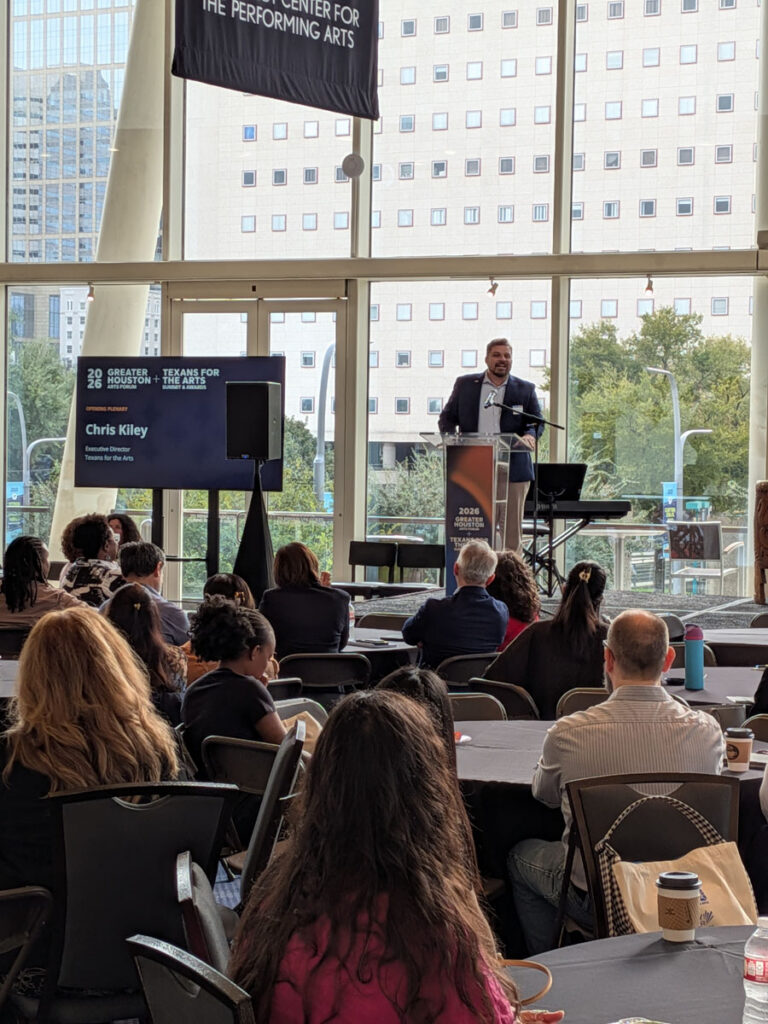
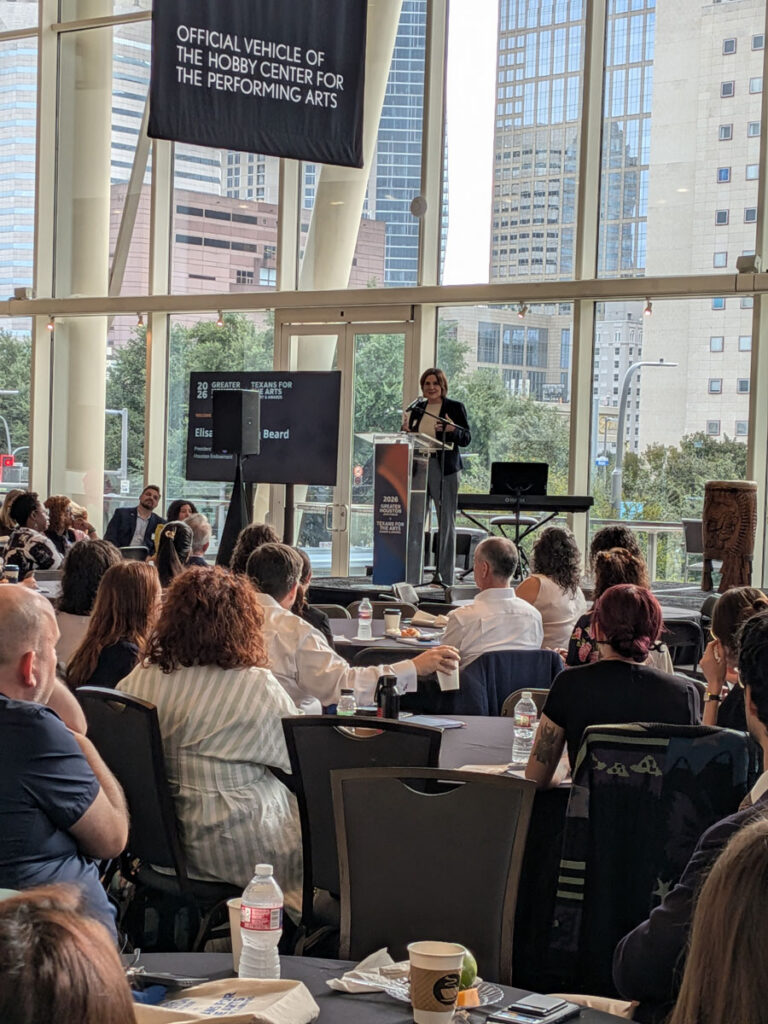
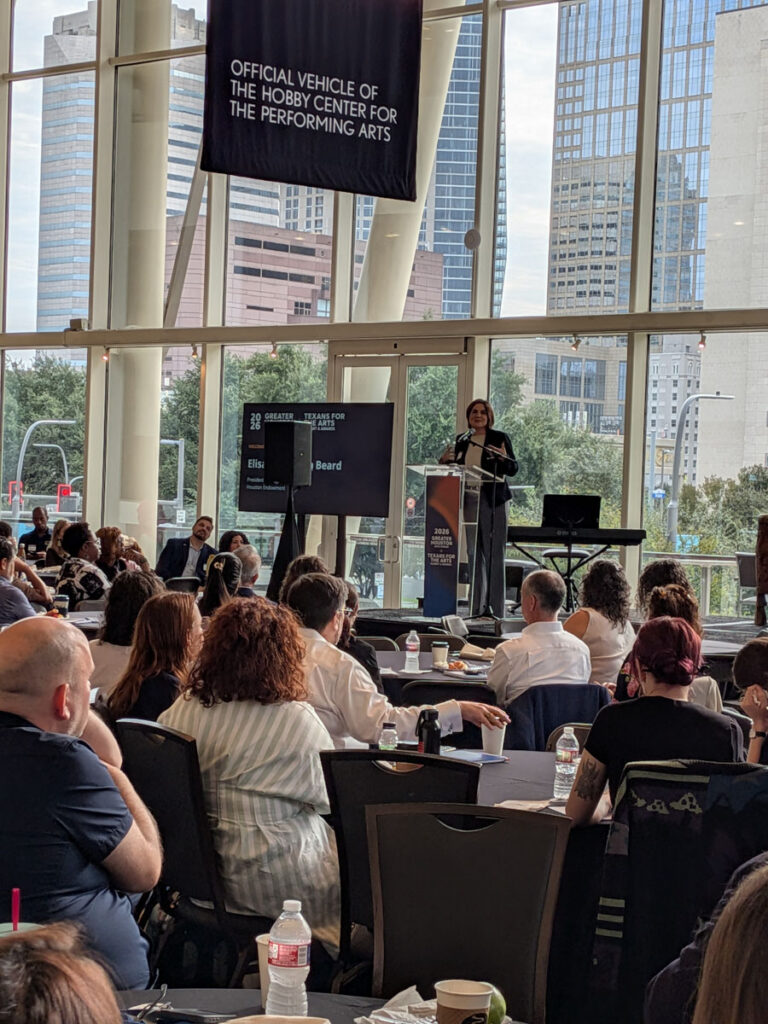
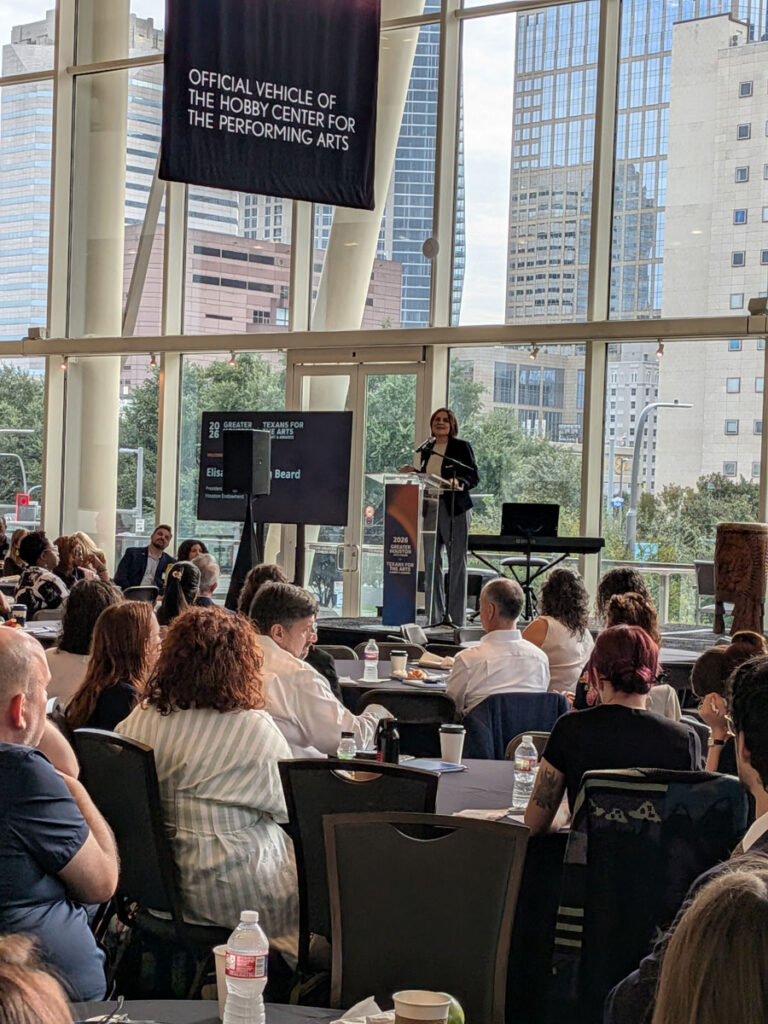
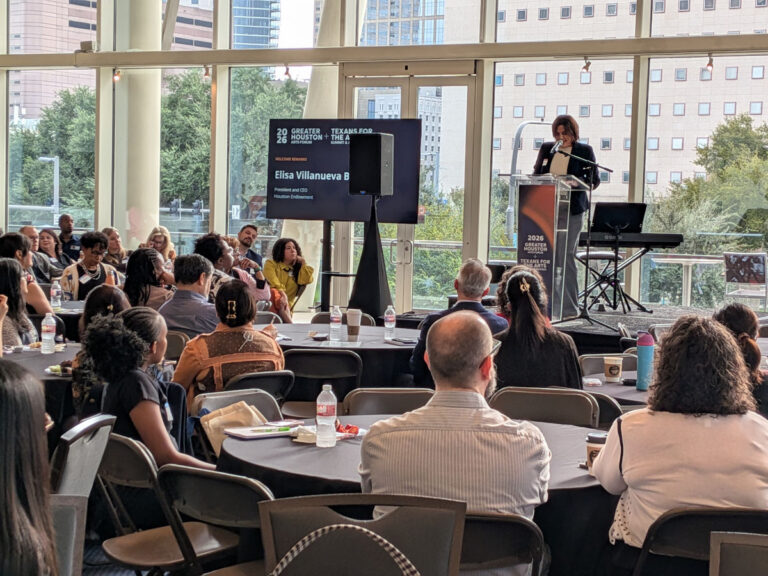
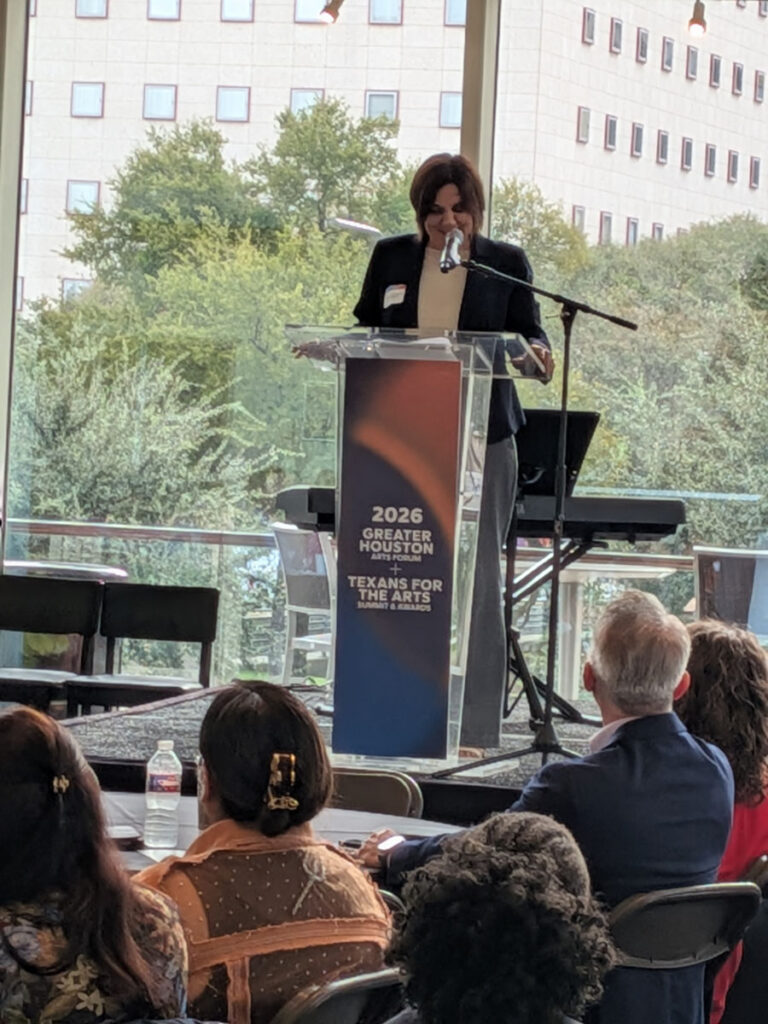
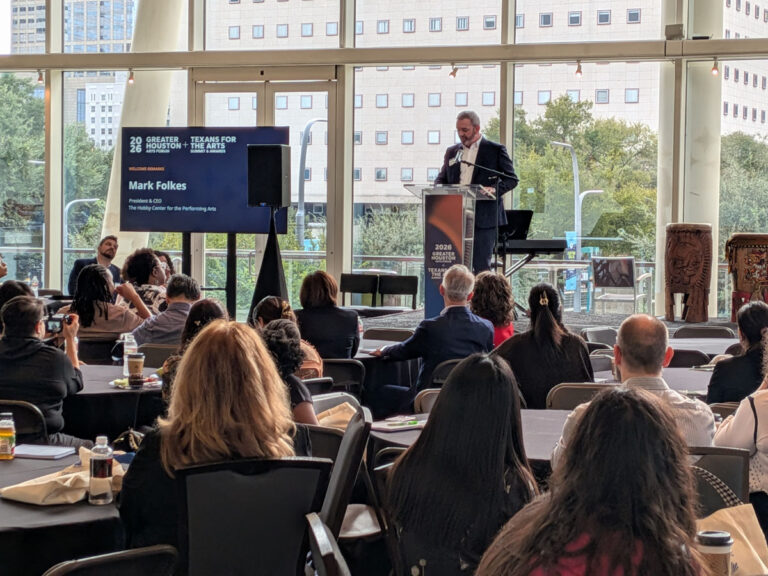
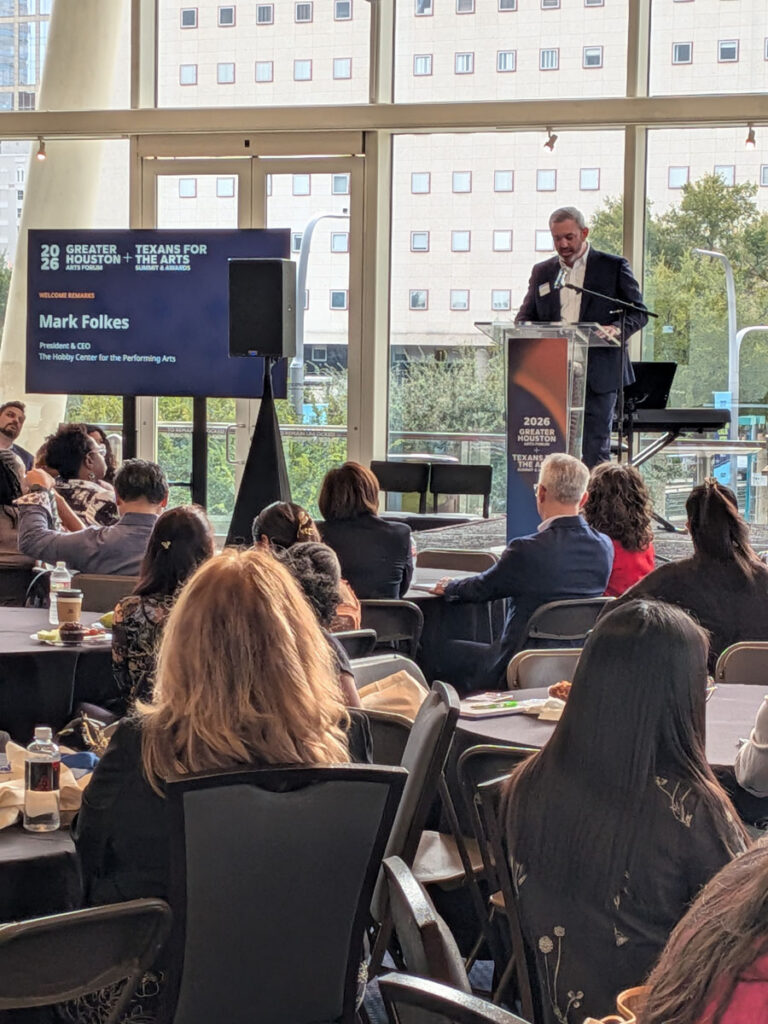
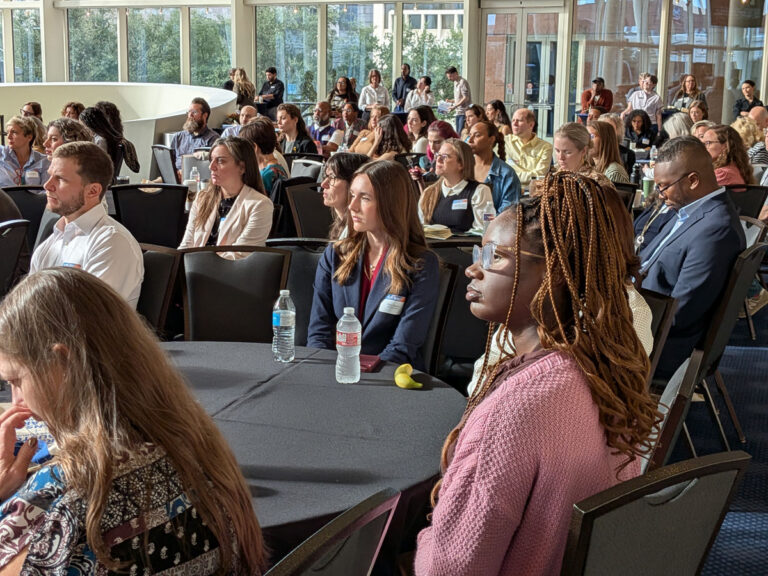
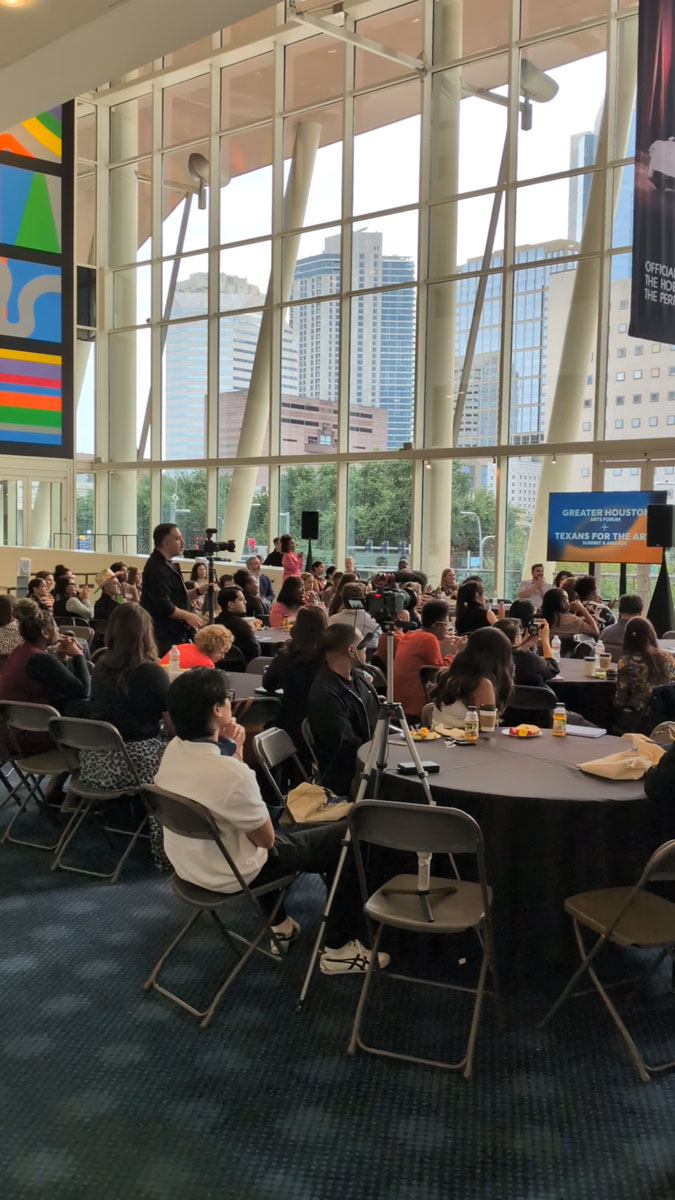
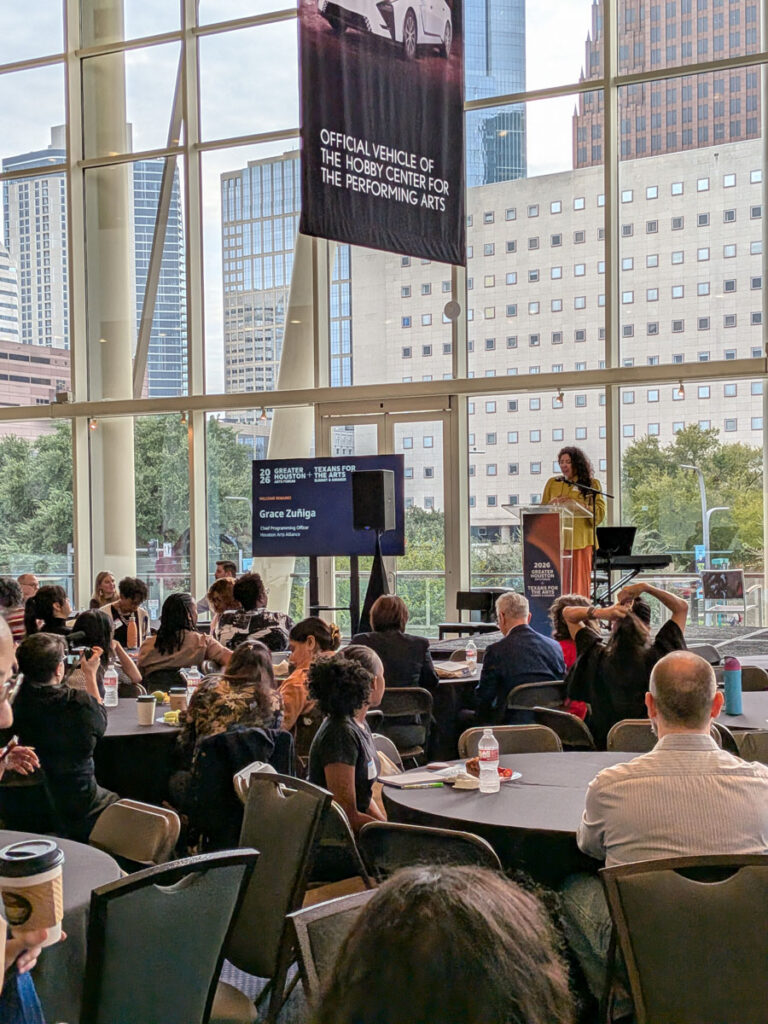
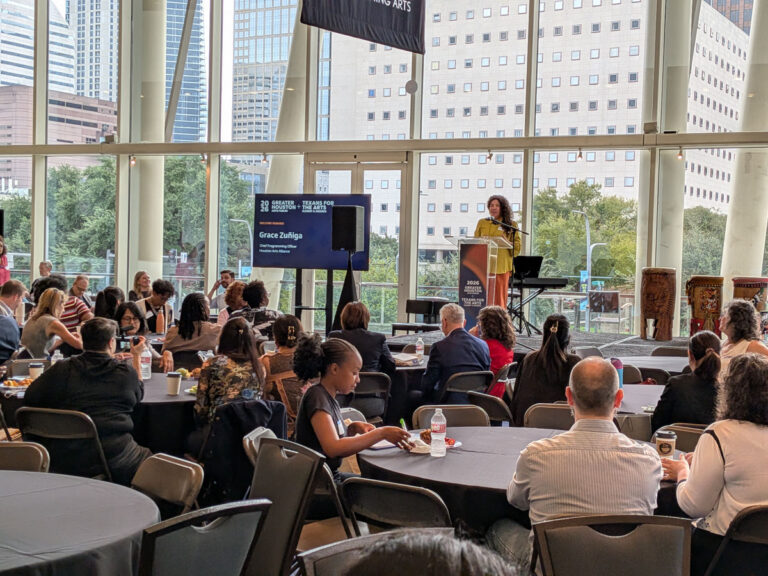
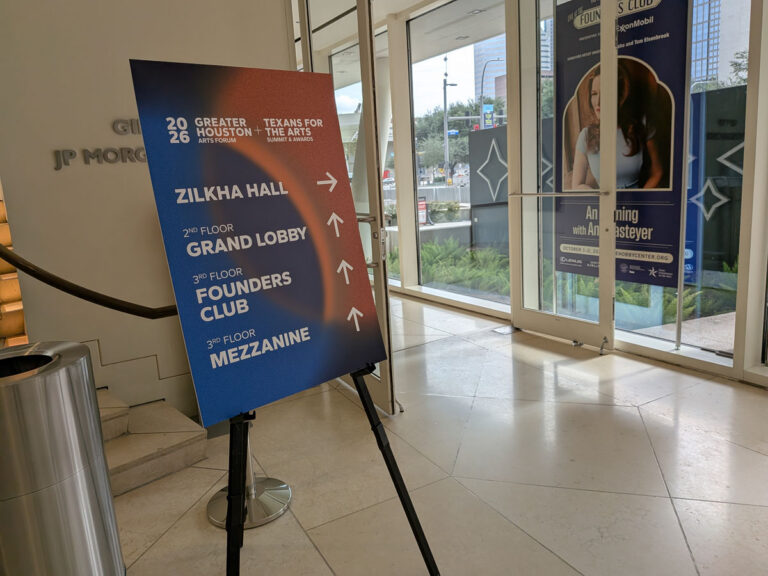
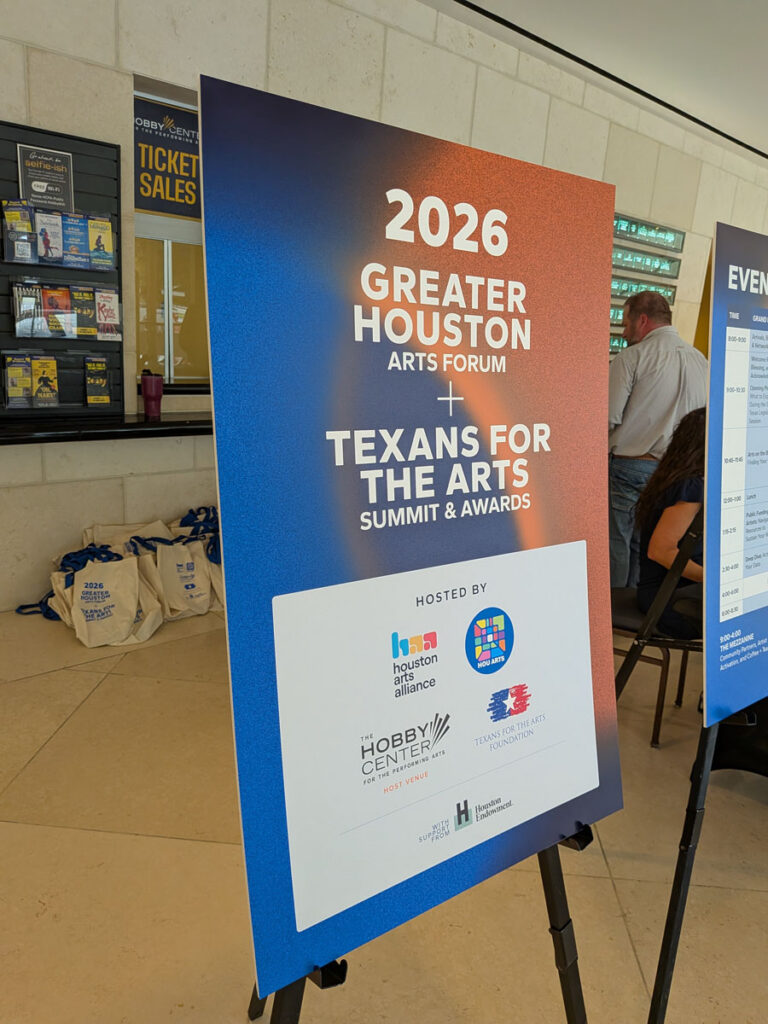
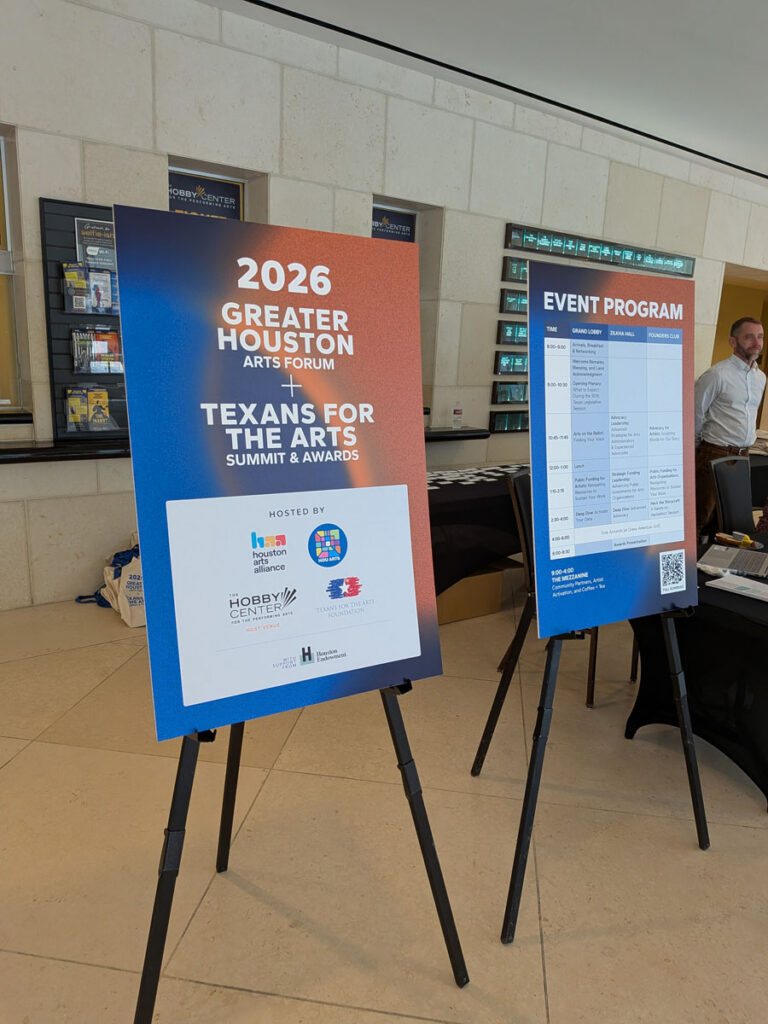
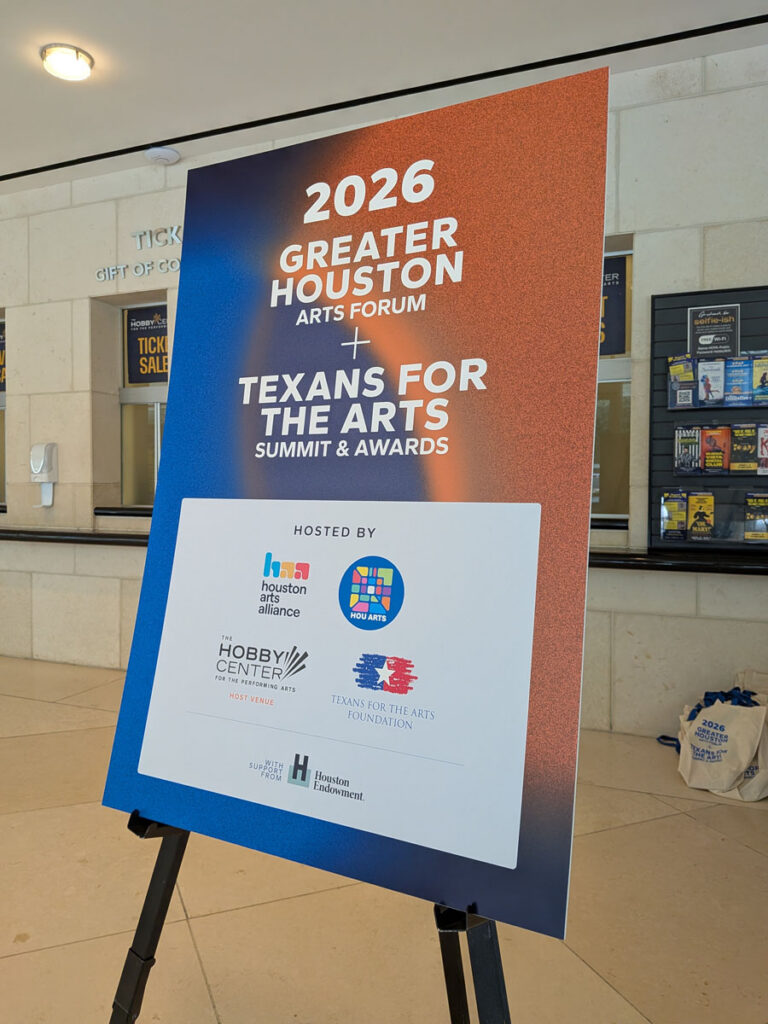
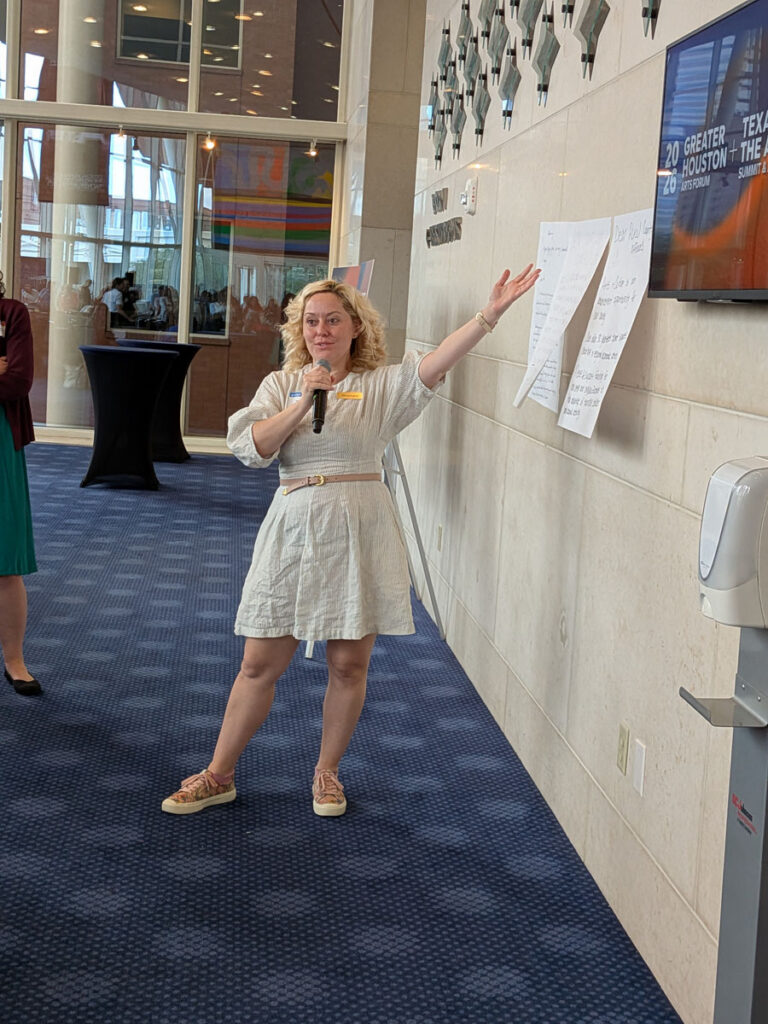
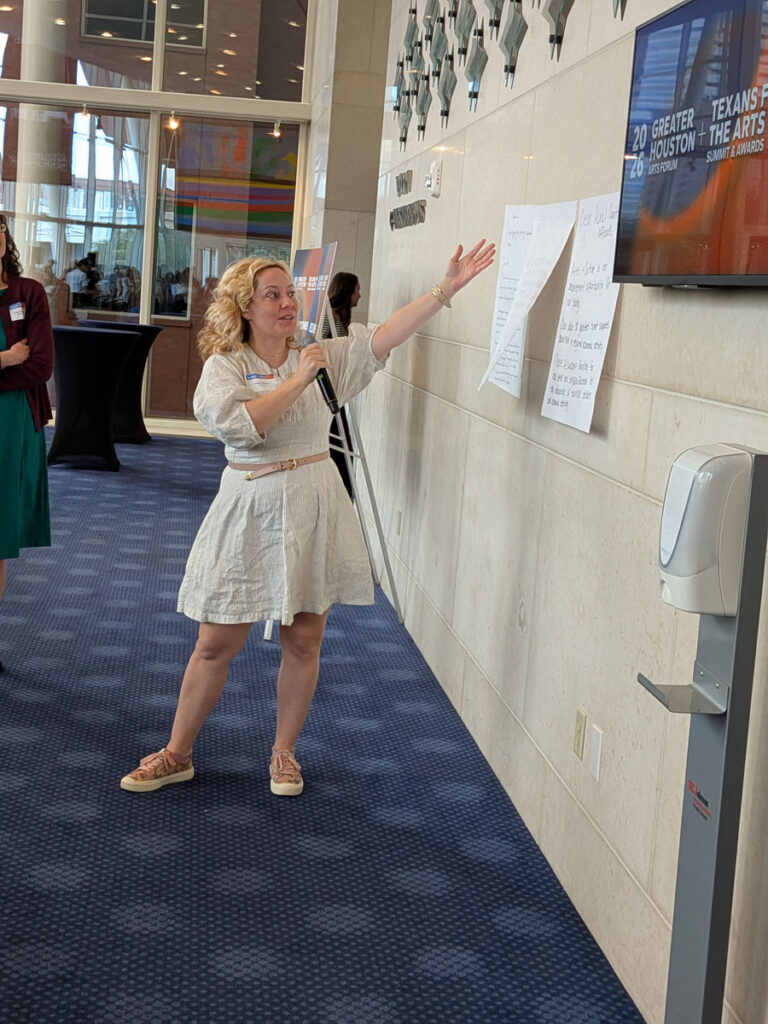
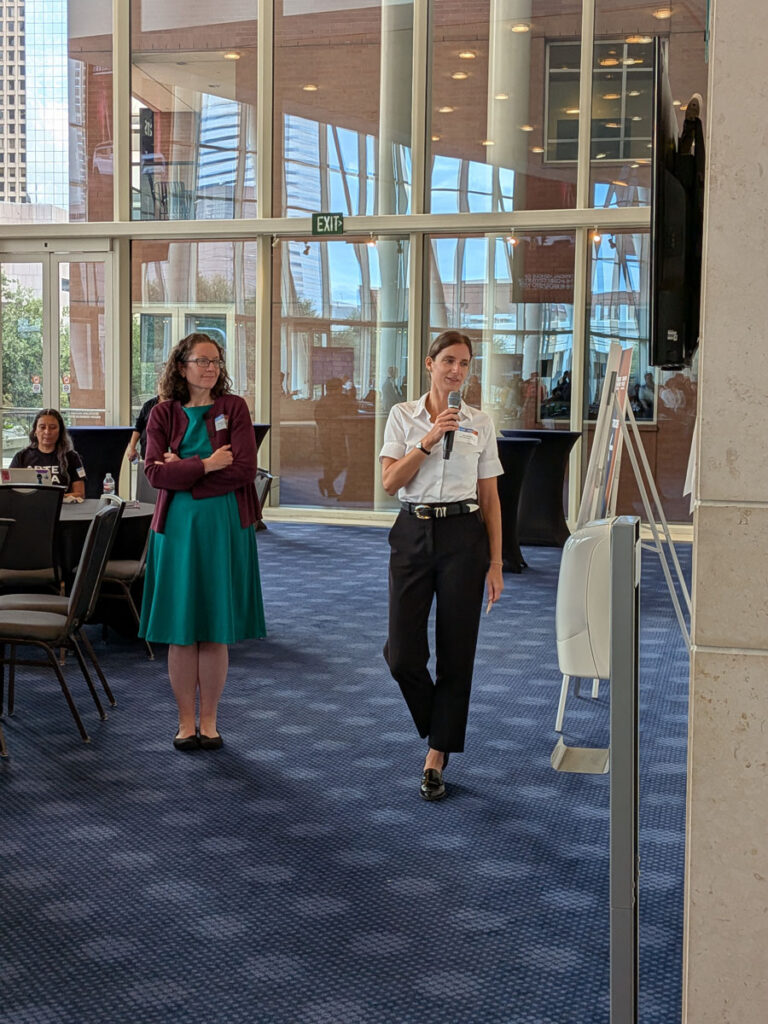
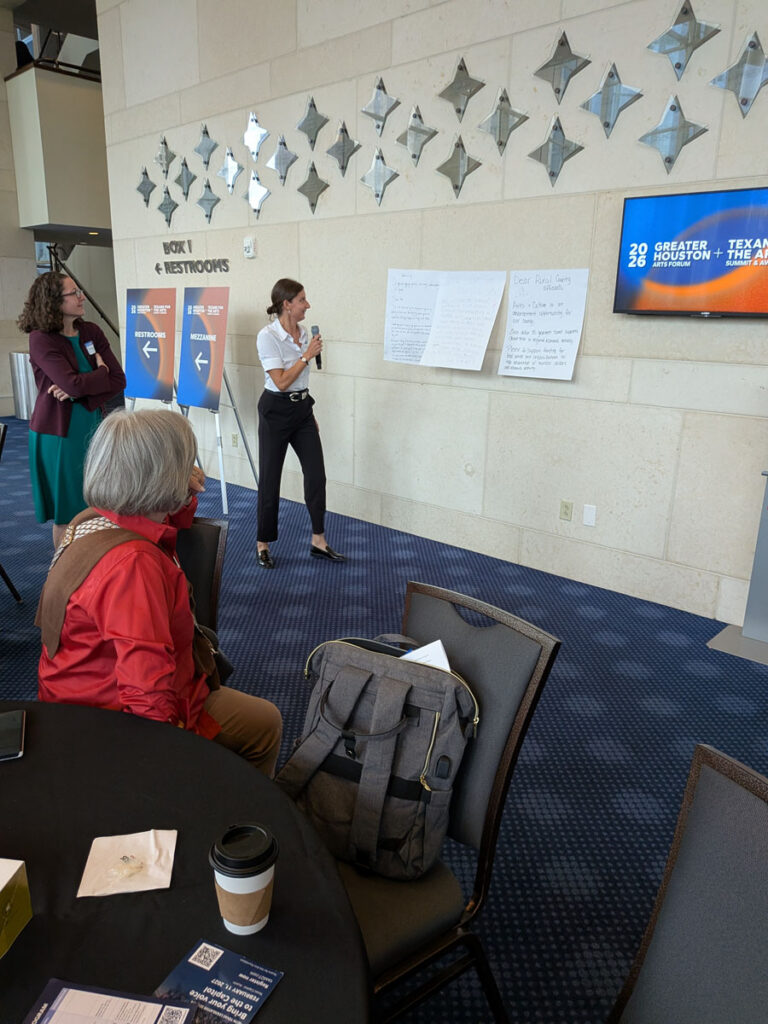
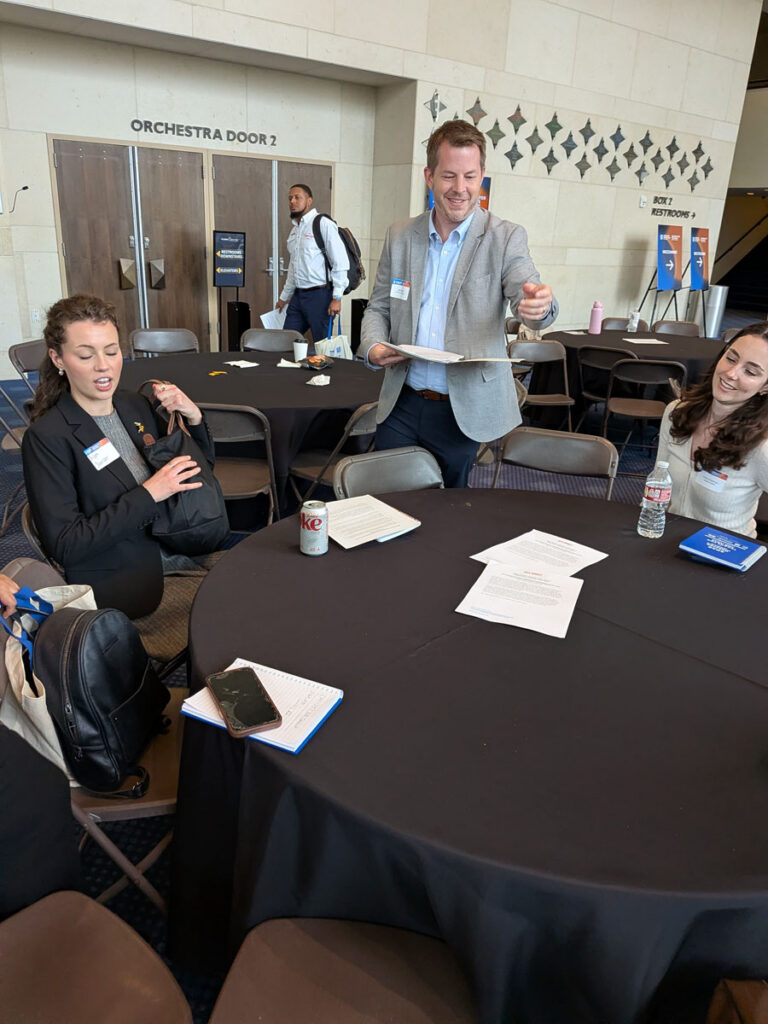
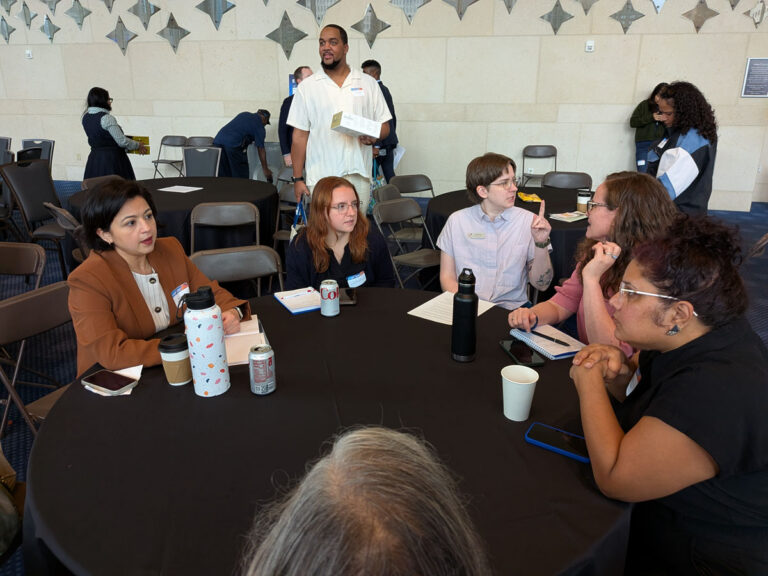
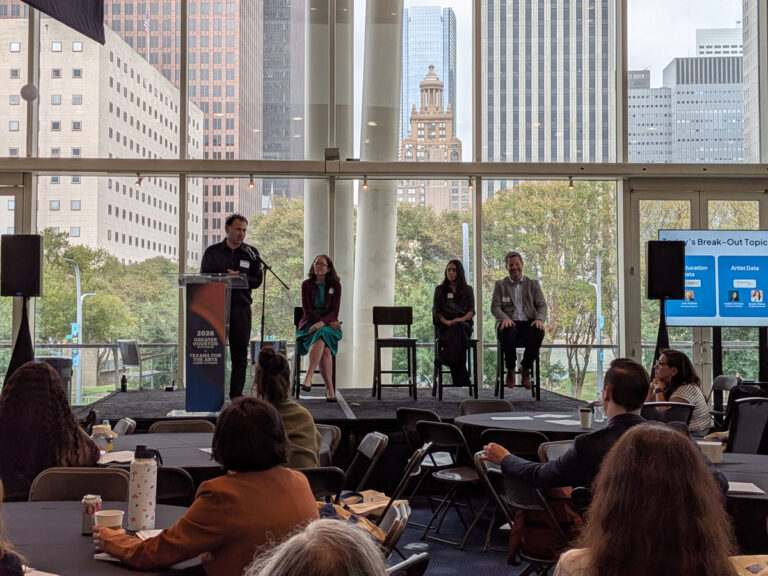
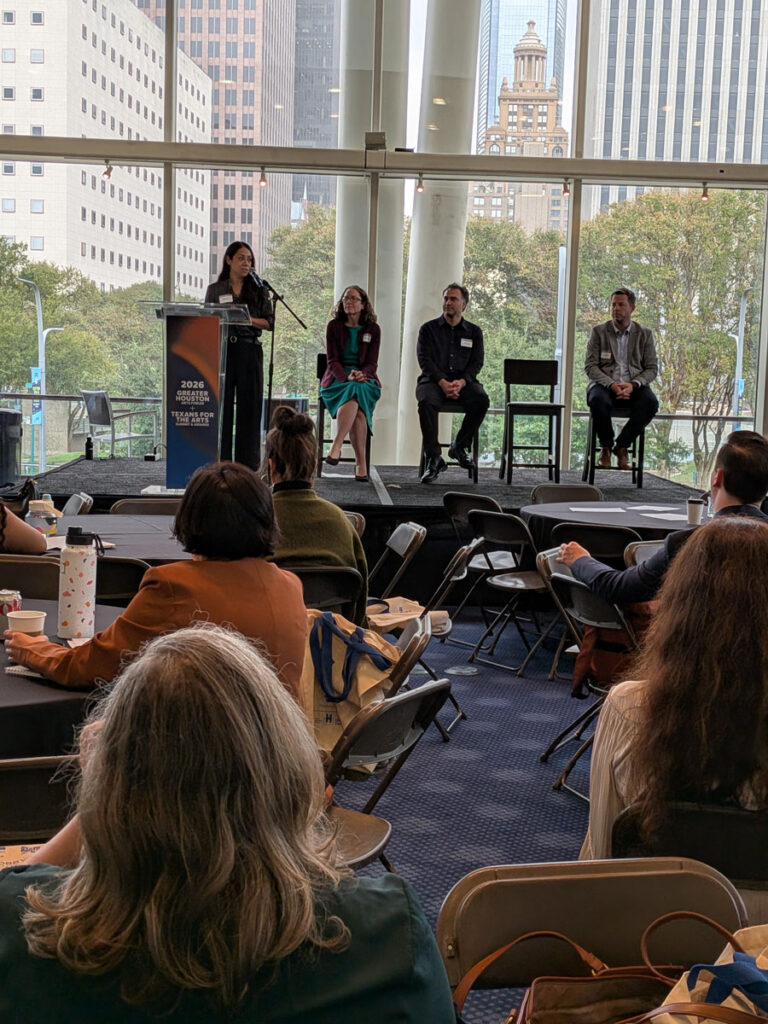
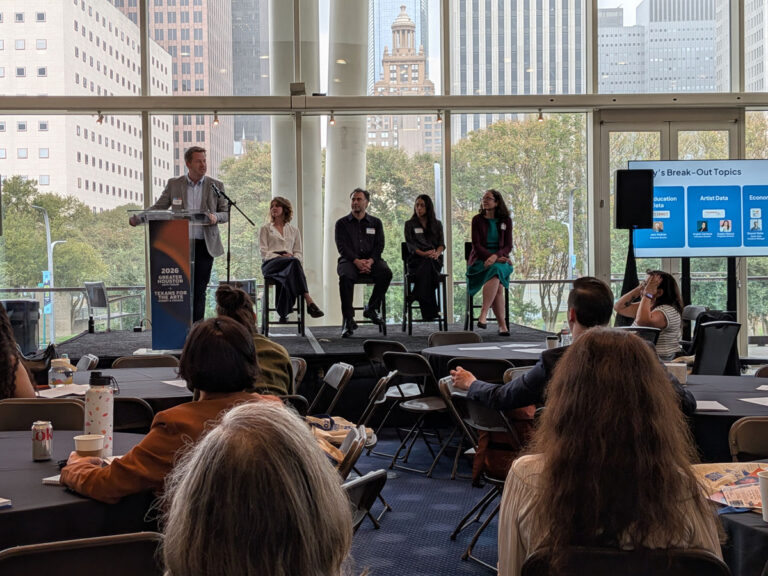
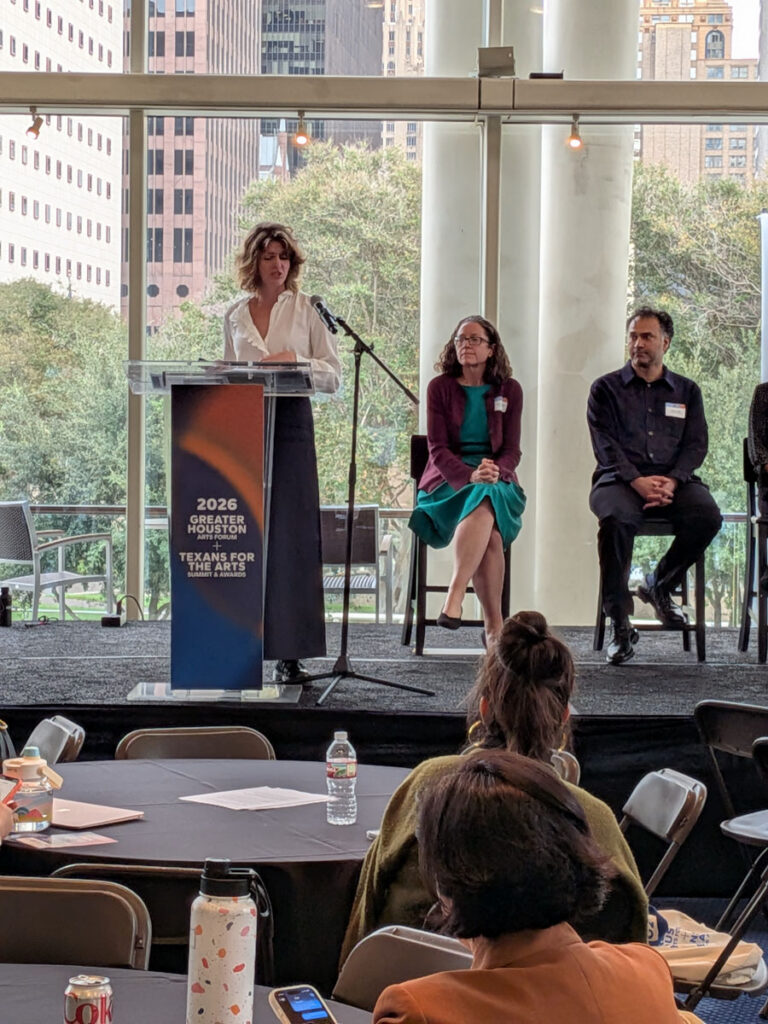
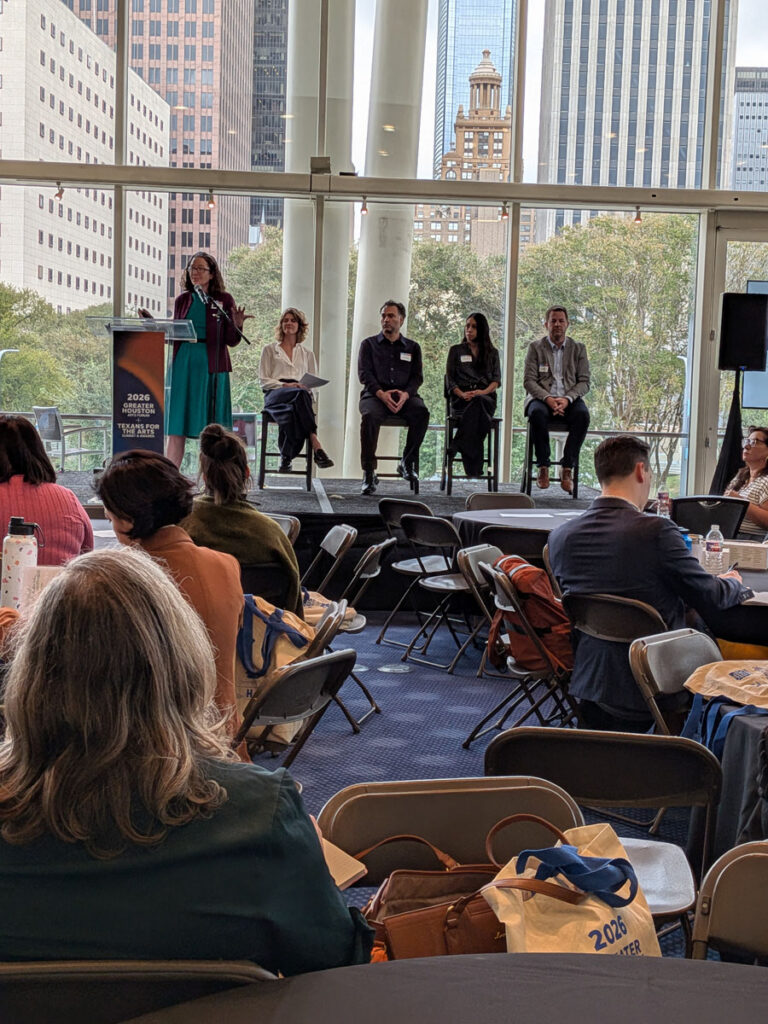
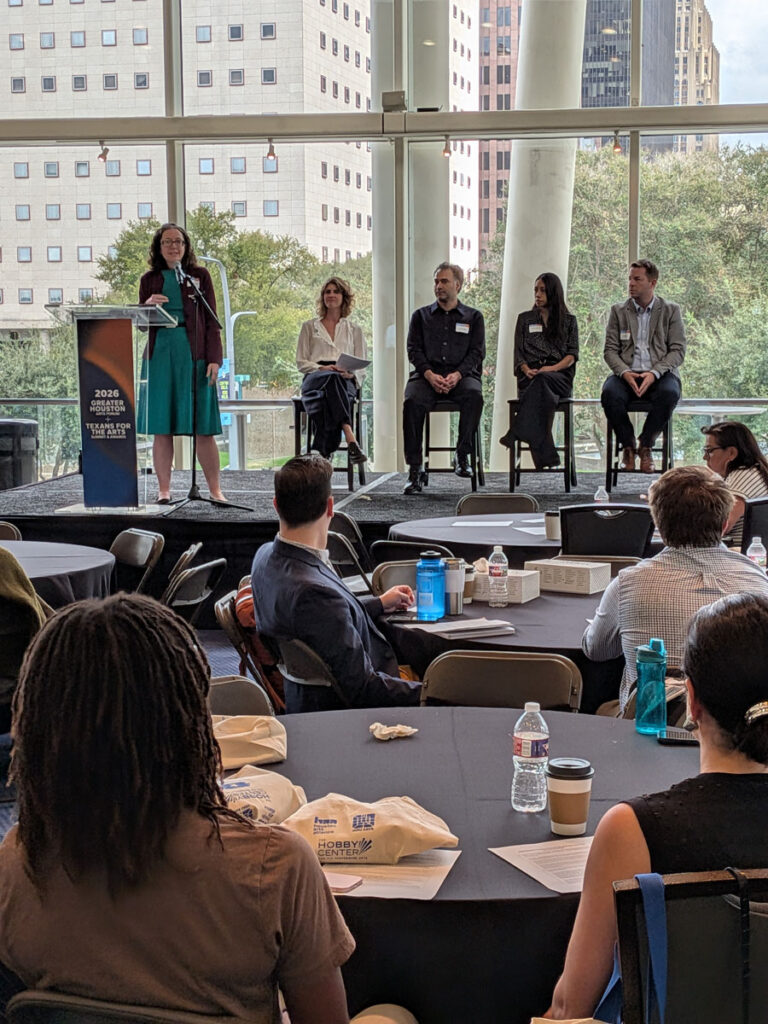
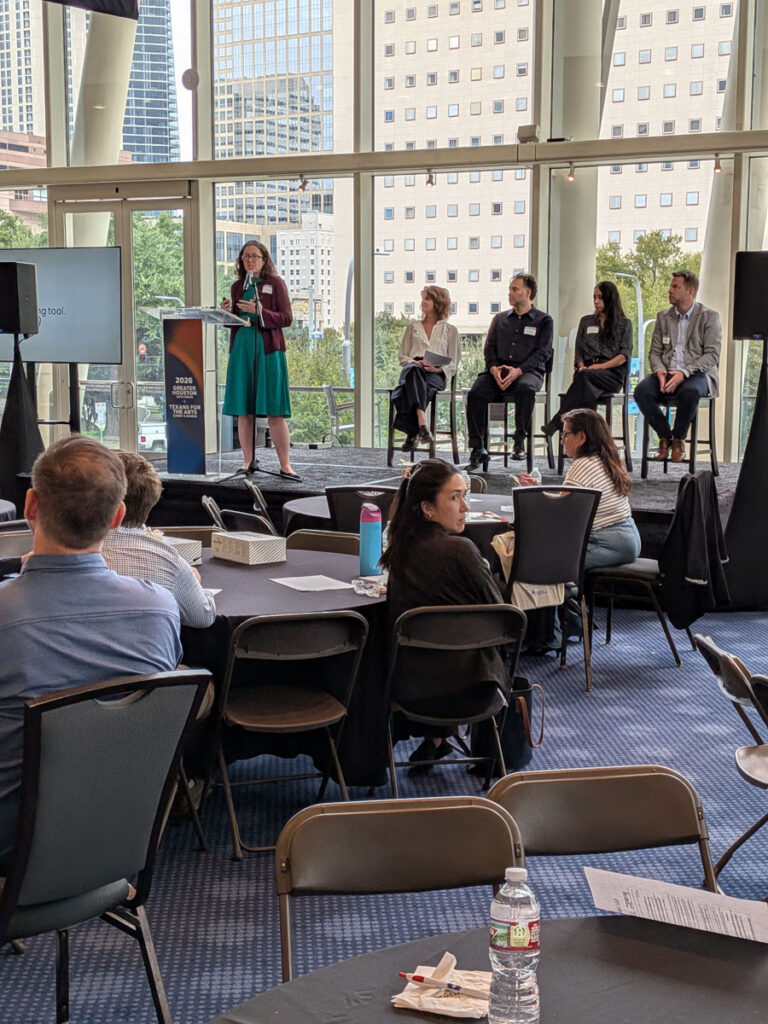
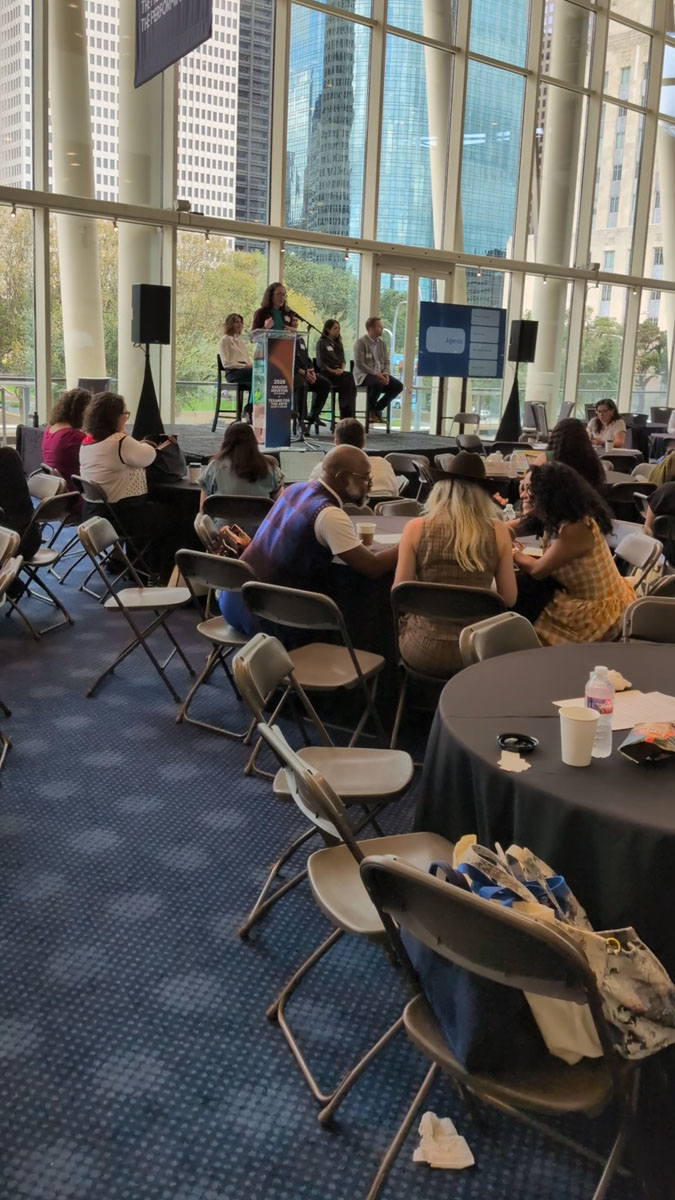
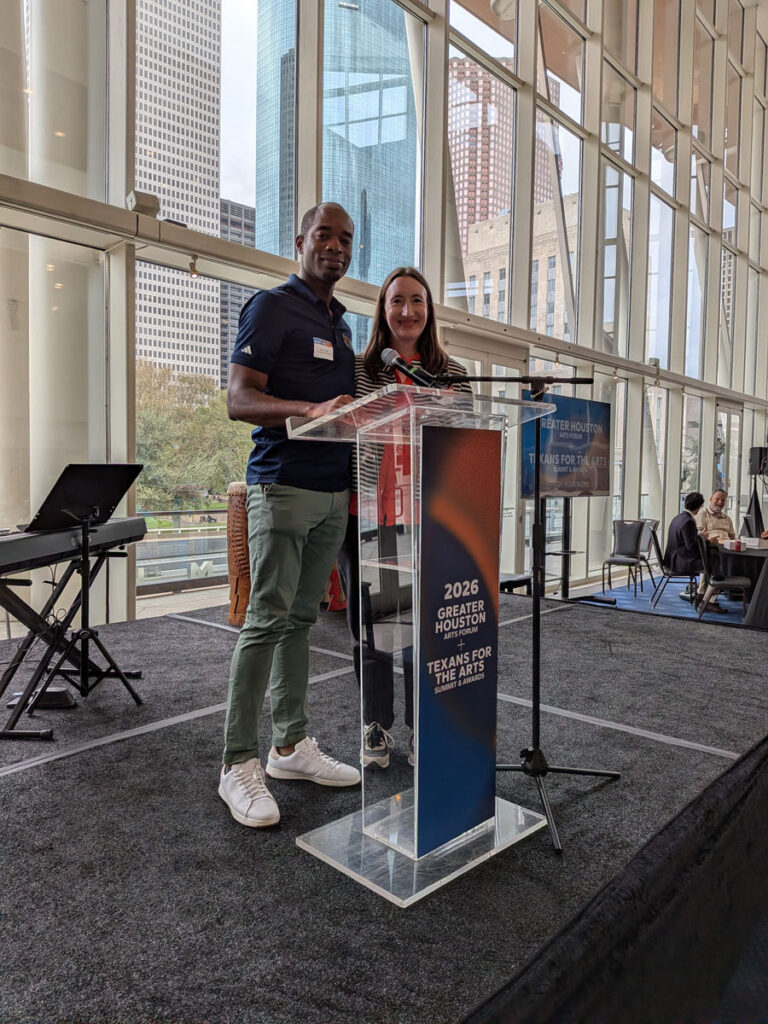
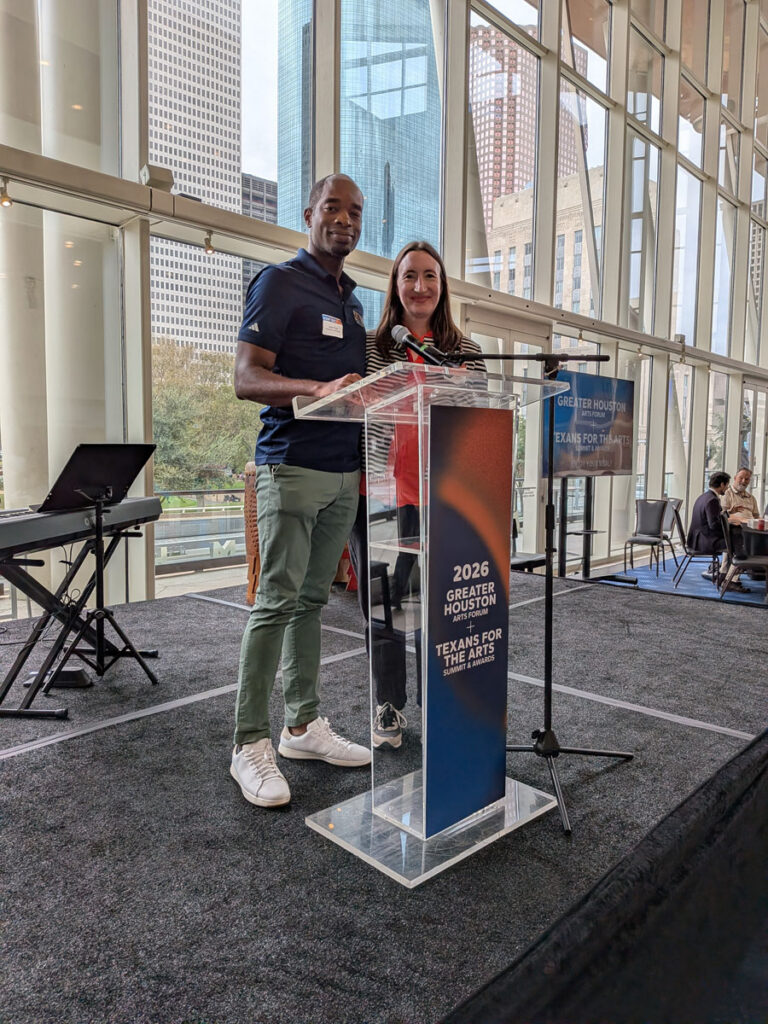
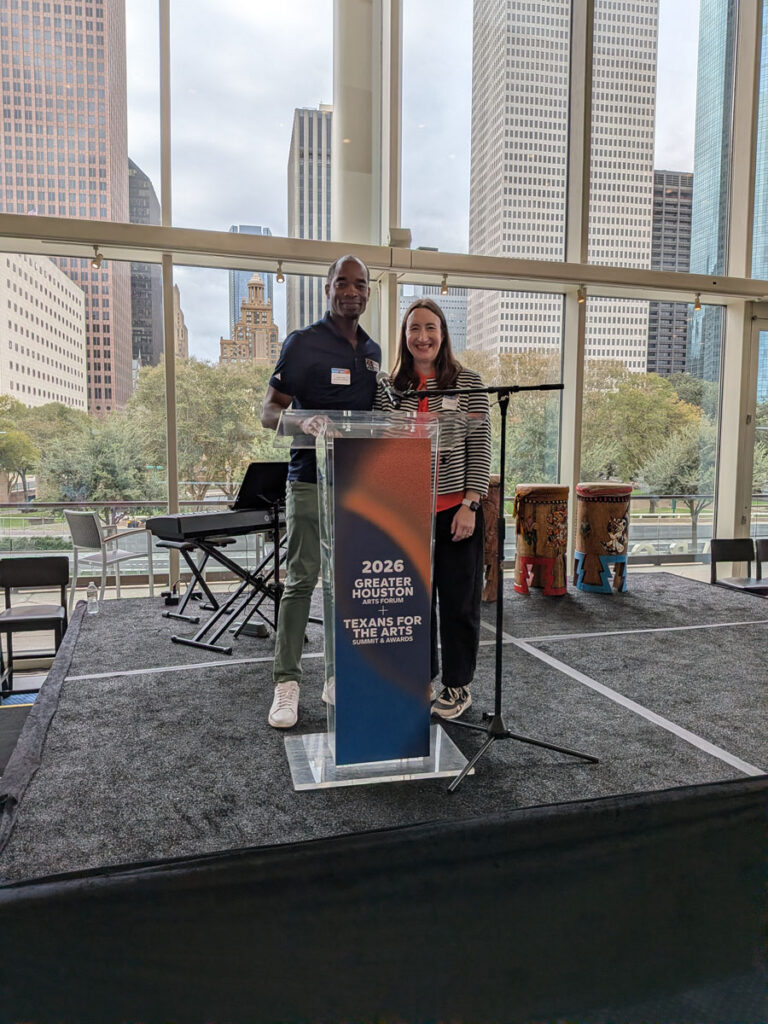
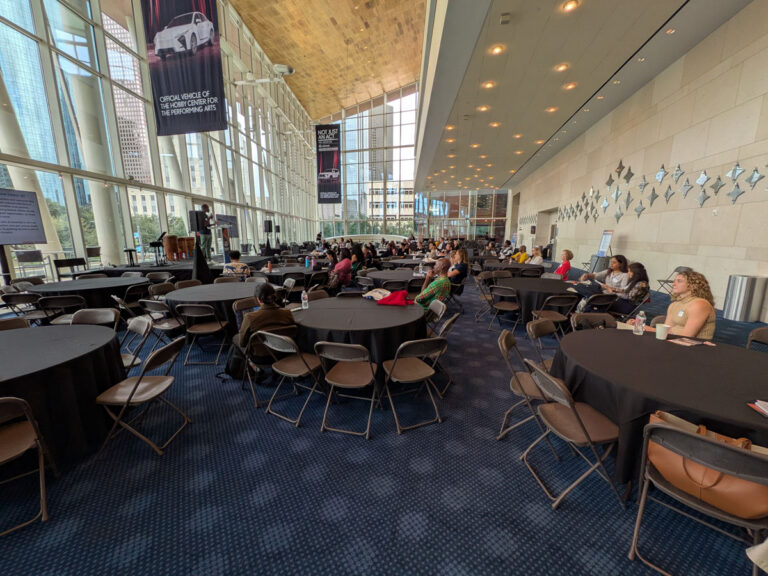
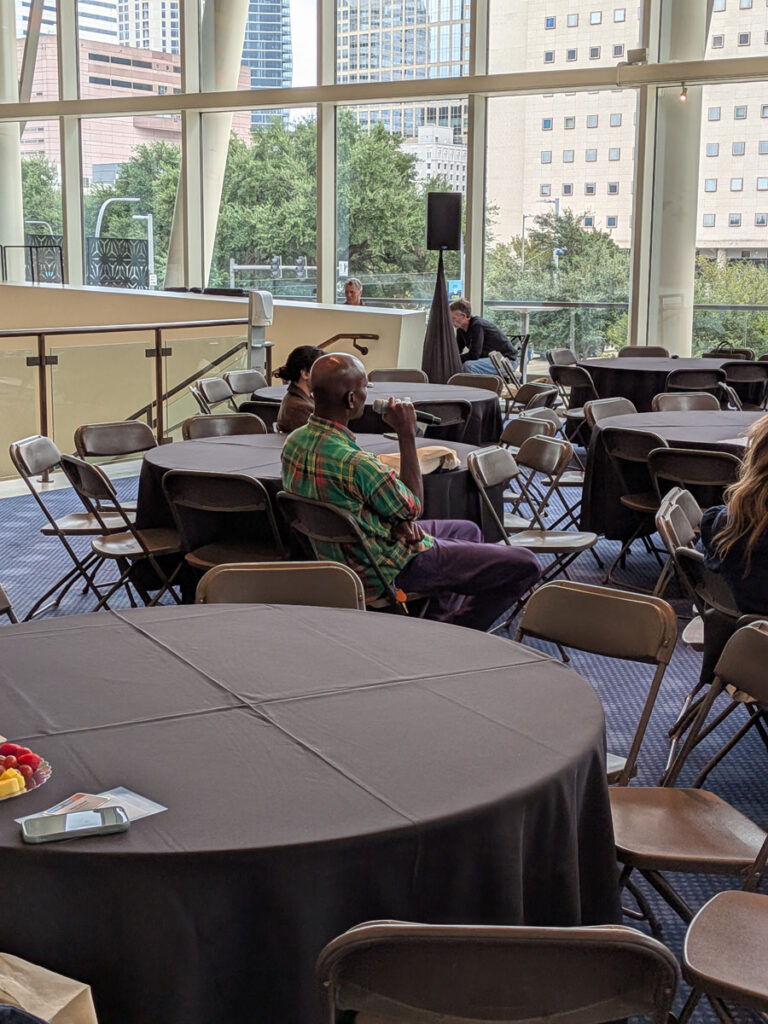
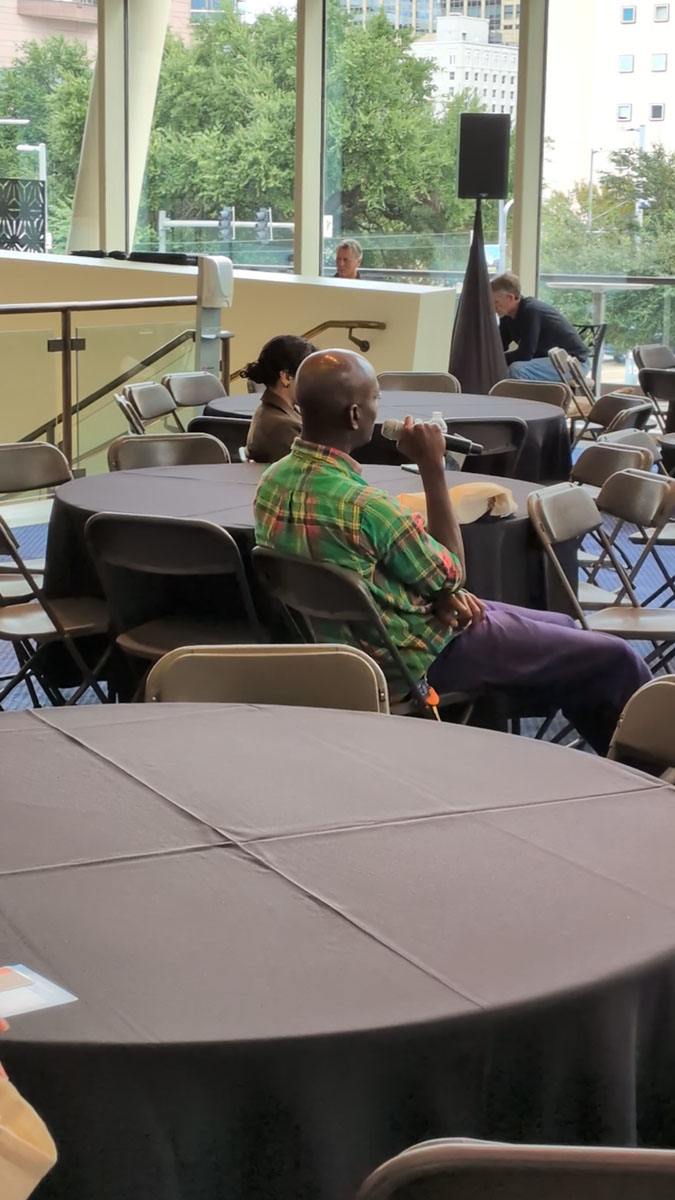
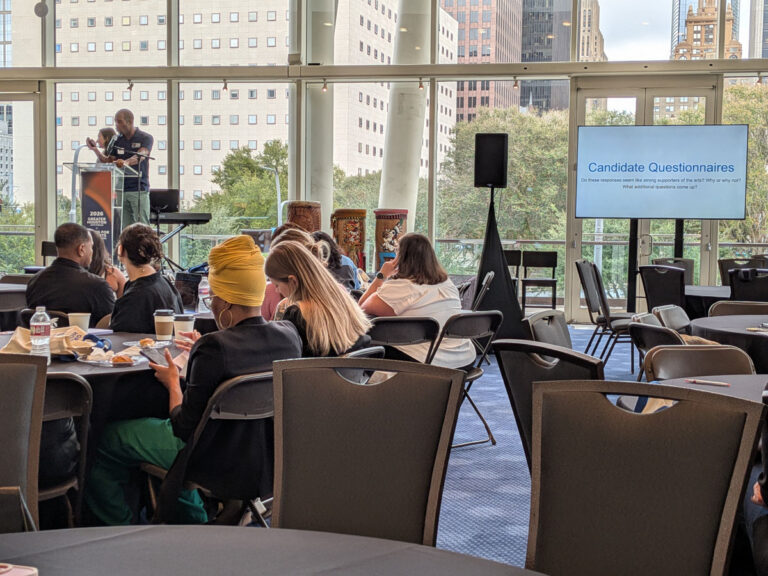
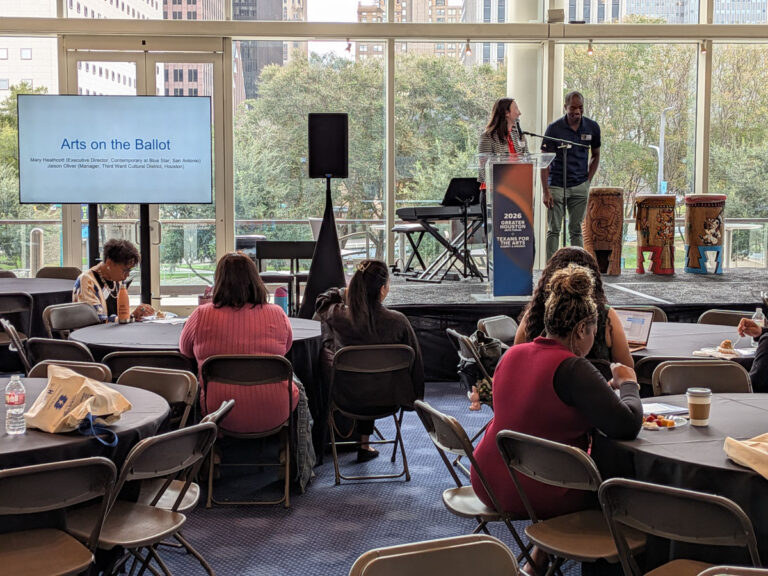
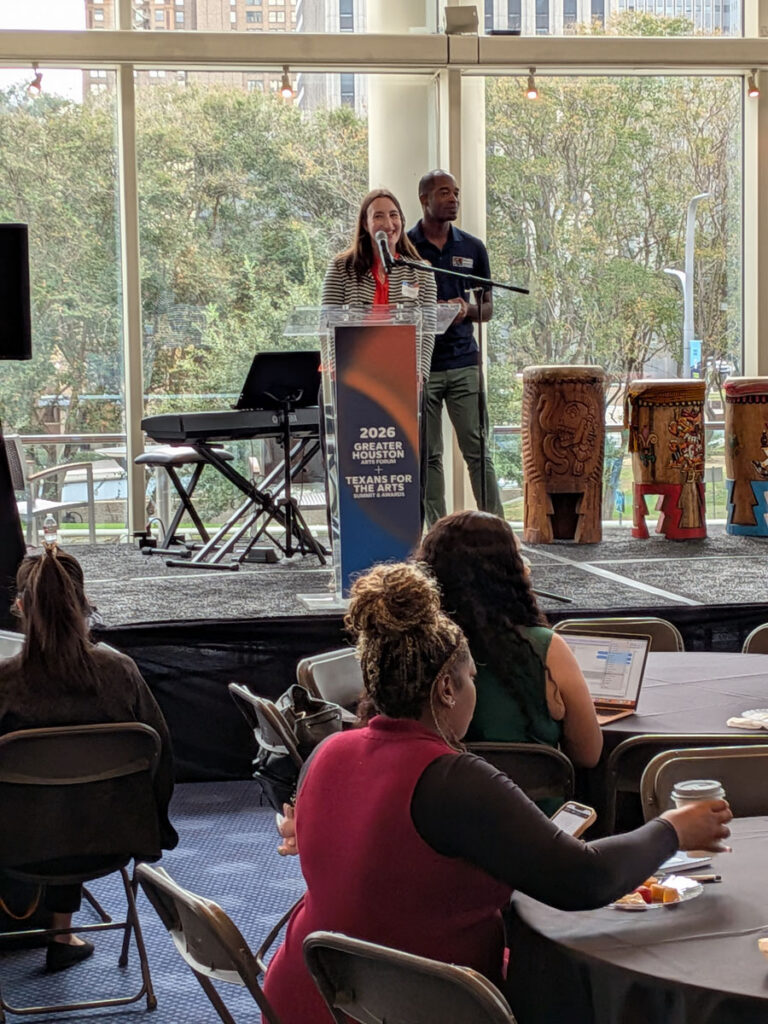
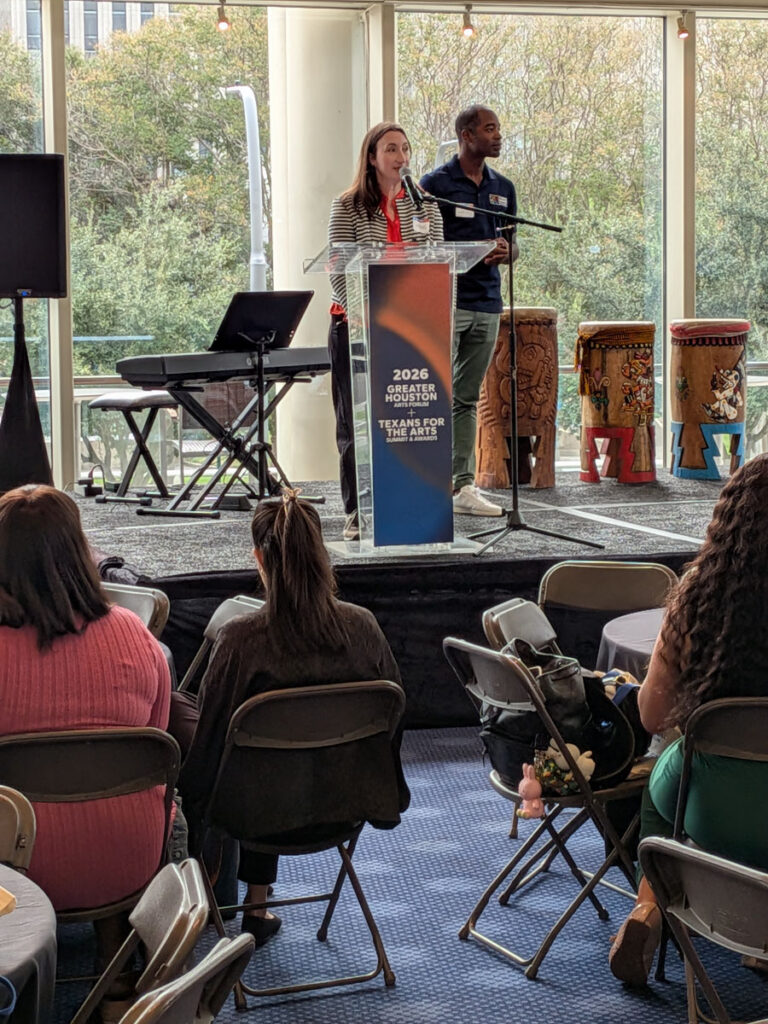
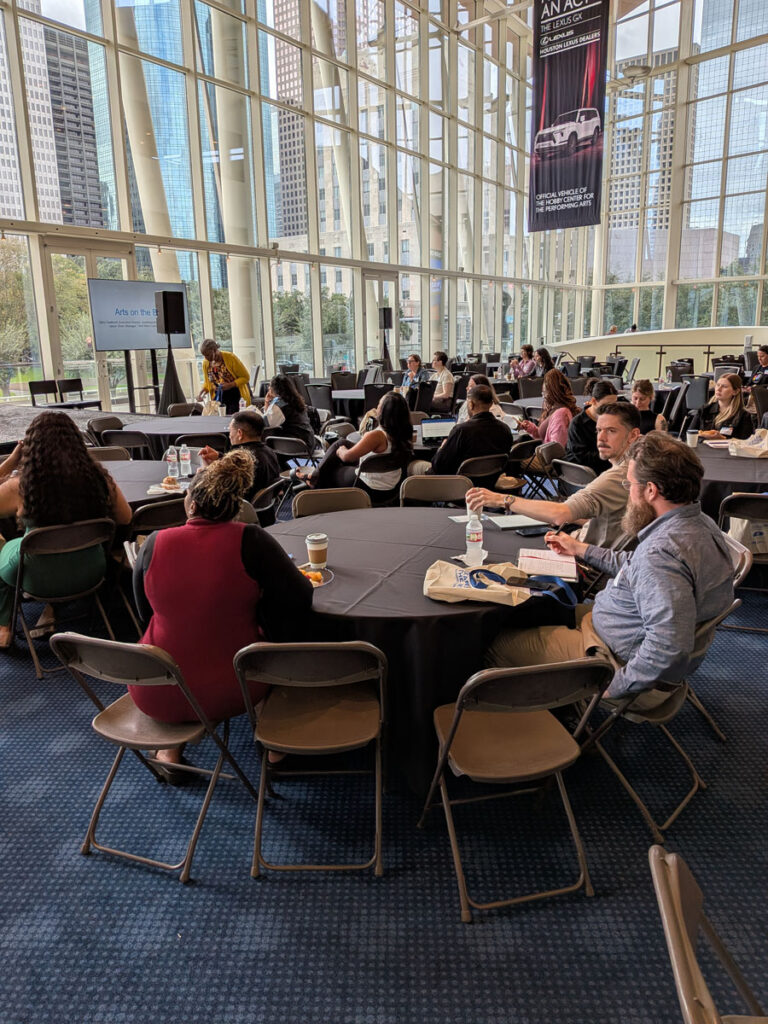
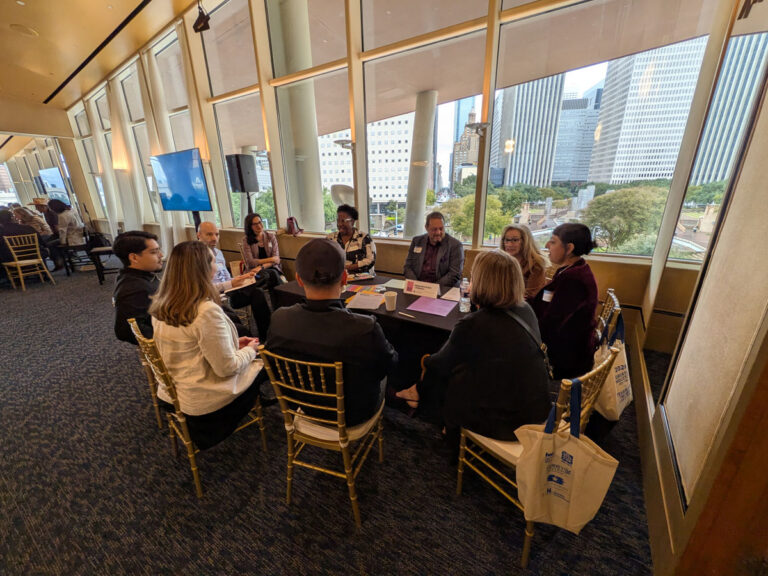
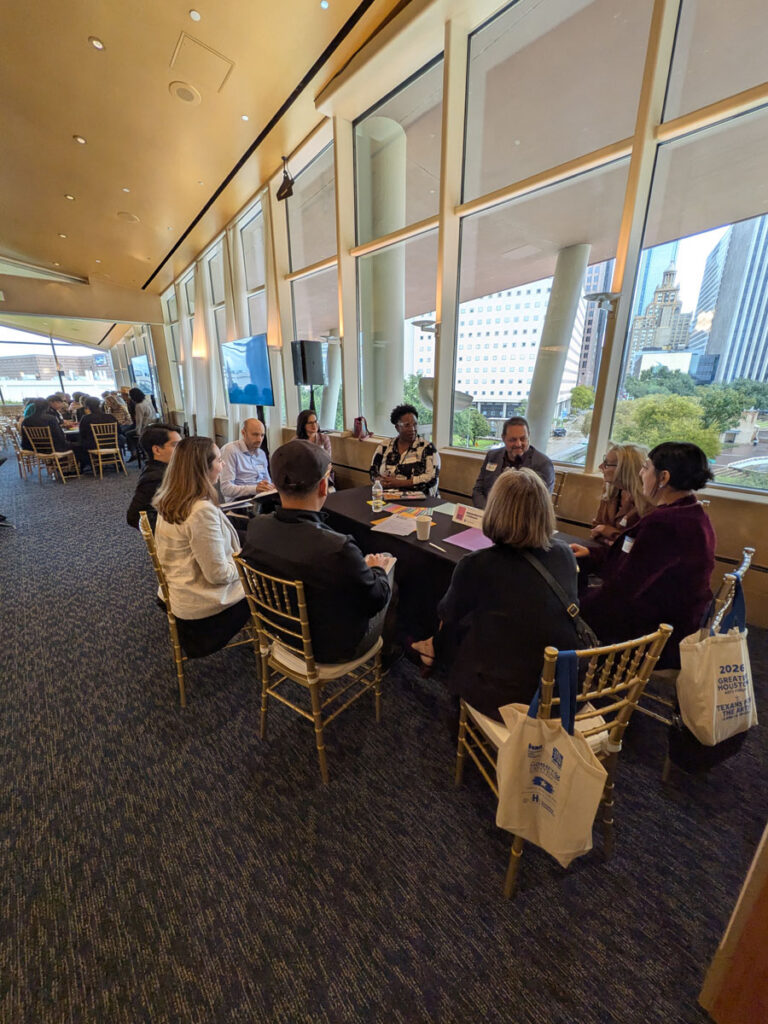
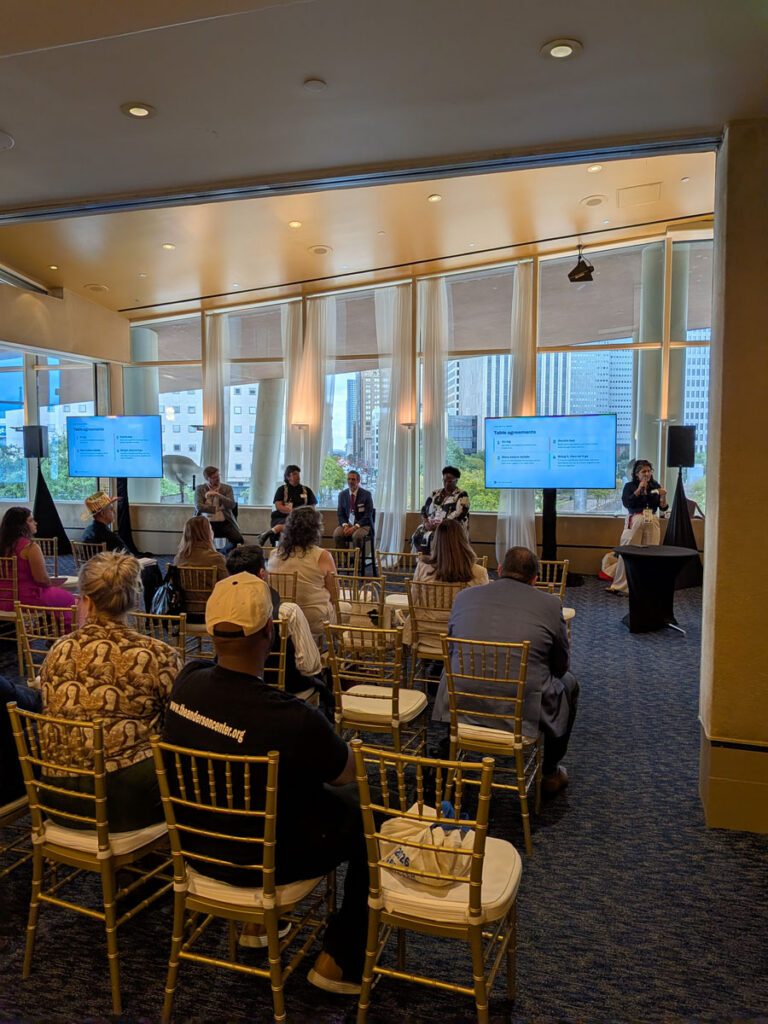
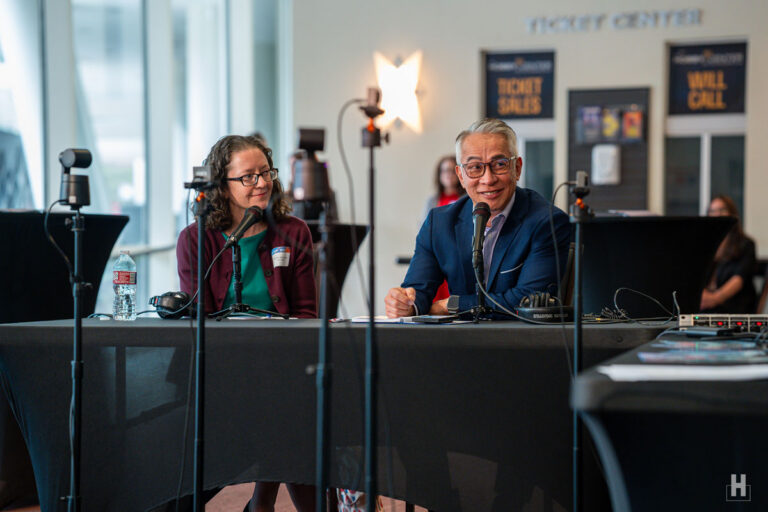
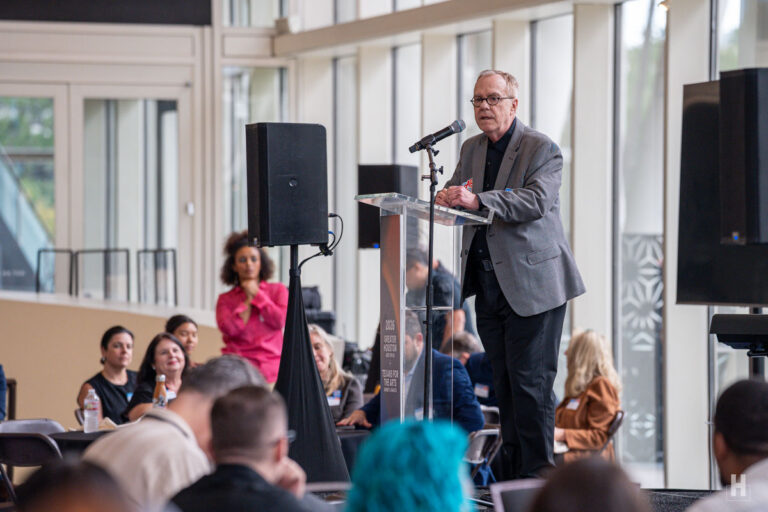
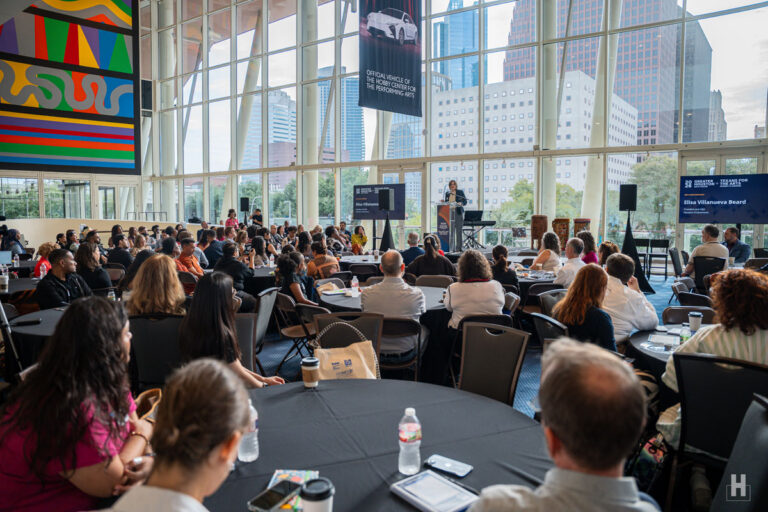
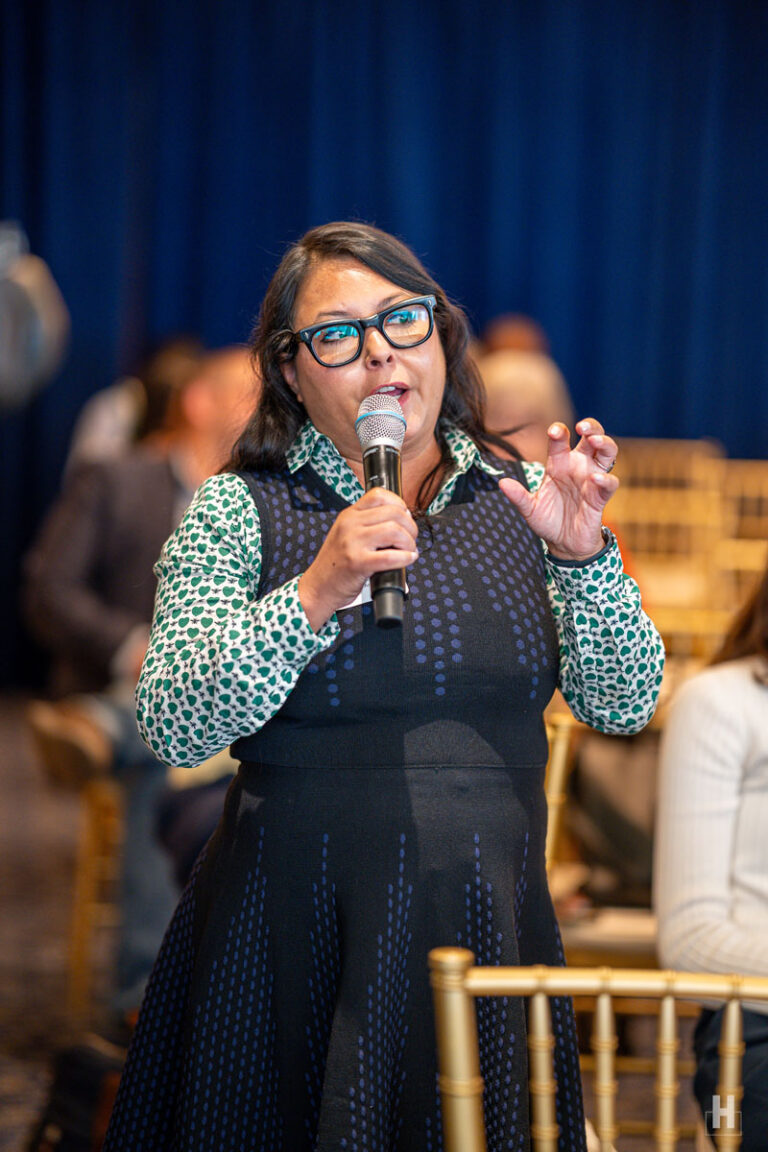
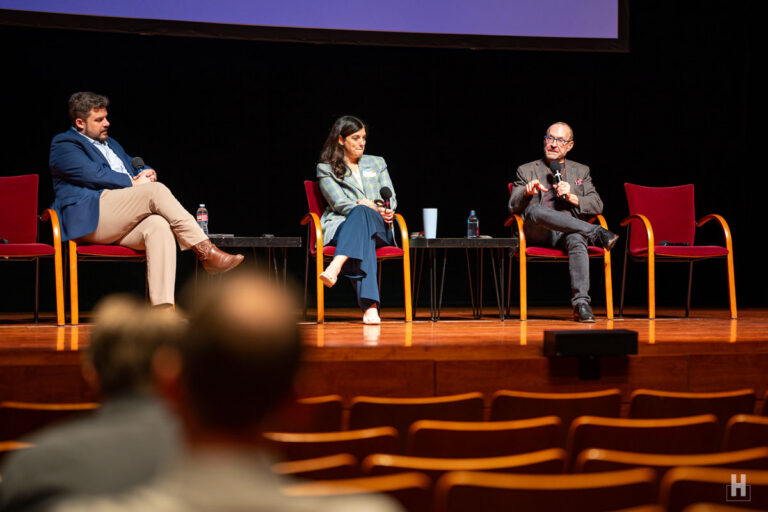
The 2026 Greater Houston Arts Forum + Texans for the Arts Summit & Advocacy Awards open with an essential conversation about the field’s legislative priorities and policy decisions that will shape the future of arts and culture across Texas. As artists, nonprofit leaders, educators, advocates, philanthropists, and civic partners gather from across the state, this session will provide the context needed to engage effectively during the 90th Texas Legislative Session while recognizing the broader national landscape that influences arts policy.
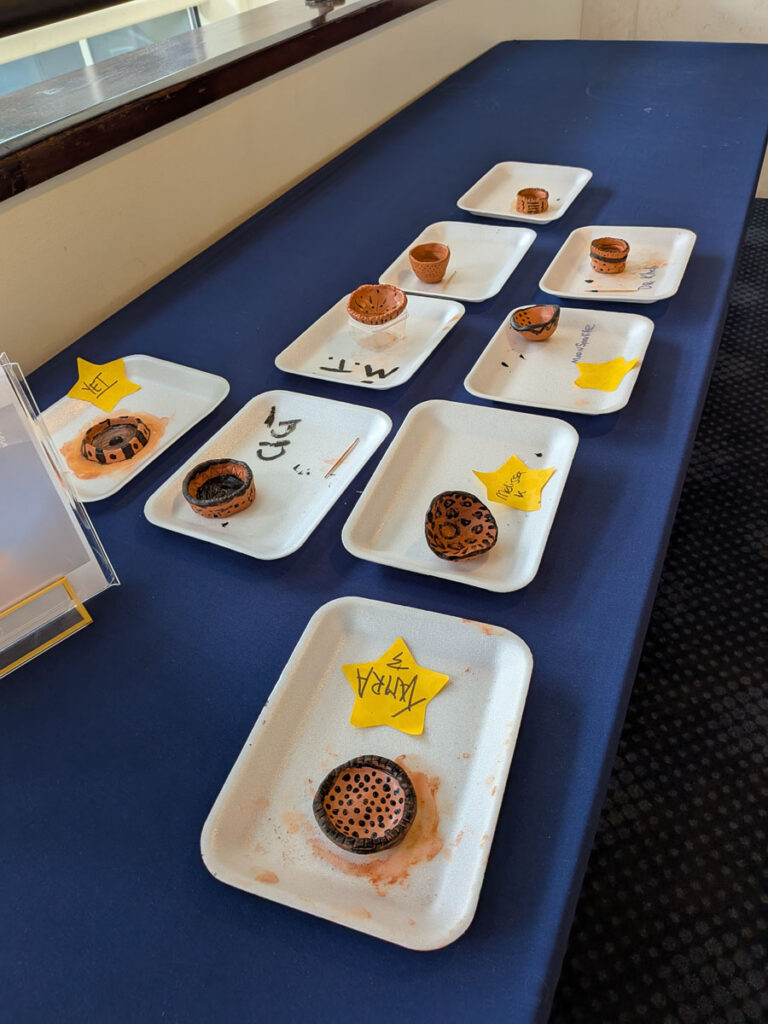
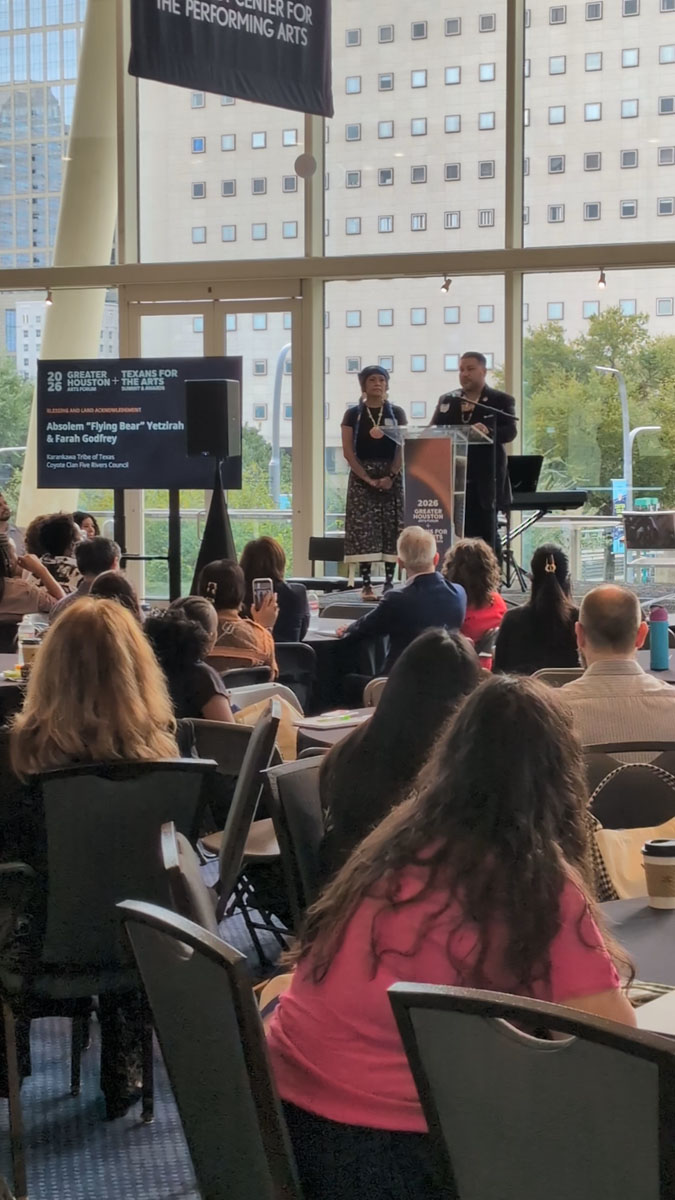
Join Absolem “Flying Bear” Yetzirah and Farrah Godfrey from the Karankawa Tribe of Texas–Coyote Clan Five Rivers Council for a tactile art experience making clay pinch pots from 9 AM – 4 PM. Learn about their history and efforts to revitalize the Karankawa language, protect burial sites, and develop education programs that combat traditional Anglo education. From 2:30 – 4:00 PM, Absolem and Farrah will give participants a moment to breathe, offer tea, and share more about their material traditions and their significance. Participants can make shell jewelry to close out the day.
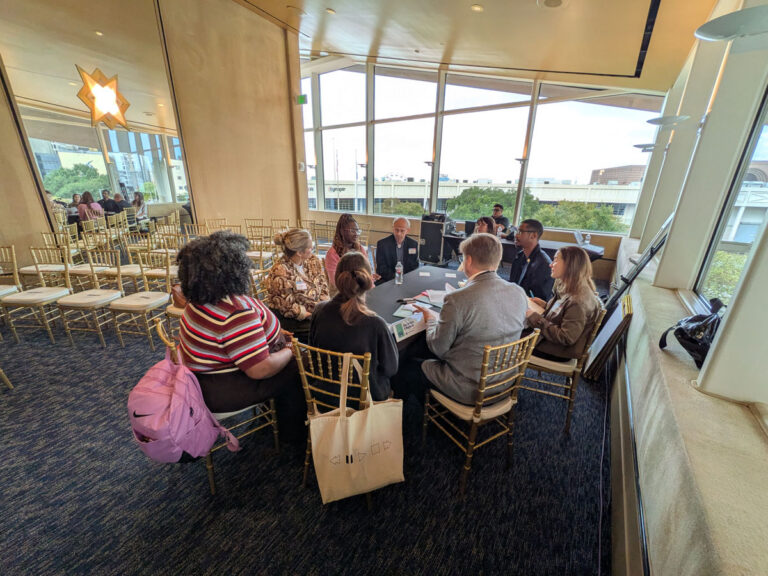
Every artist has a story, and that story can be a powerful form of advocacy. Only Art can save us. This workshop is intended to fuel, or revitalize, the power of story in our life and work. As artists, we know this. As administrators, we can’t always employ this. Through guided exercises, examples, and peer conversation, participants will explore how to talk about their work in ways that are authentic and meaningful to people who may not know their artistic practice or understand the role artists play in a community. Artists will develop and practice telling a story that connects who they are, what they create, who their work reaches, why it matters, and what it makes possible. The goal is to help artists find language that feels like their own and gives others a reason to care about their work.
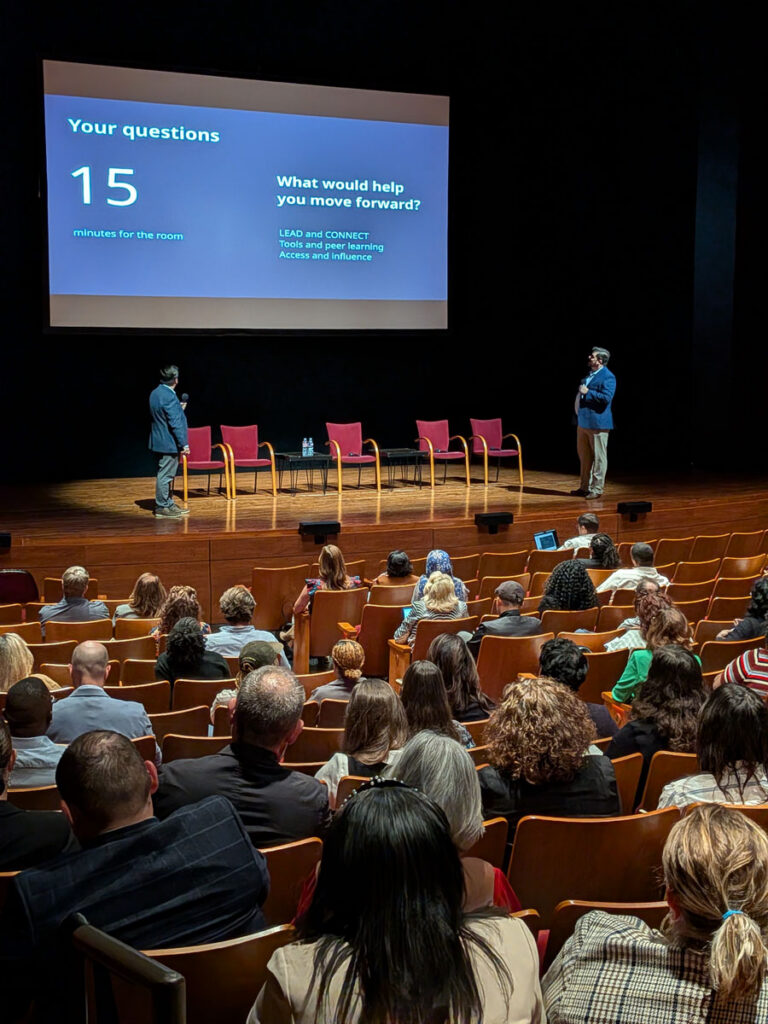
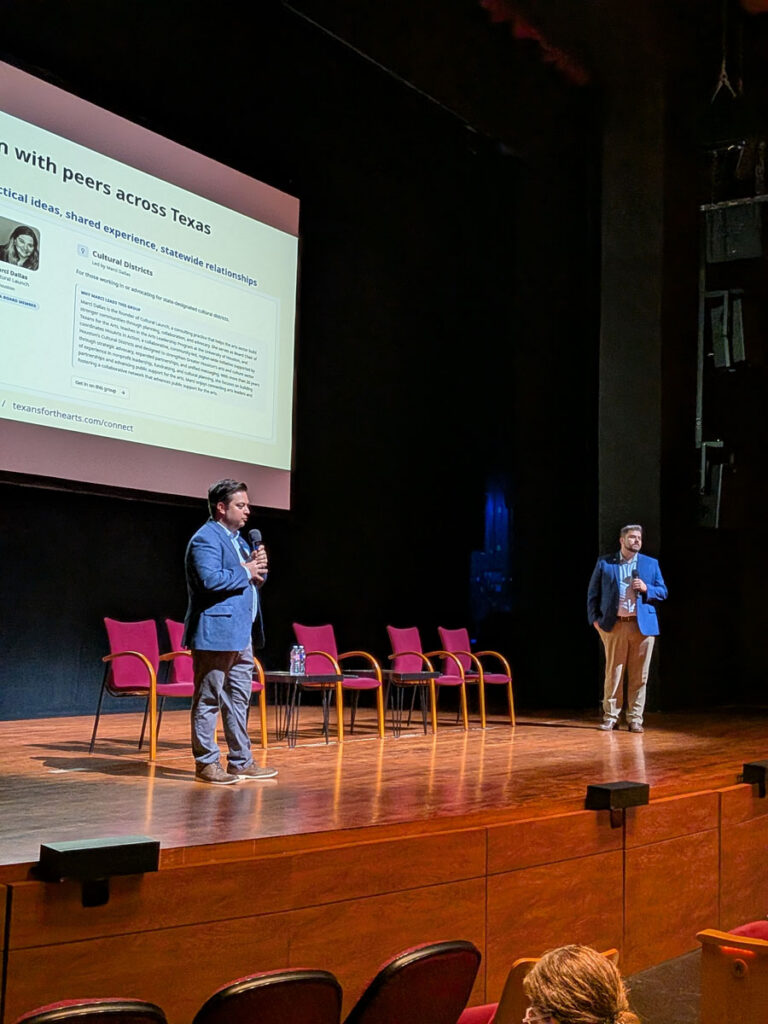
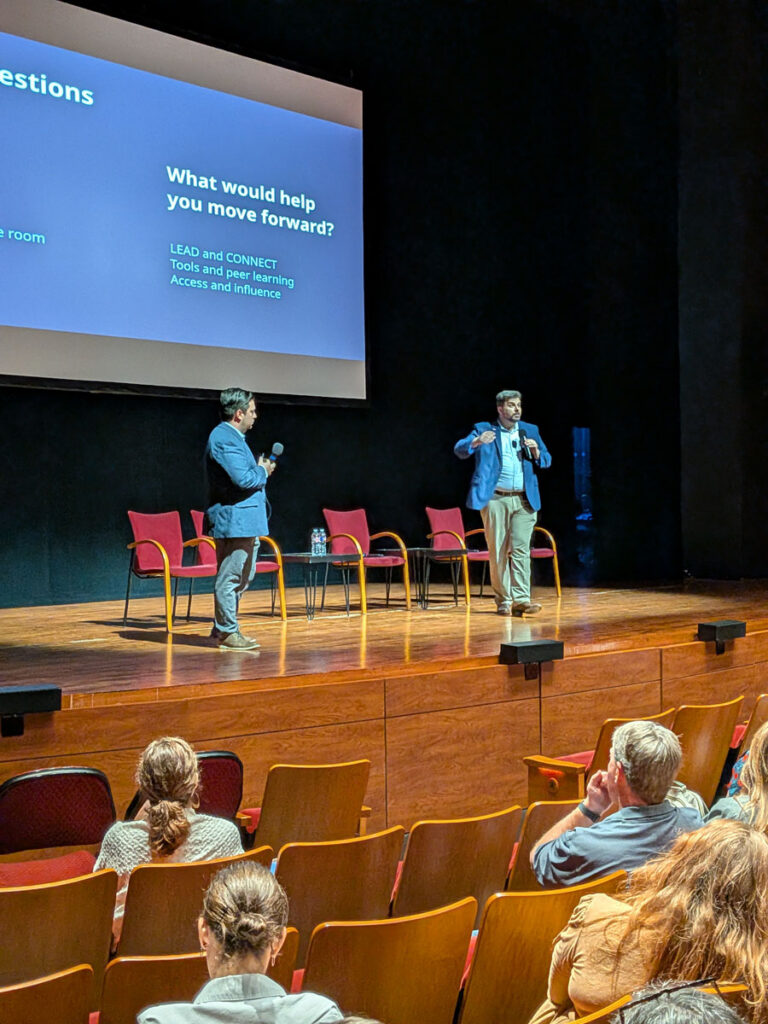
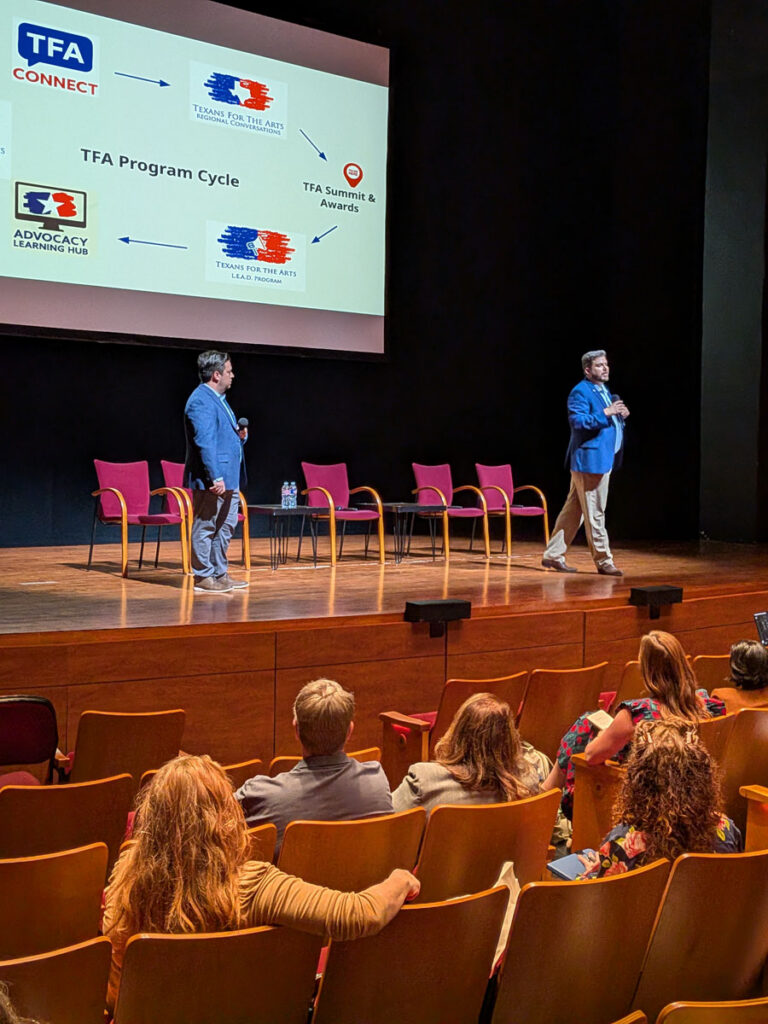
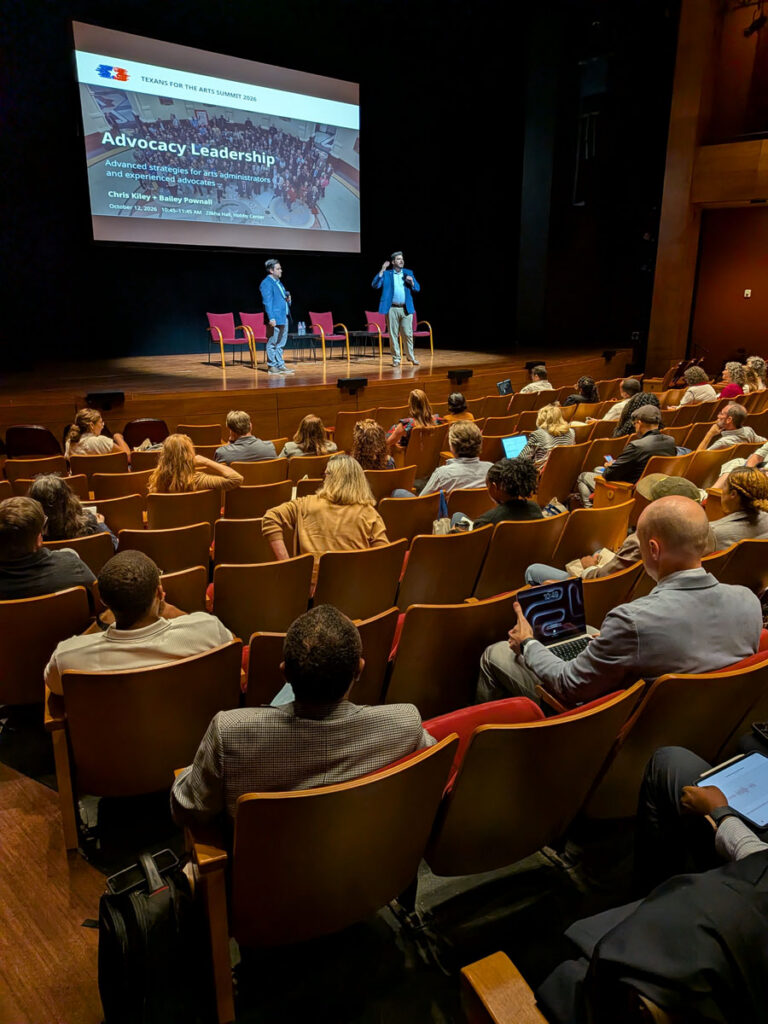
Ready to take your advocacy to the next level? Join TFA to learn about their suite of resources to empower your statewide advocacy efforts. Learn about TFA’s newest program, the LEAD advocate program, our TFA CONNECT affinity groups, and our new digital learning & resource hub. We have a goal to have a trained LEAD advocate in each of our 181 legislative districts, because it is so vital to hear from constituents about the transformative power of the arts in communities of all sizes around the state. This session is designed for advocates that are ready to forge deeper relationships with their elected officials and want to be a leading voice for the arts in their region.
Hello Houston will be taping their live show from 11:00 AM–1:00 PM. Find Hello Houston every weekday on Houston Public Media News 88.7, where they take a deep dive into the stories that matter to Houstonians—from breaking local news to cultural happenings, community voices, and the everyday joys and challenges of life in our vibrant city.
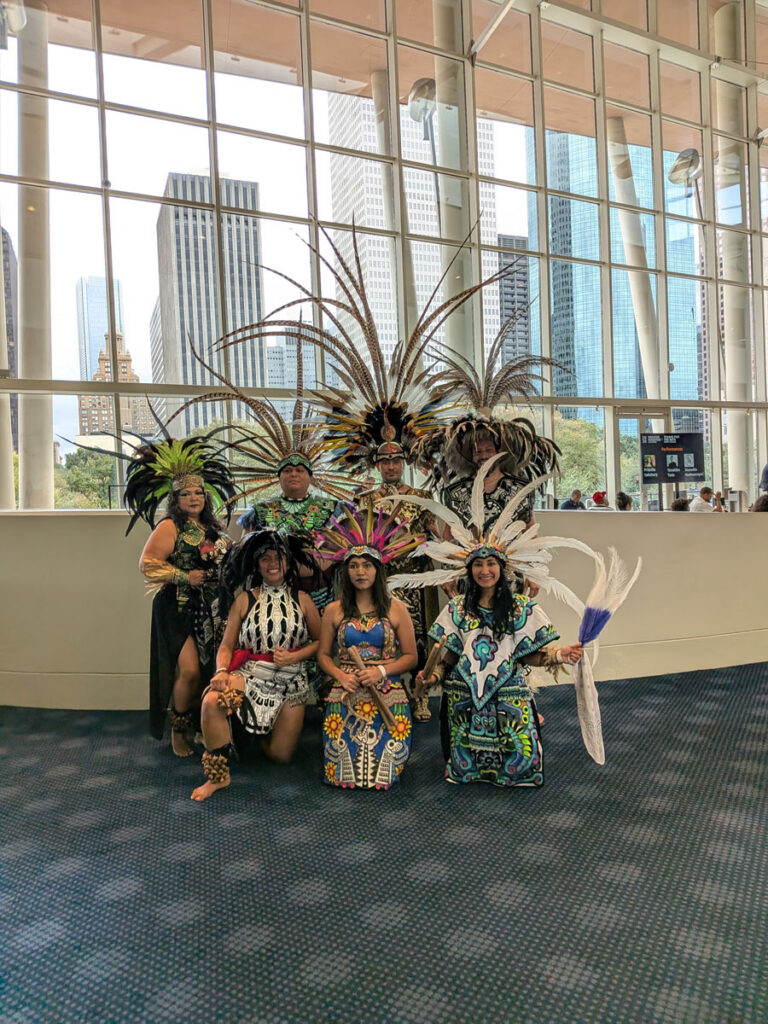
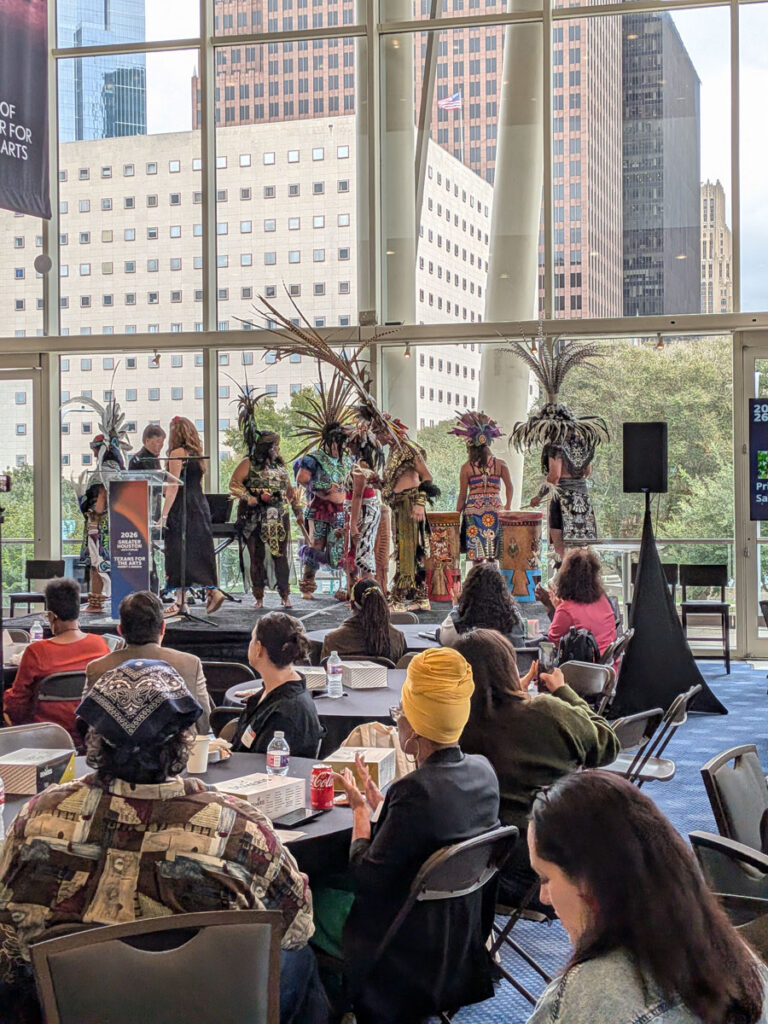
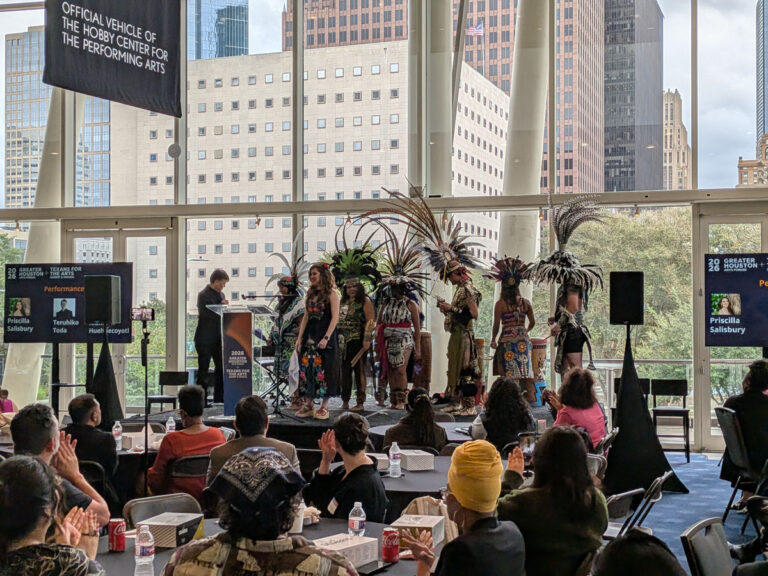
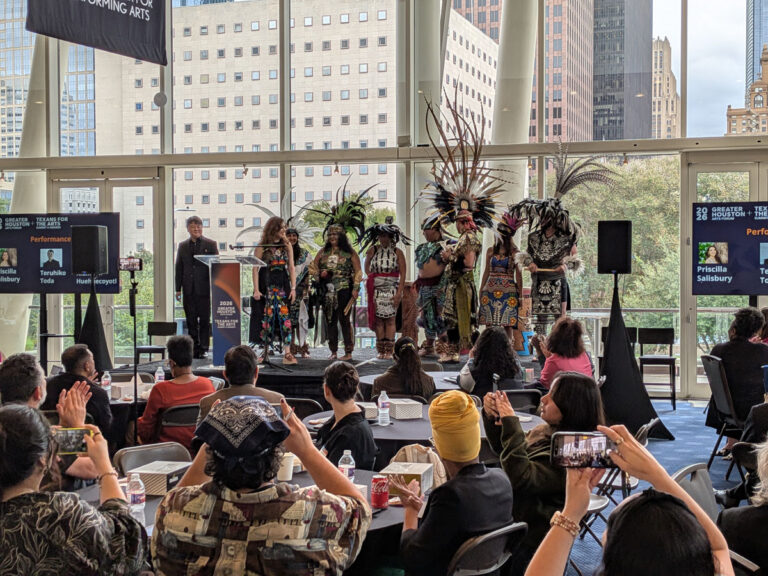
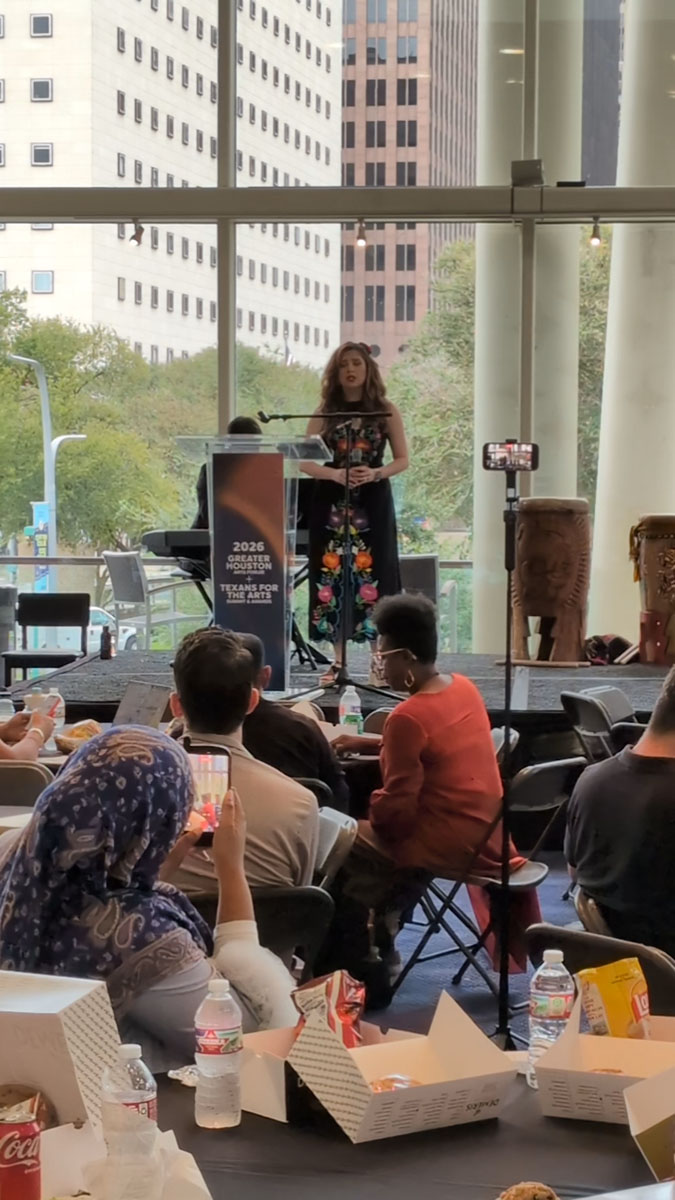
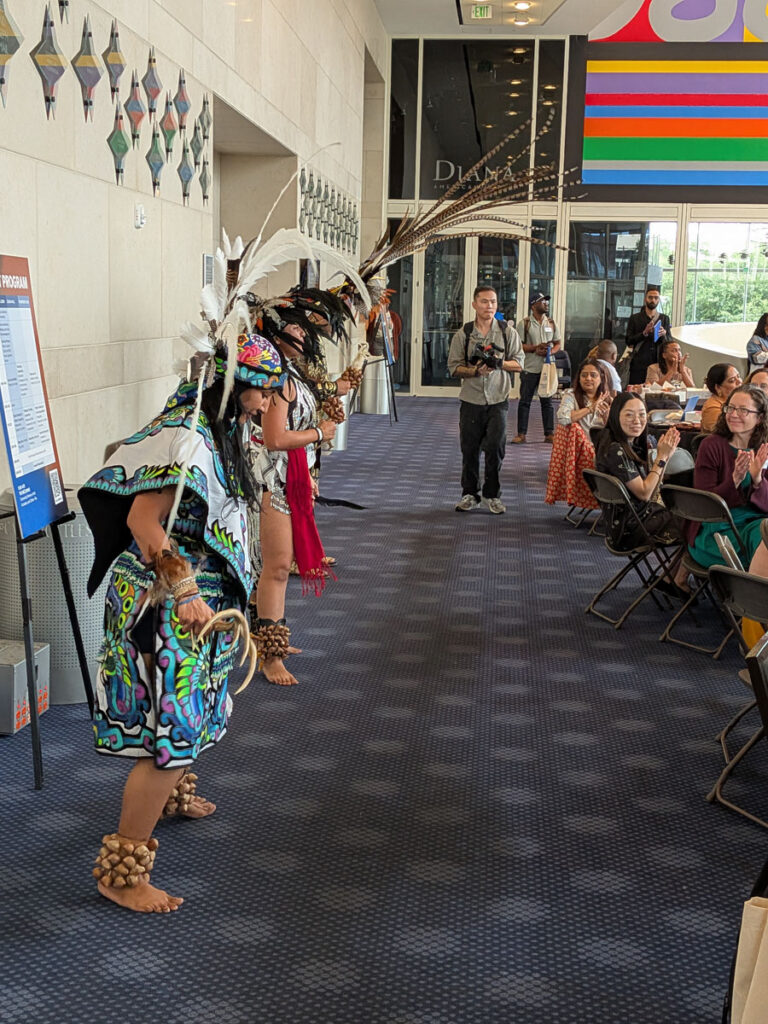
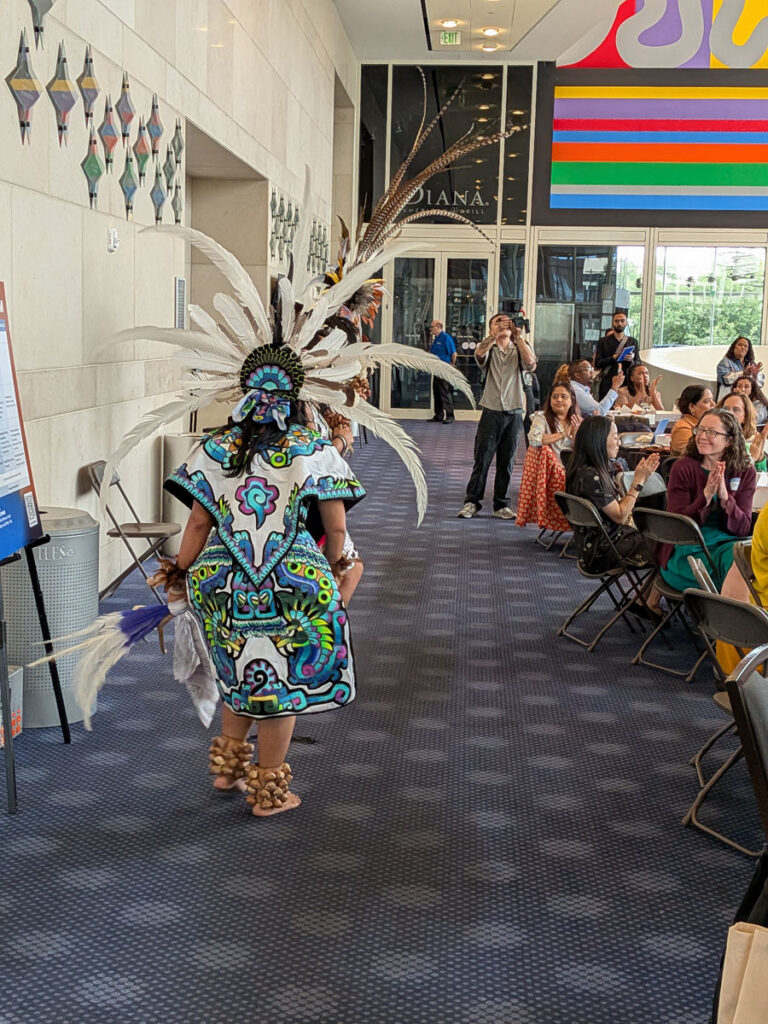
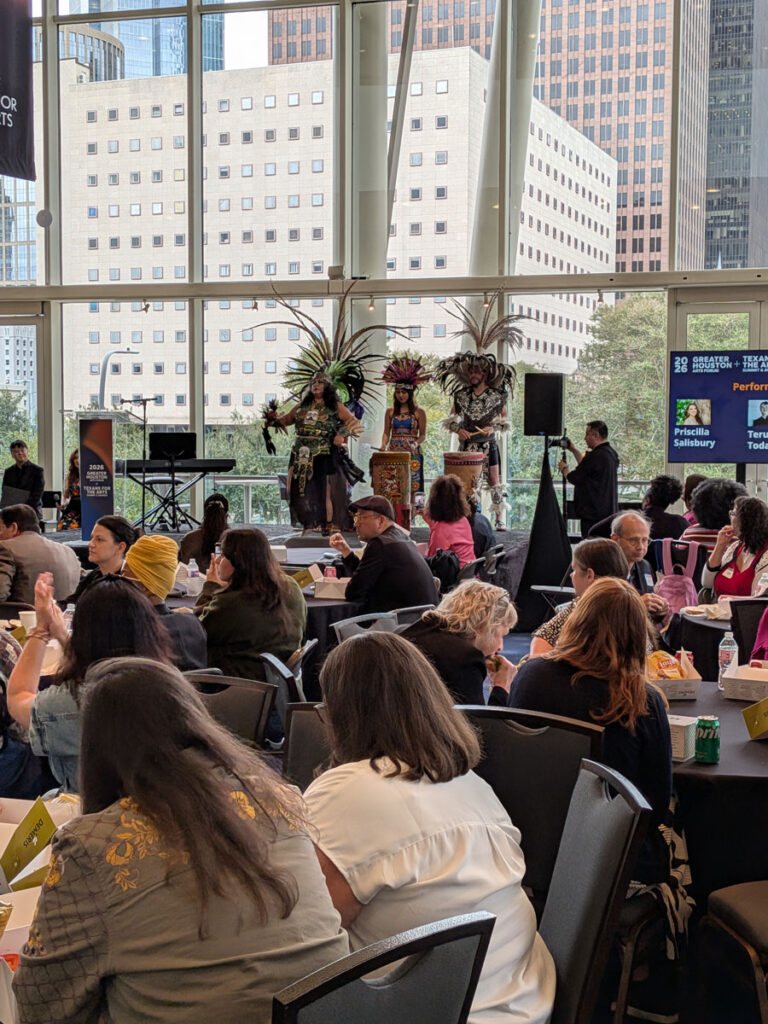
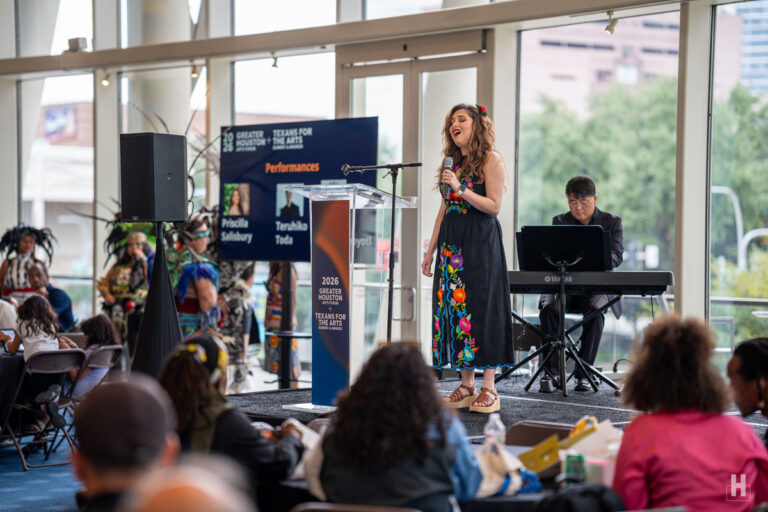
12:15–12:45 PM Lunchtime Performance: At lunchtime, participants will experience the talent of Priscilla Salisbury, an international award-winning Mexican-born soprano, educator, and mentor dedicated to connecting cultures through sacred, classical, and Latin American music. Salisbury will feature classical songs in Nahuatl, the language of the Aztecs, accompanied by pianist Teruhiko Toda and Xiuhollin Huehuecoyotl, a community-based Aztec dance group founded in 2024 and rooted in deep reverence for Indigenous tradition, ancestral wisdom, and community connection.
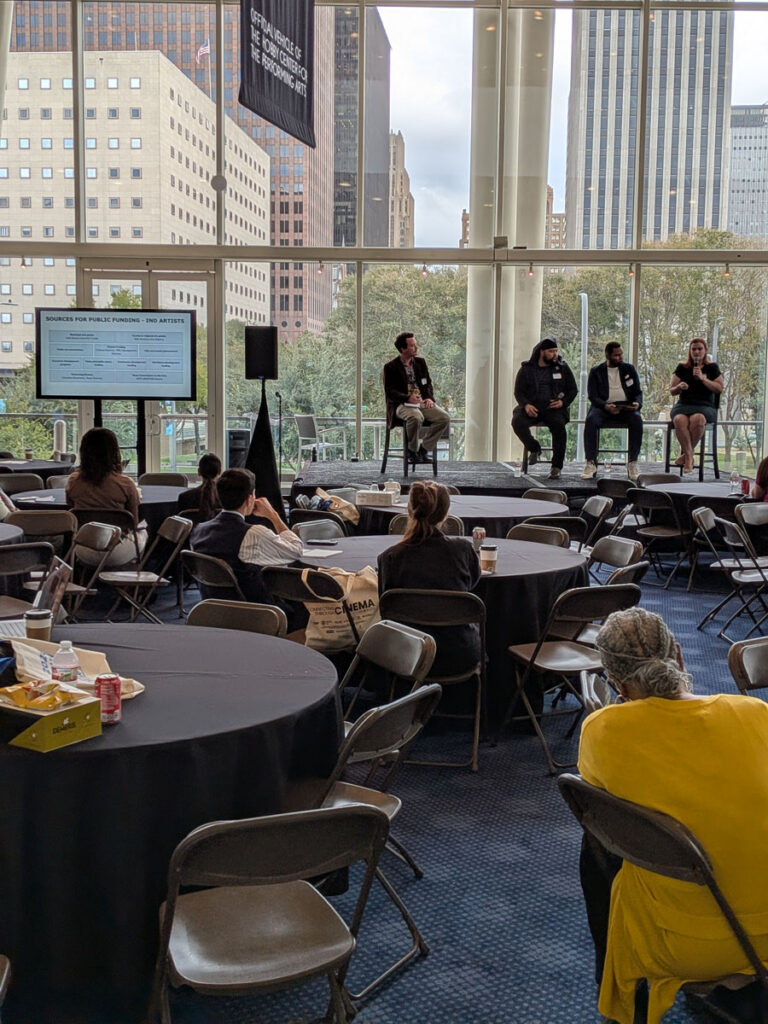
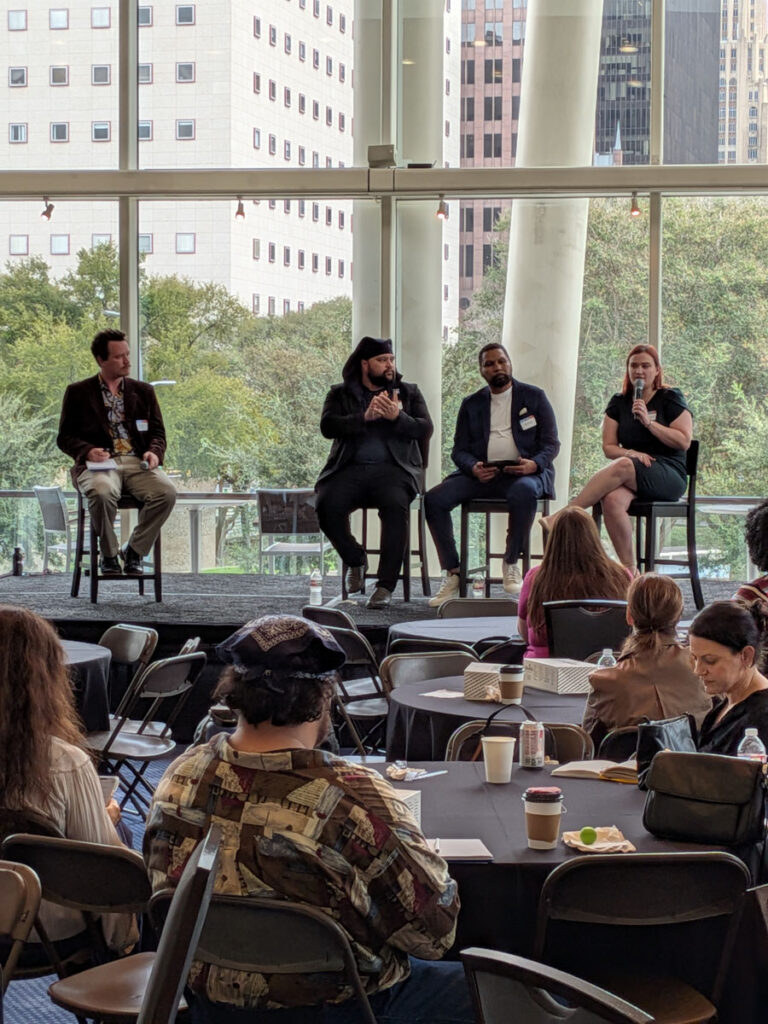
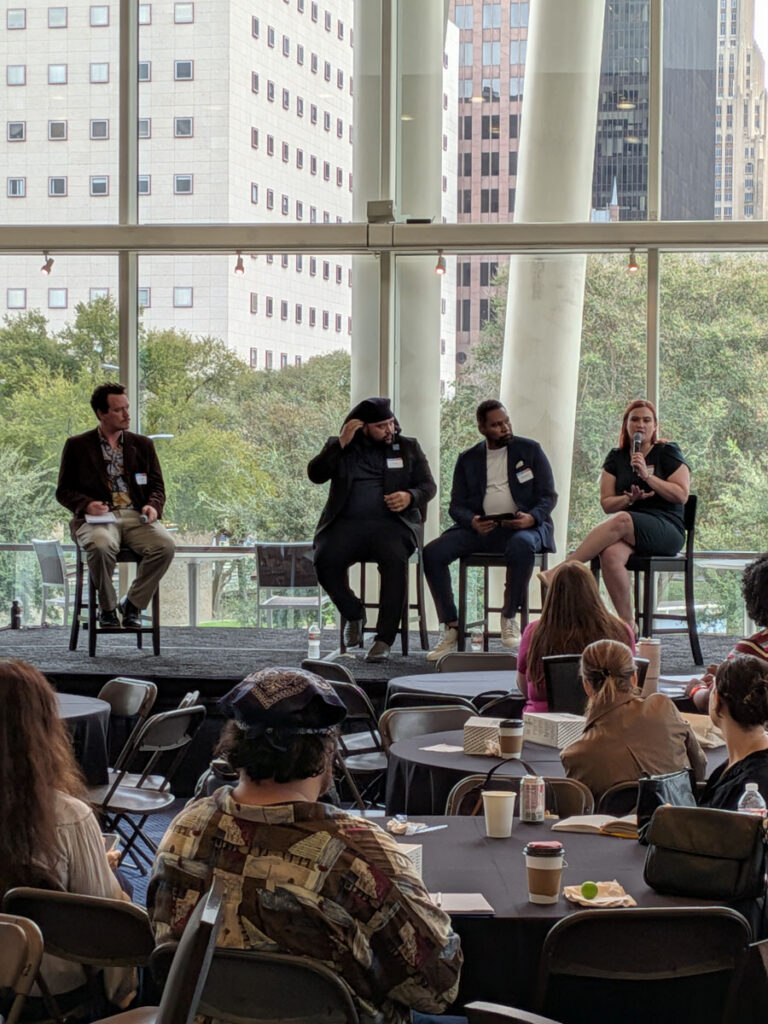
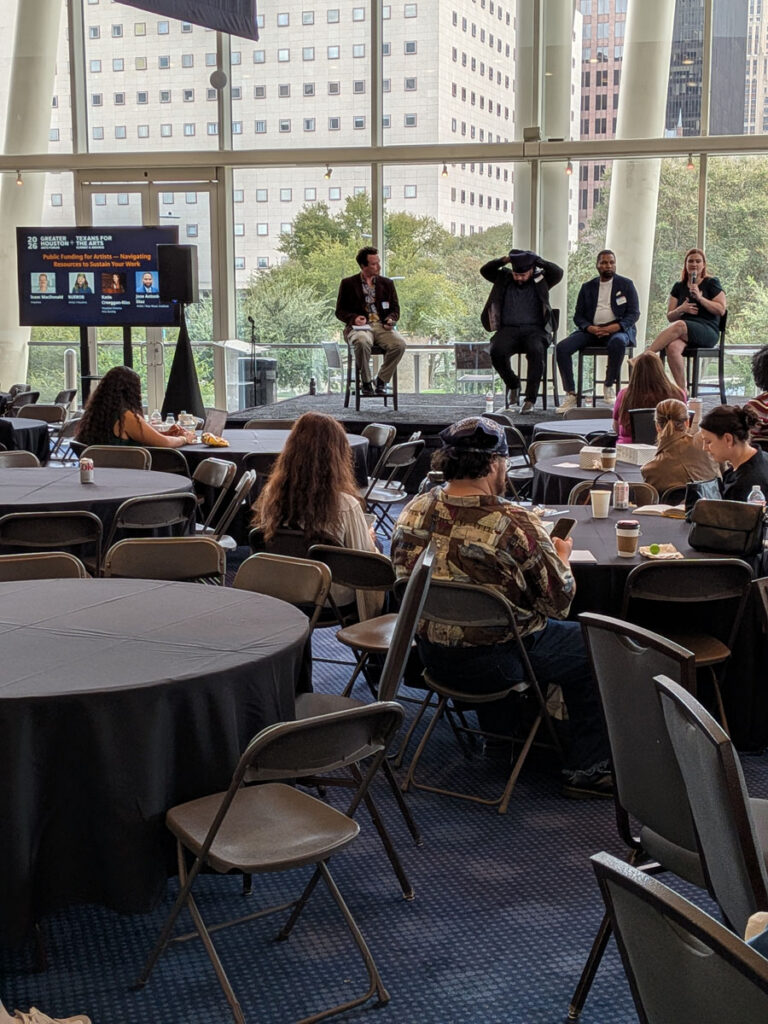
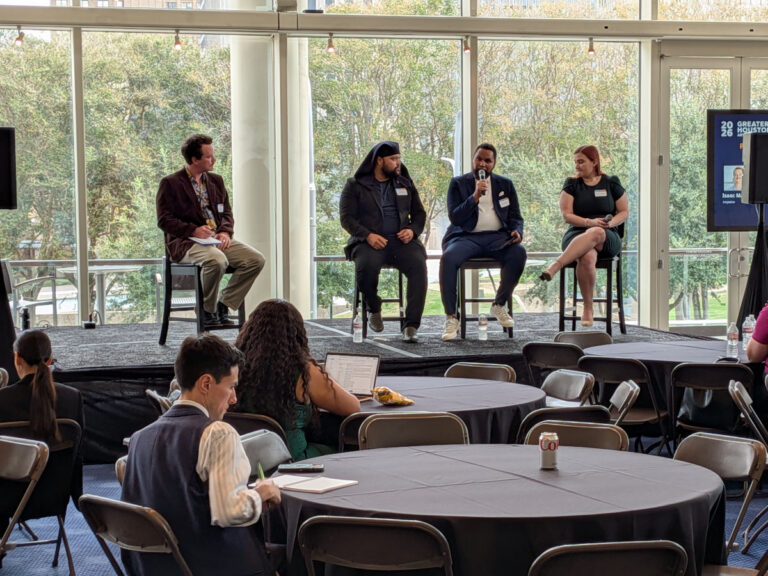
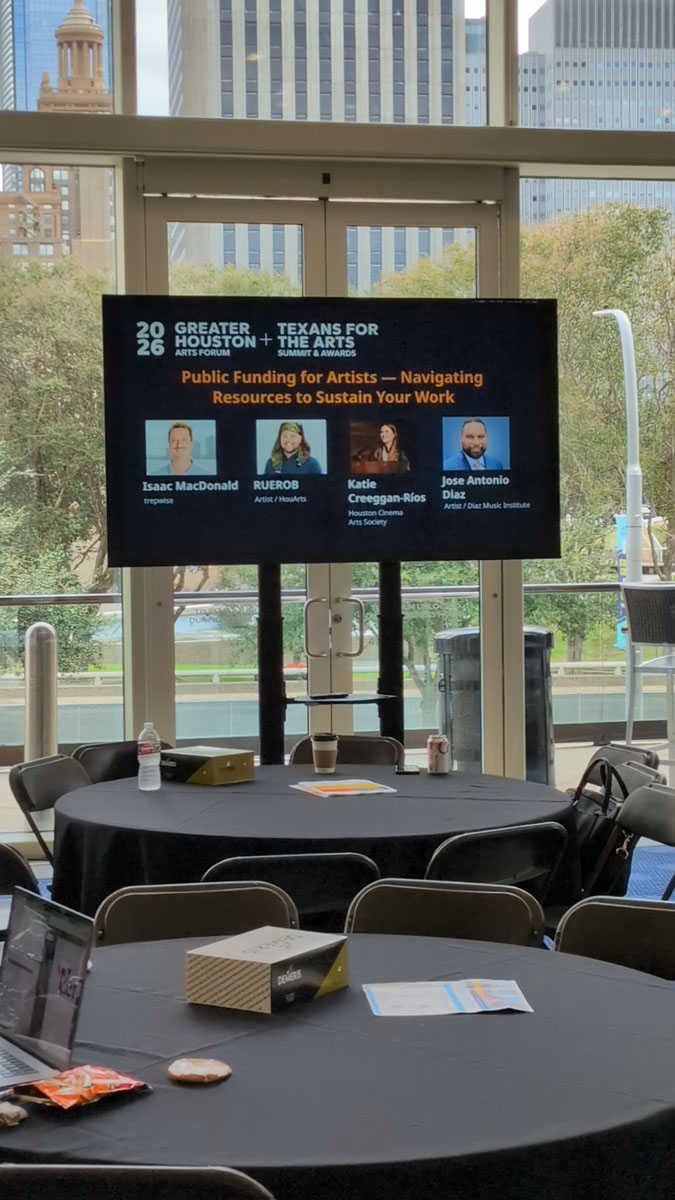
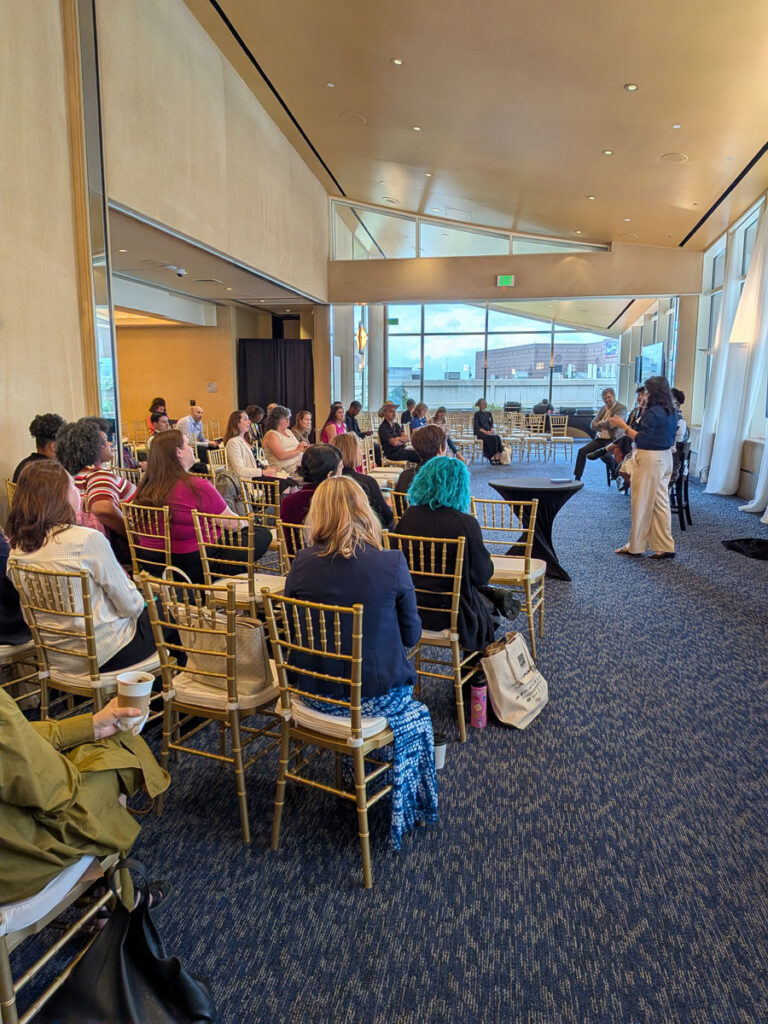
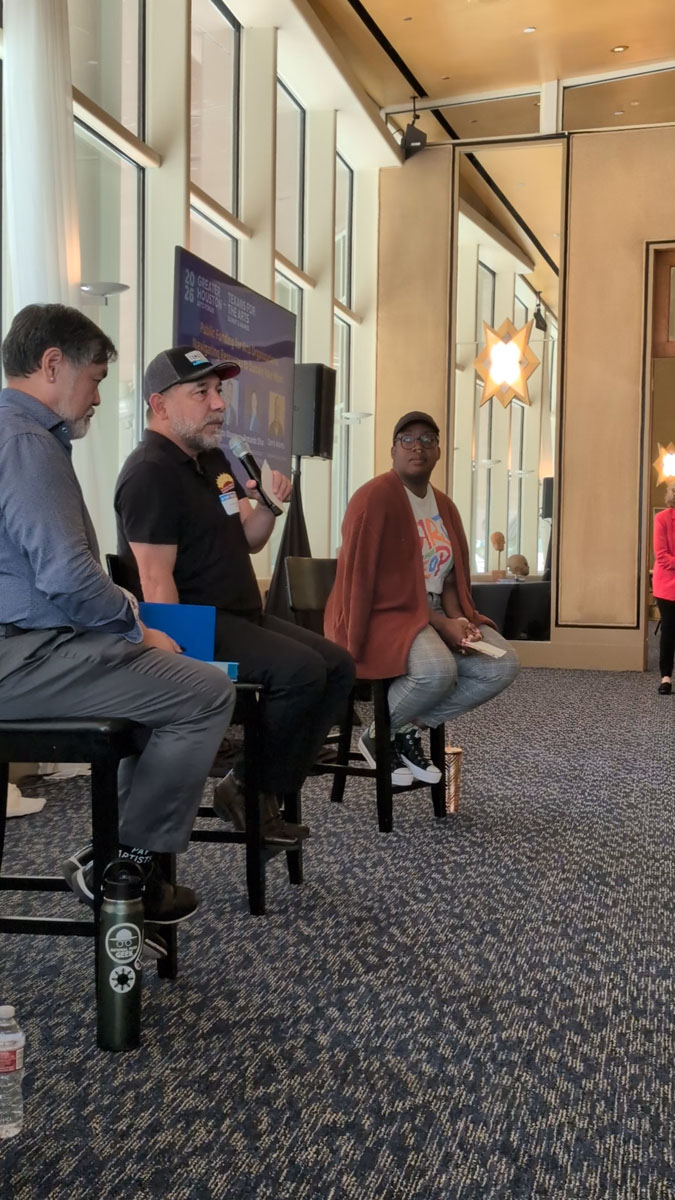
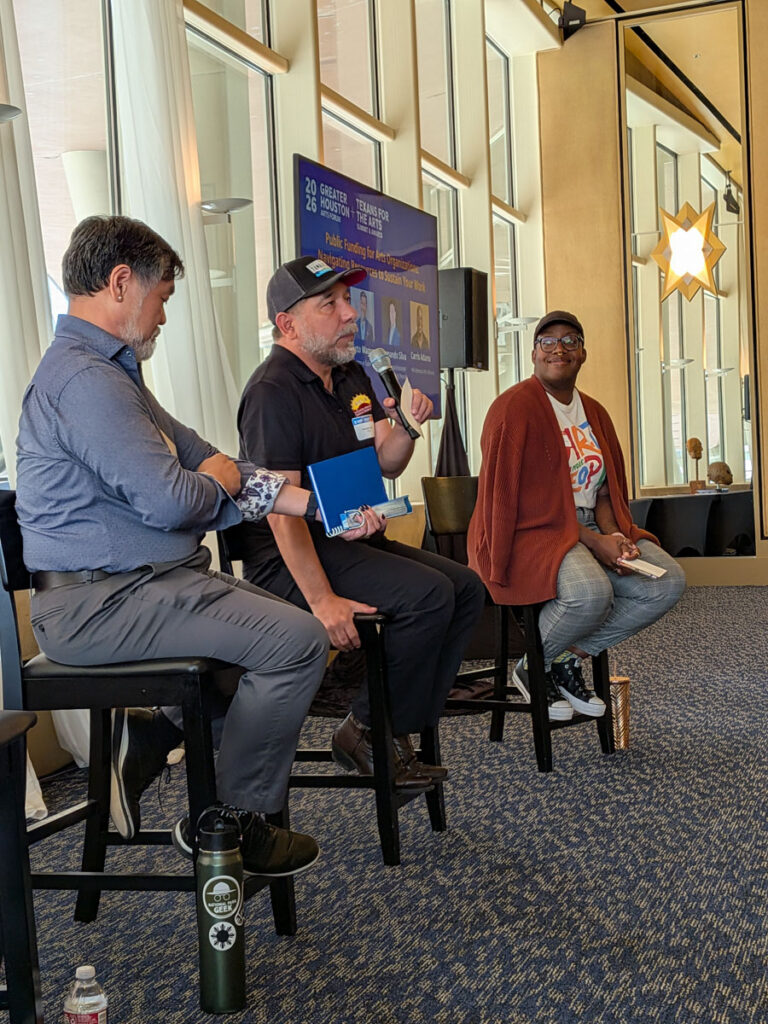
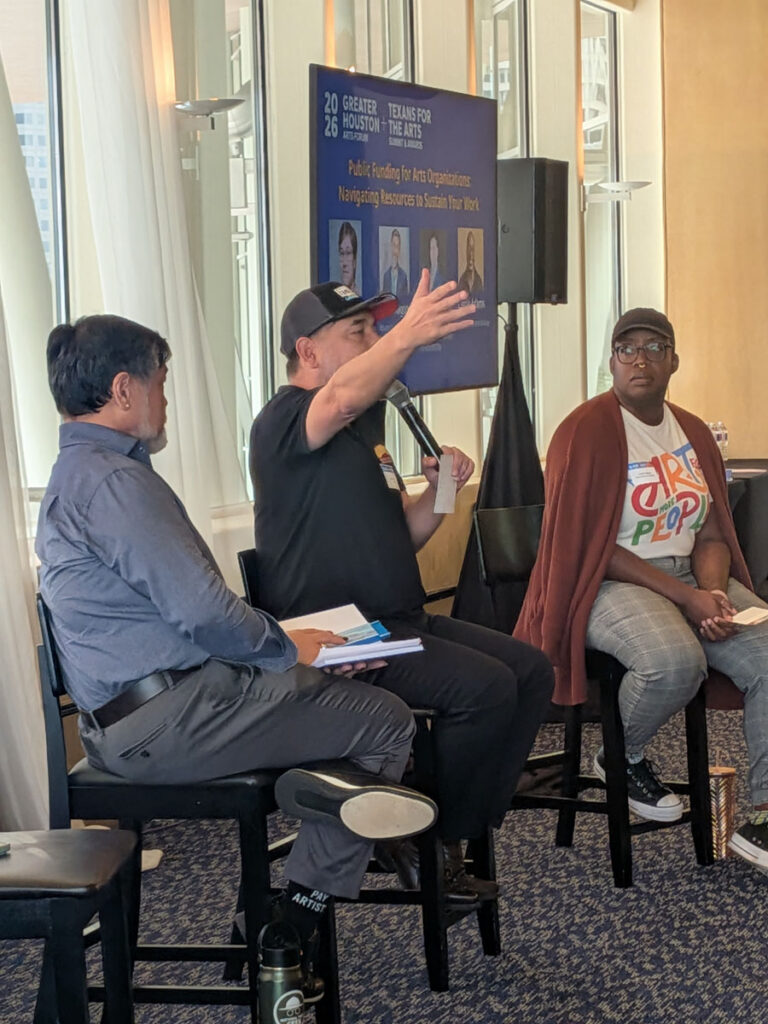
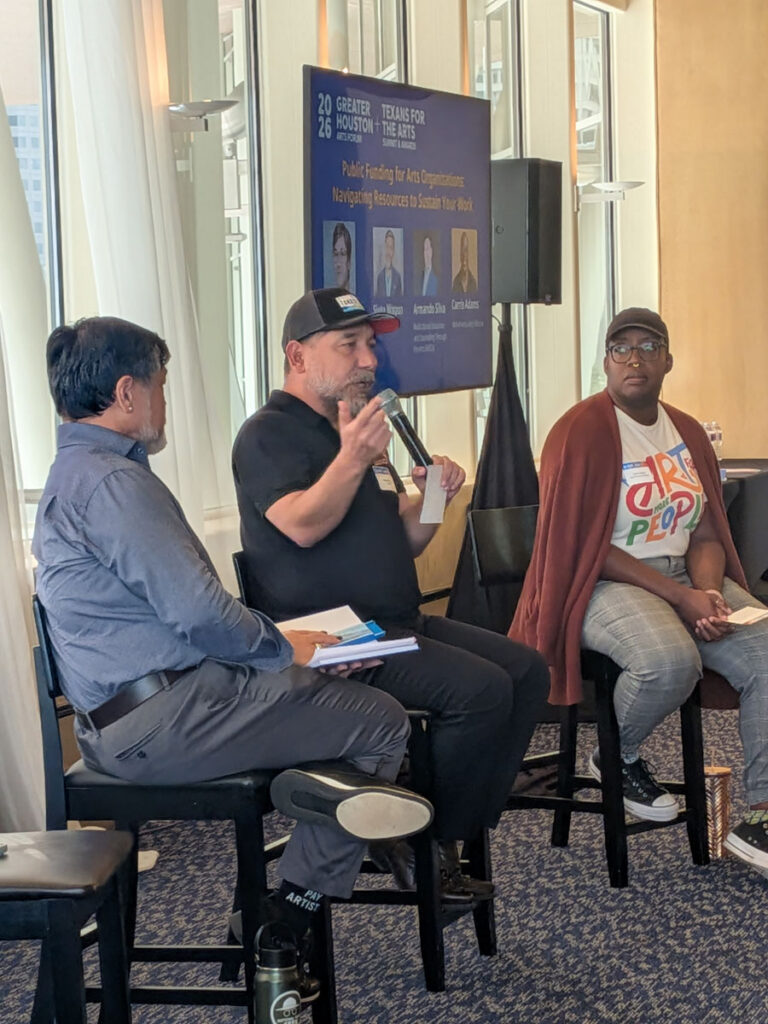
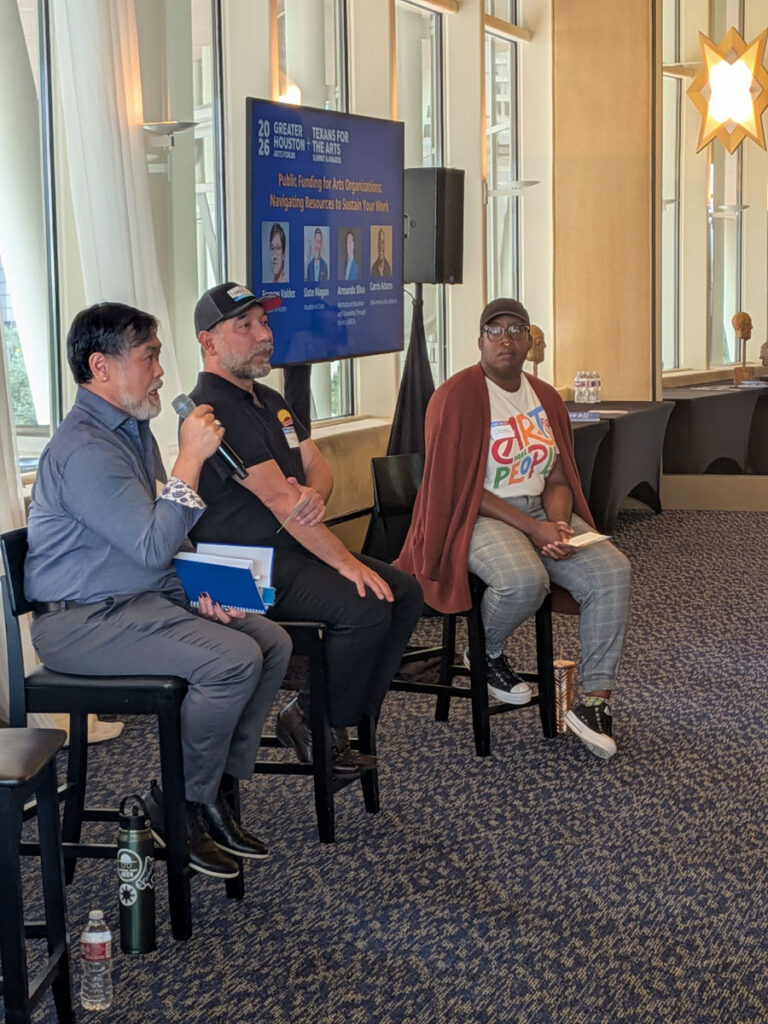
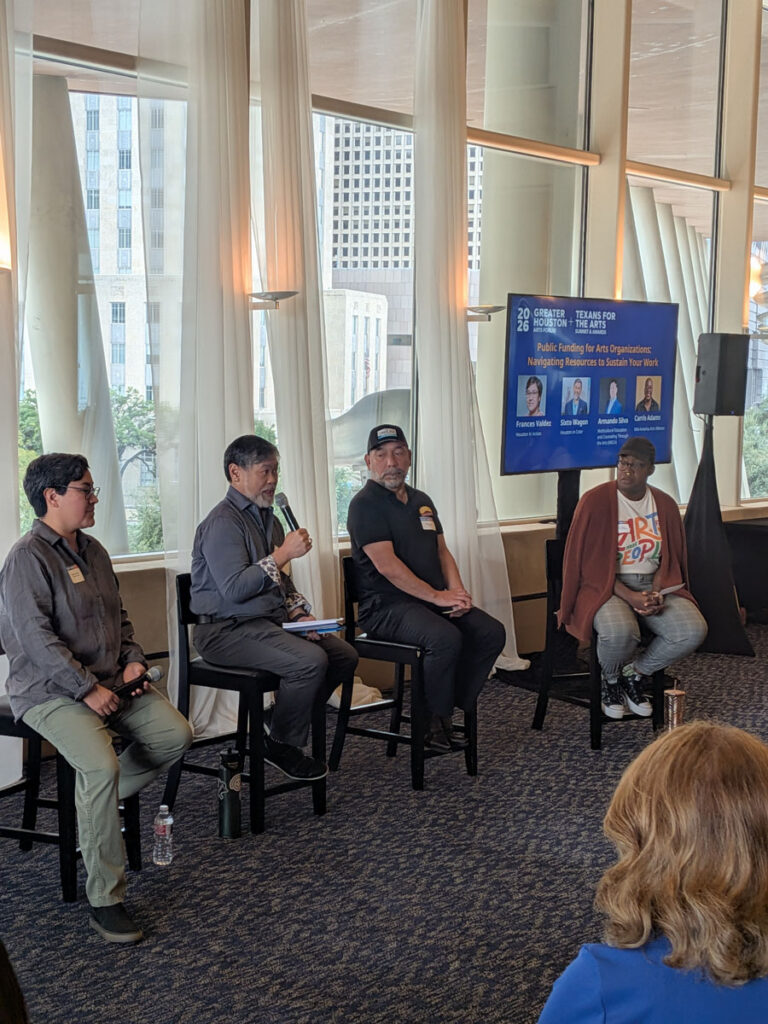
Understanding how public investment works is one of the most valuable skills an artist or arts organization can develop. Public Funding for Artists introduces participants to the ecosystem of local, state, federal, and public-private funding opportunities that support arts and culture. From municipal grants to state agencies to federal programs to management districts, this session provides a practical roadmap for identifying the right funding opportunities and building long-term sustainability.
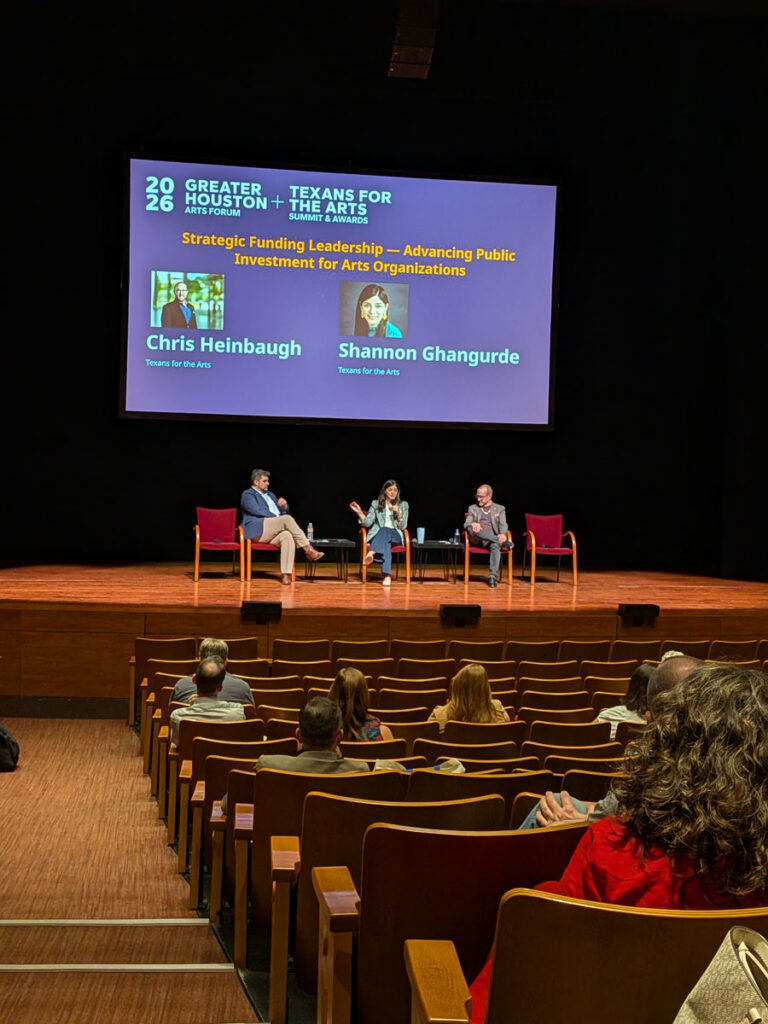
In this session participants will engage in candid conversations about what it takes to build strong, sustainable relationships and position an organization for long-term investment. The conversation will emphasize that building a sustainable organization requires more than securing the next grant. It requires developing relationships, strengthening organizational infrastructure, understanding available resources, communicating impact, and positioning the organization as a valuable long-term community partner.
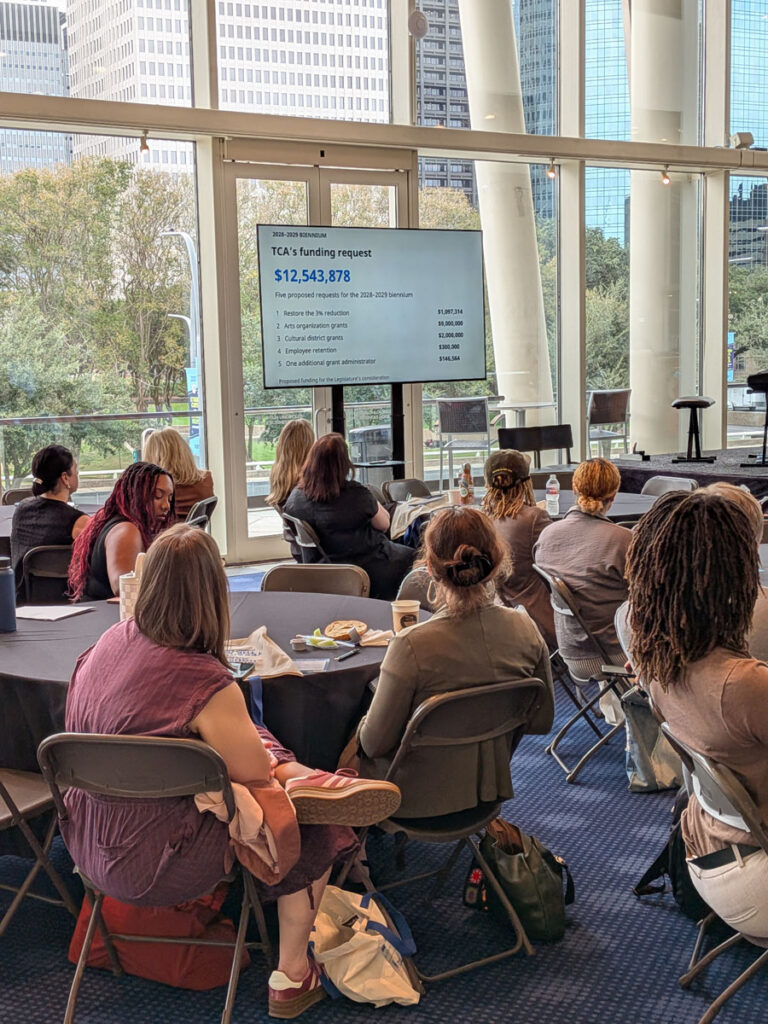
The 90th Legislative Session is upon us, and it is vital that we take a moment to look at the political landscape we are entering in order to craft a winning message for increased appropriations to our state arts agency, The Texas Commission on the Arts. Join TFA’s leadership and government strategist to talk about the Texas legislature’s goals for the 90th—centered around budget cuts and tax relief—and what it means for how we engage with our elected officials as we seek more financial support for the sector, not less.
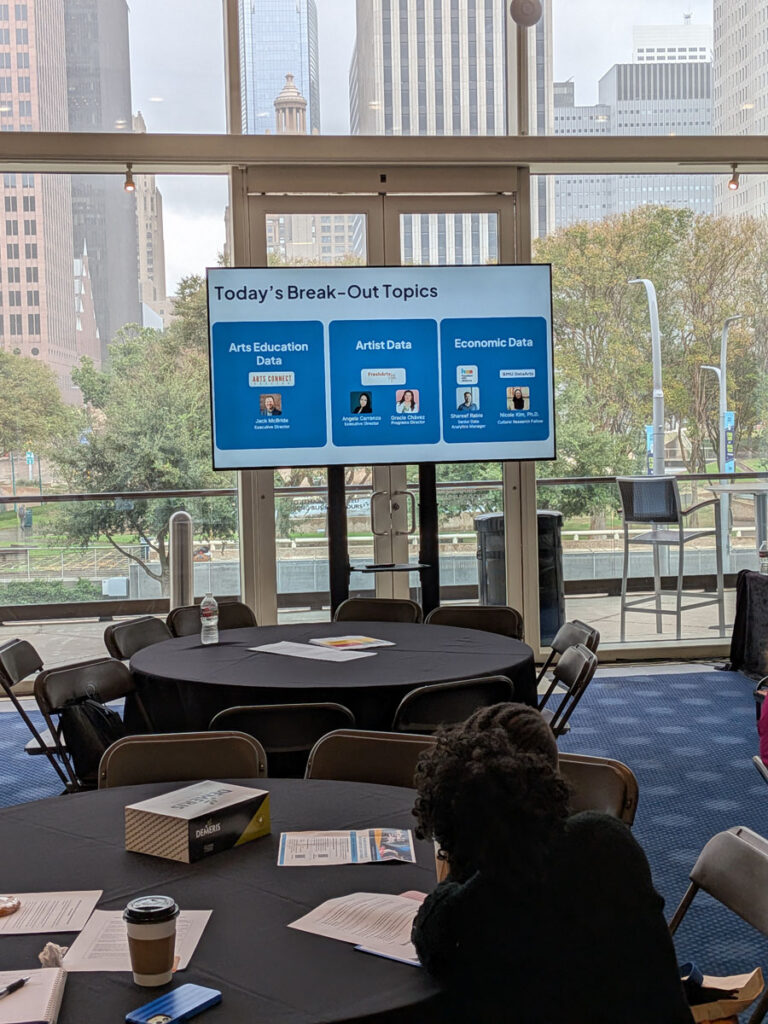
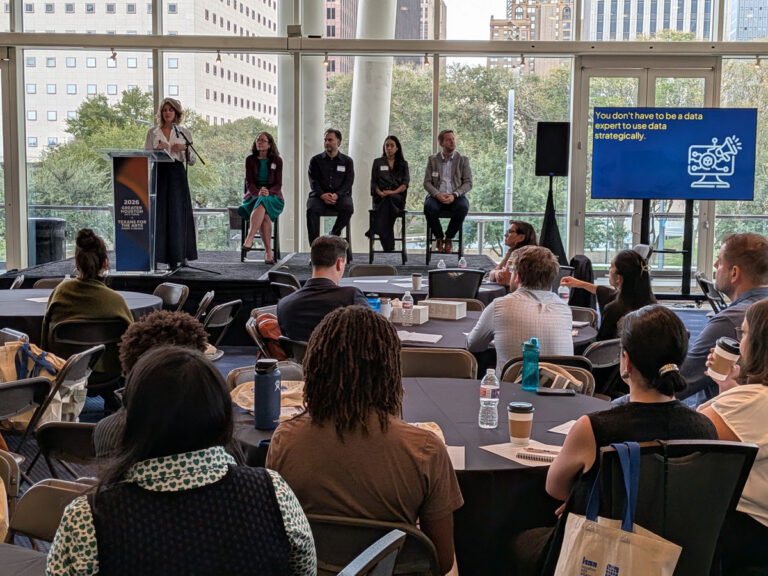
Data can be a powerful tool for communicating the value of arts and culture—but only when it is connected to the story you are trying to tell. In this hands-on session, participants will explore how to combine the information their organizations already collect with broader arts and cultural research to strengthen claims about their programs, impact and community value. Drawing on local and national research, participants will practice identifying data that can demonstrate impact, provide context and benchmarks, highlight a need or opportunity and strengthen a case for support or action. Participants will leave with practical strategies for activating their data to communicate more effectively with funders, partners, community members and other stakeholders.
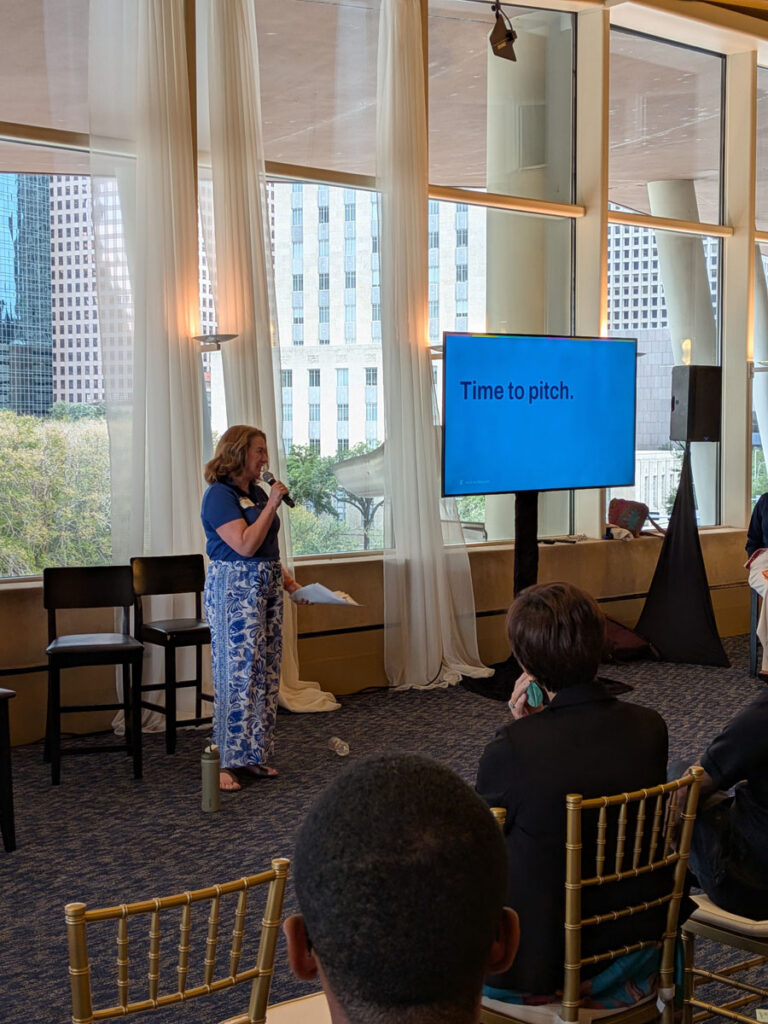
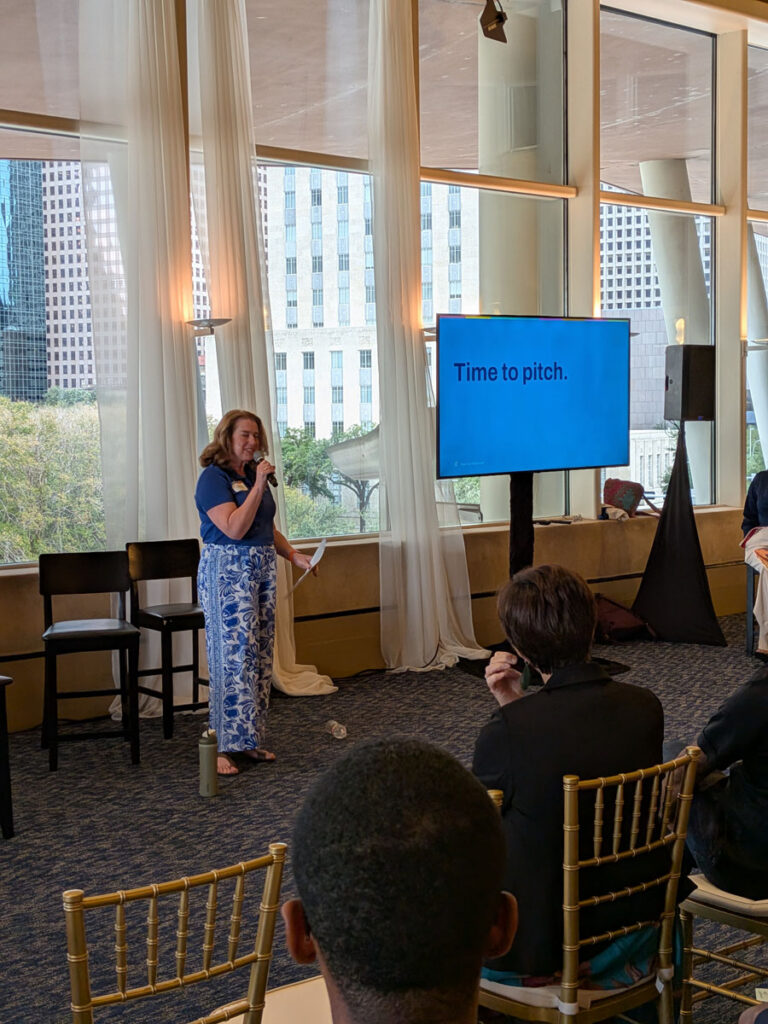
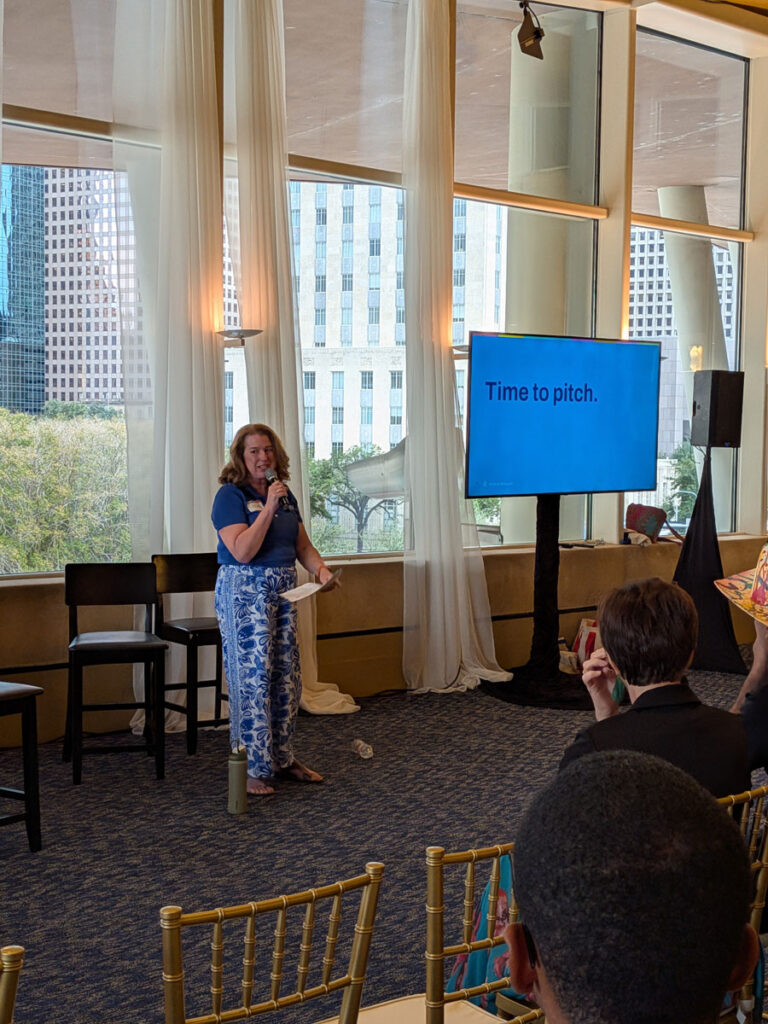
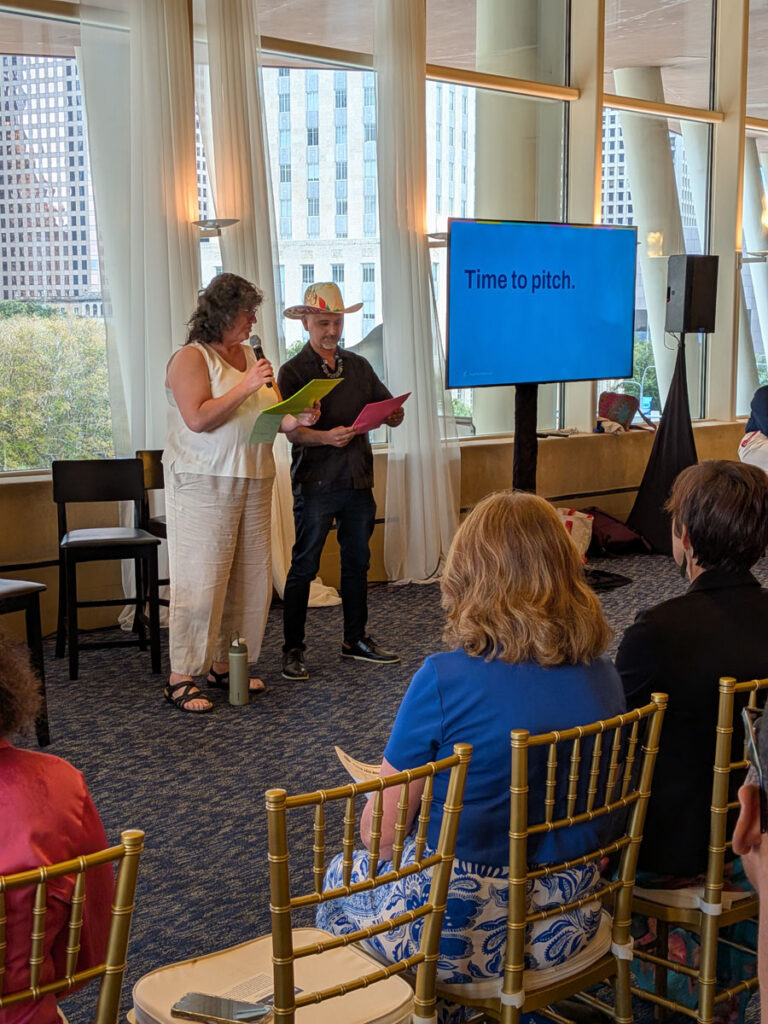
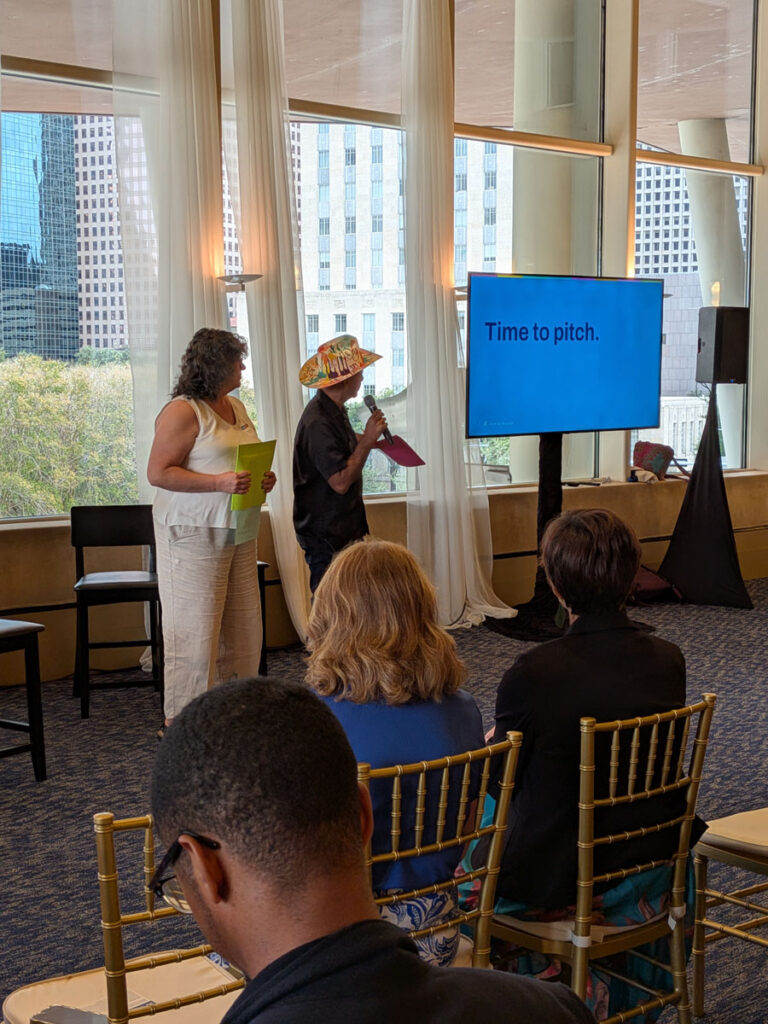
This session borrows hackathon-style ideation from the tech world and applies it to arts communications—bringing new audience data, messaging trends, and framework thinking, then splitting into groups (institutions, indie producers, festivals, municipal/cultural district orgs) to work live toward bigger impact, more audiences, more funding, and more connection, curveballs included. We’ll close with quick pitches from each group—ideas we hope have real potential to become reality.
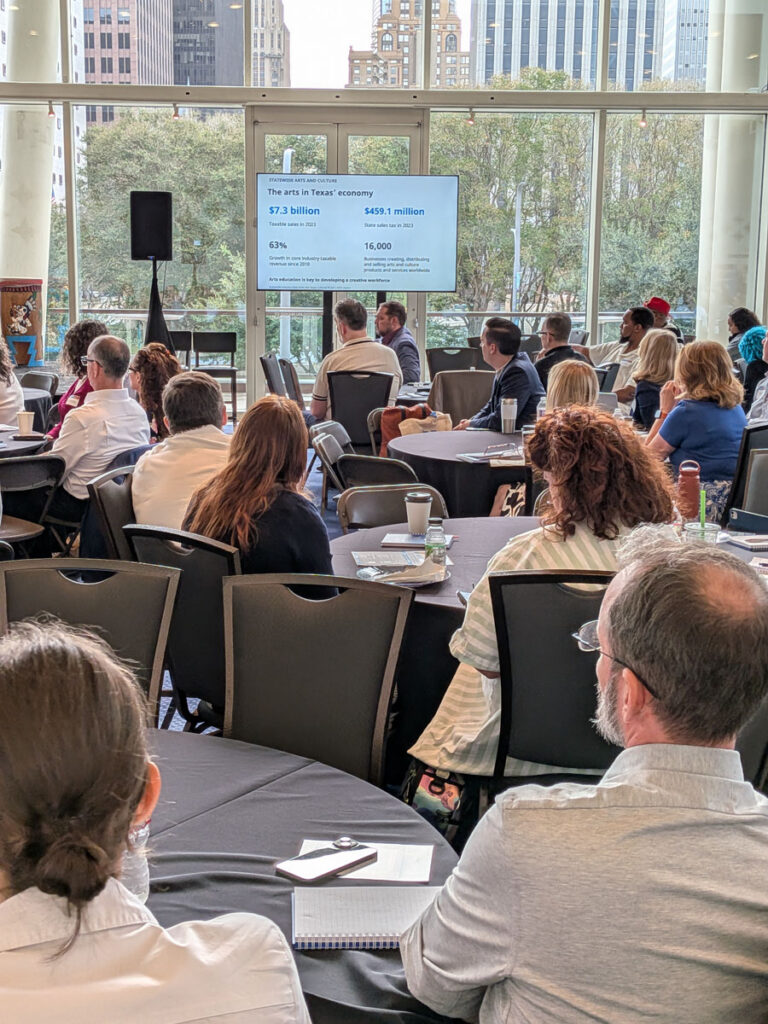
One of the most important mechanisms we have for public investment in the arts is the Municipal Hotel Occupancy Tax. Come together with arts leaders from across the state to examine the impact that the arts have on cultural tourism and the hotel industry here in Texas, and discuss innovative ways to demonstrate the valuable role the sector plays as an “allowable use” for these funds. Hearing from other leaders, the goal is to inspire new ways to define and celebrate the sector’s economic impact on the tourism and hotel industries and examine best practices across the state around the use of these critical funds.
The evening features live music by Kam Franklin and Sunny Sauceda y Todo Eso — GRAMMY Award-winning expressive accordion playing and spirited Tejano music from San Antonio.
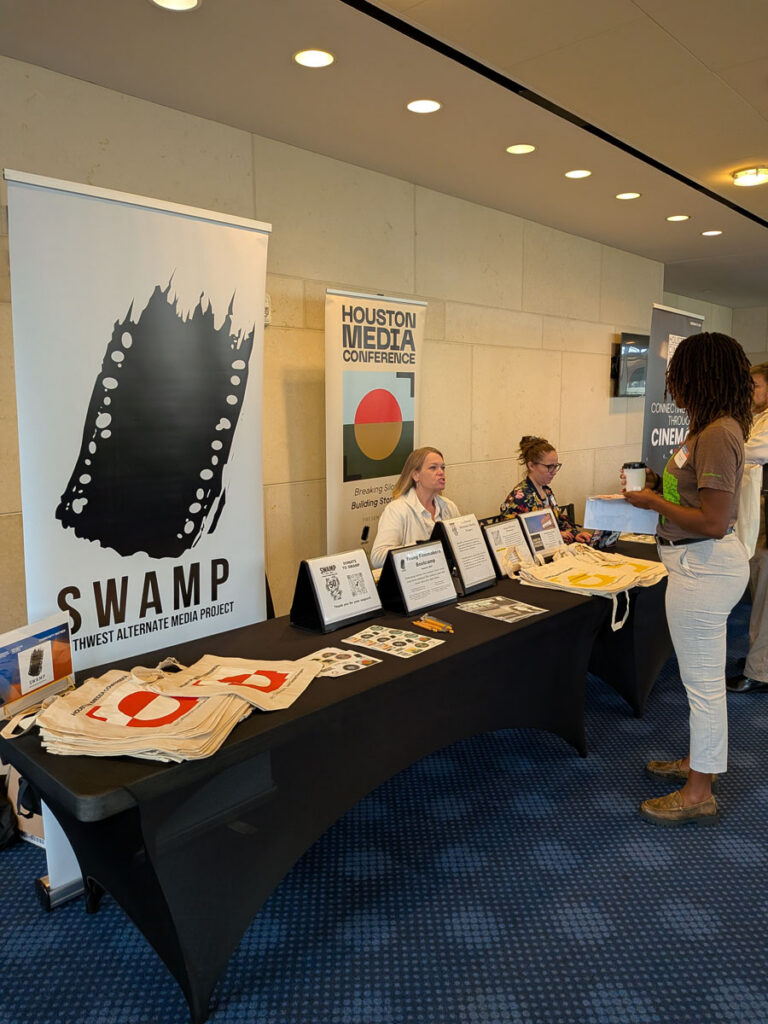
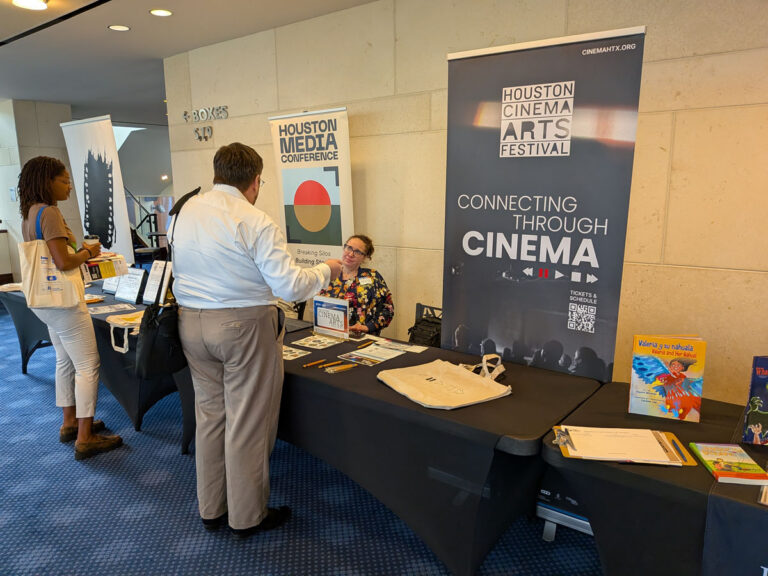
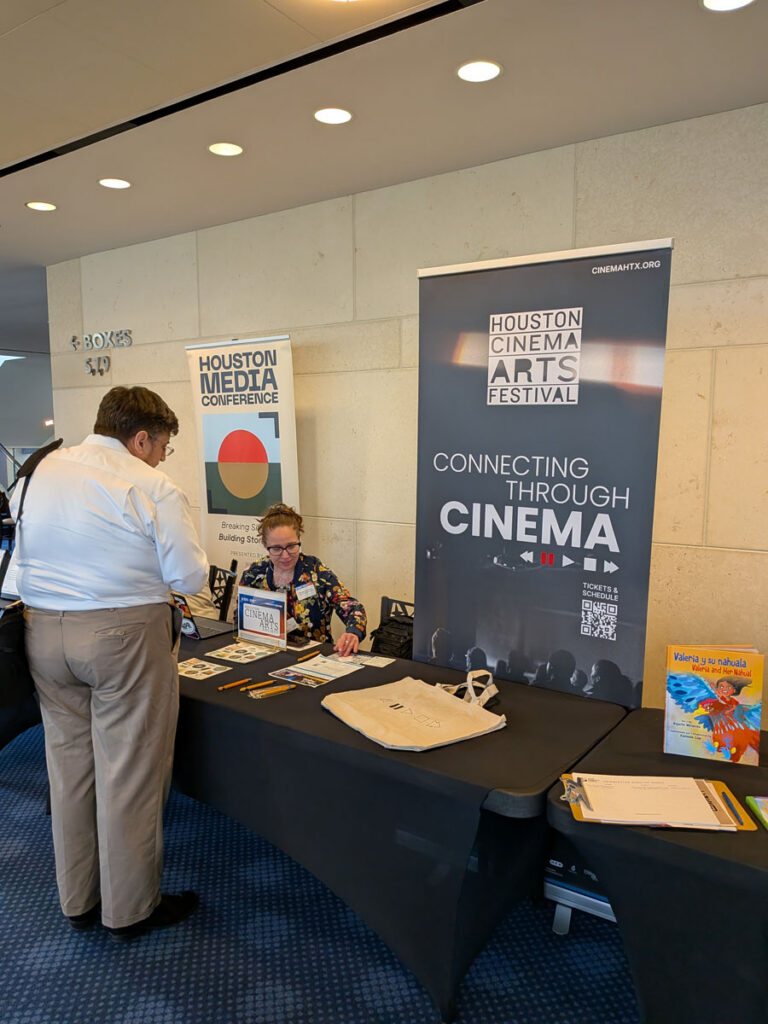
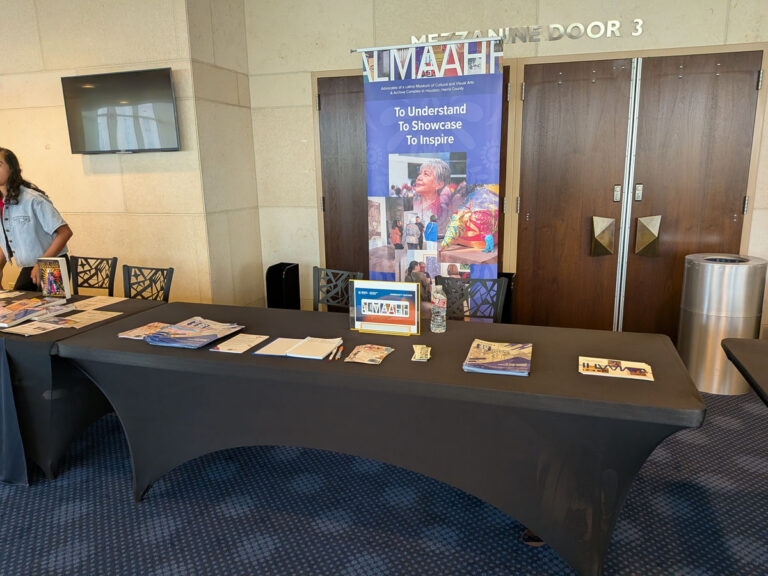
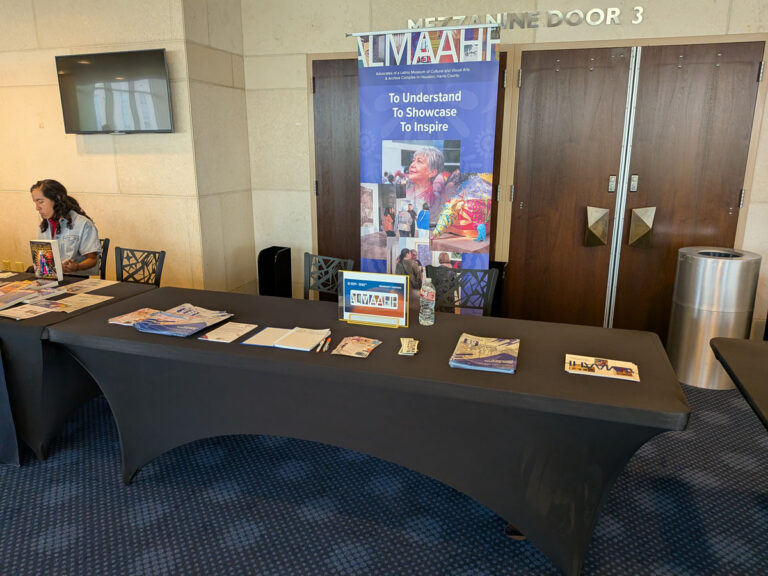
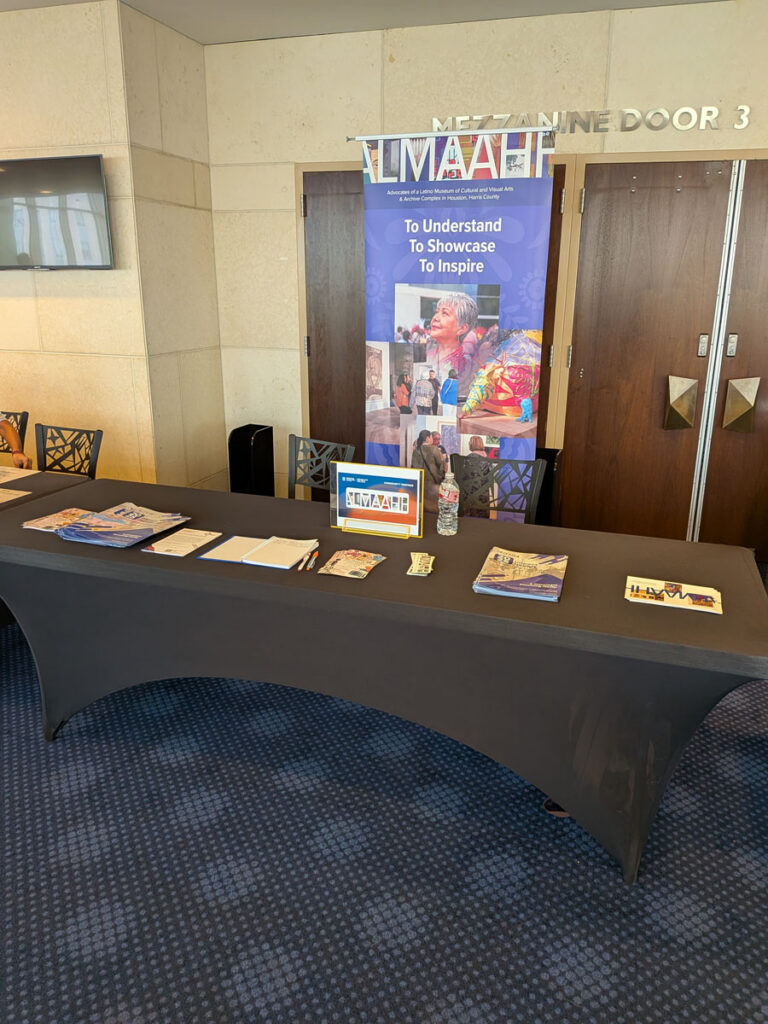
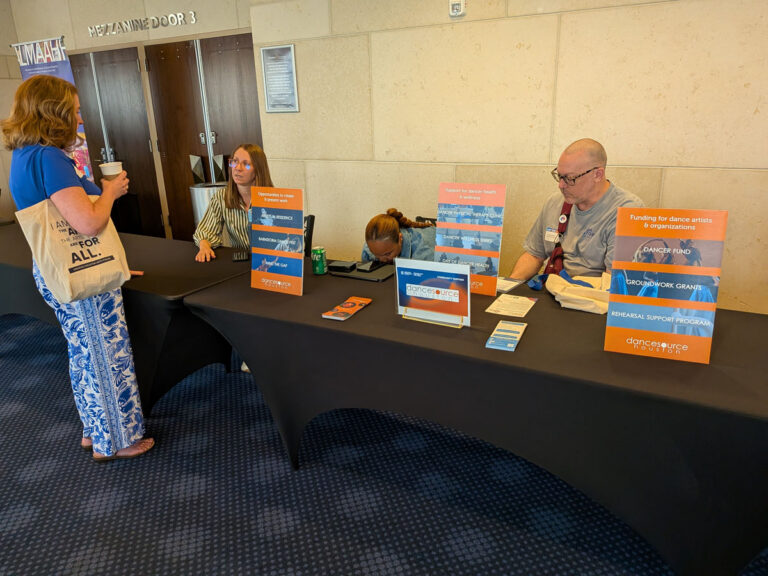
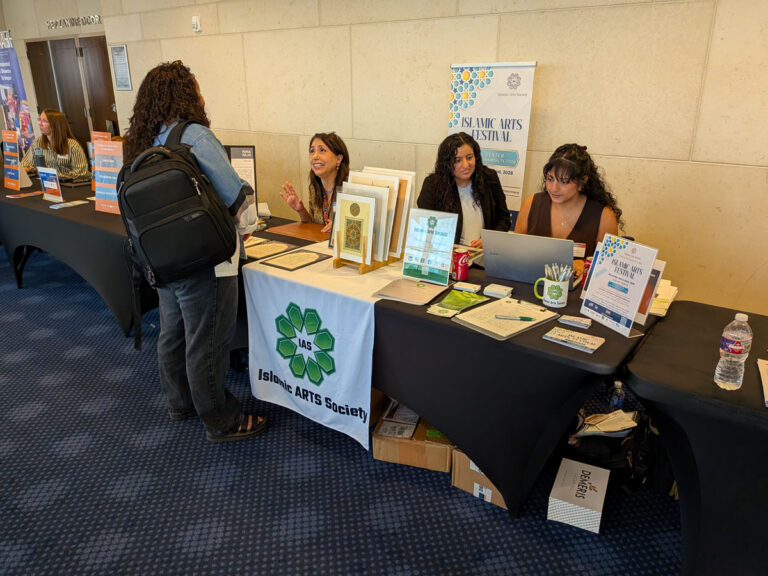
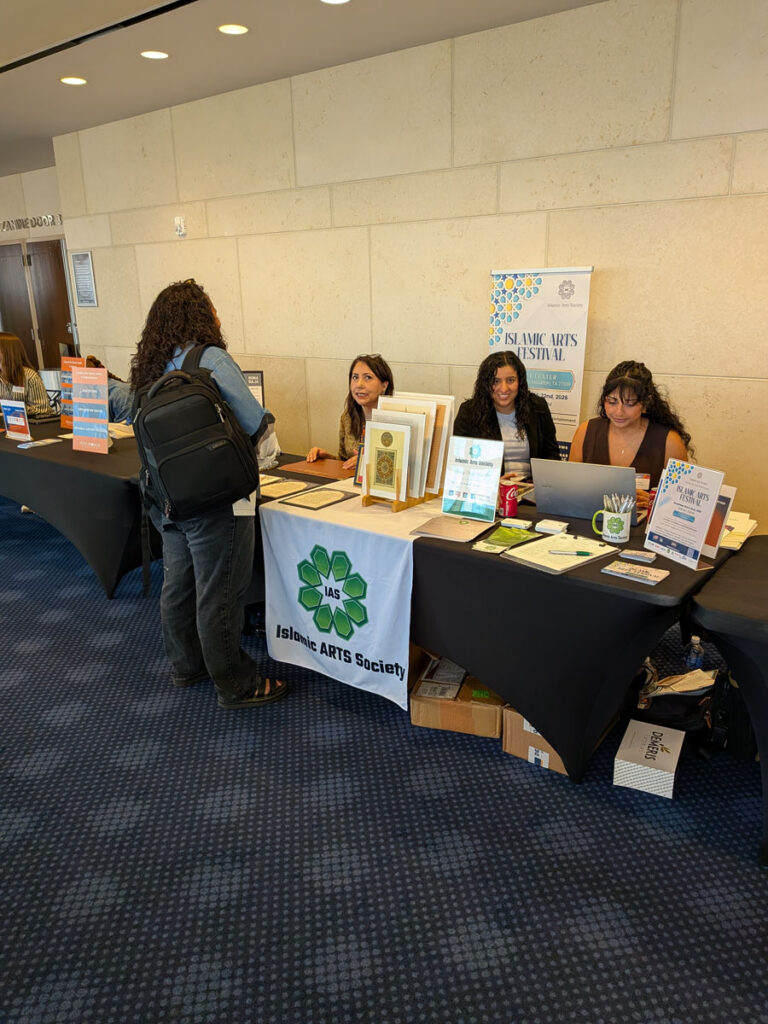
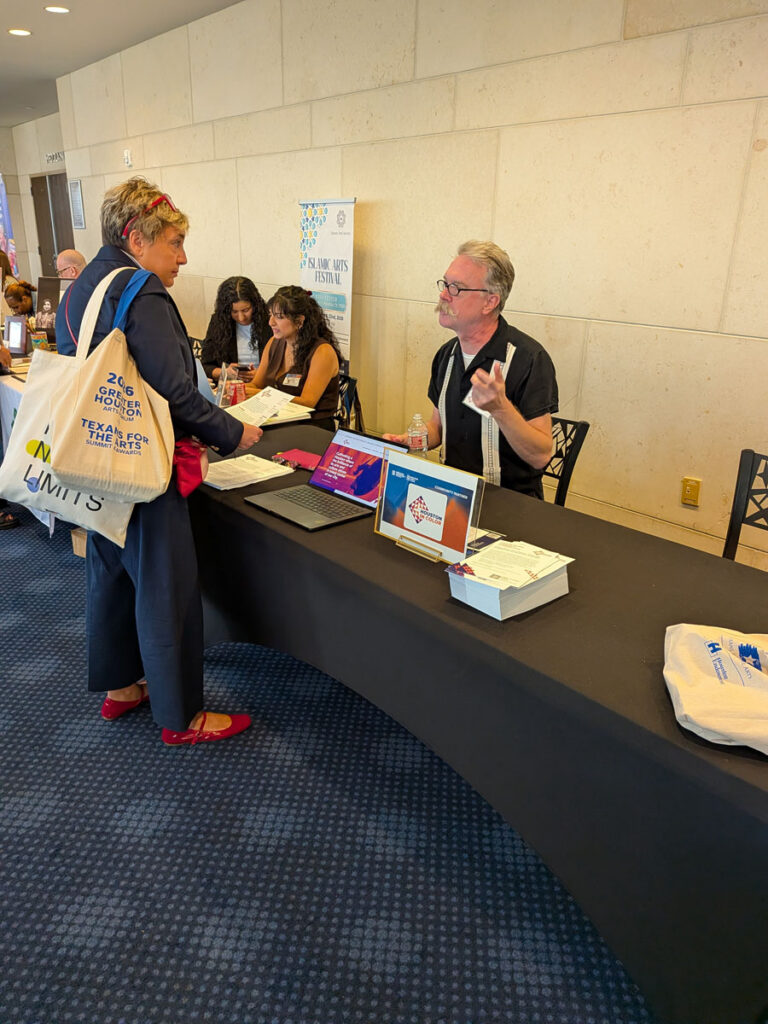
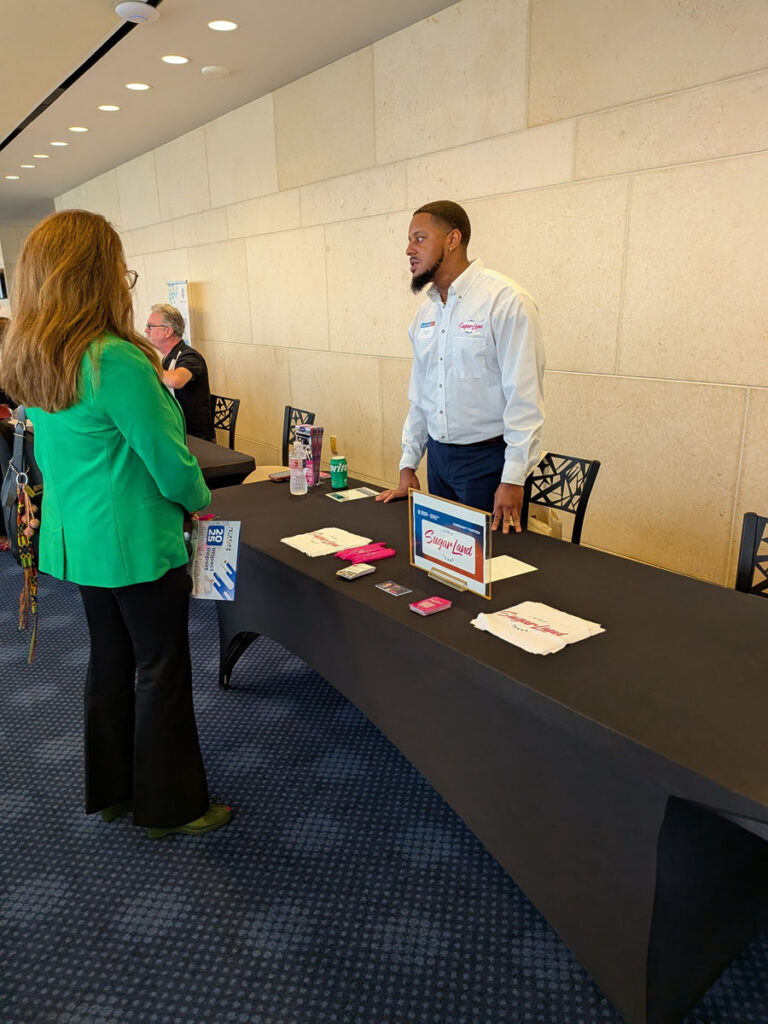
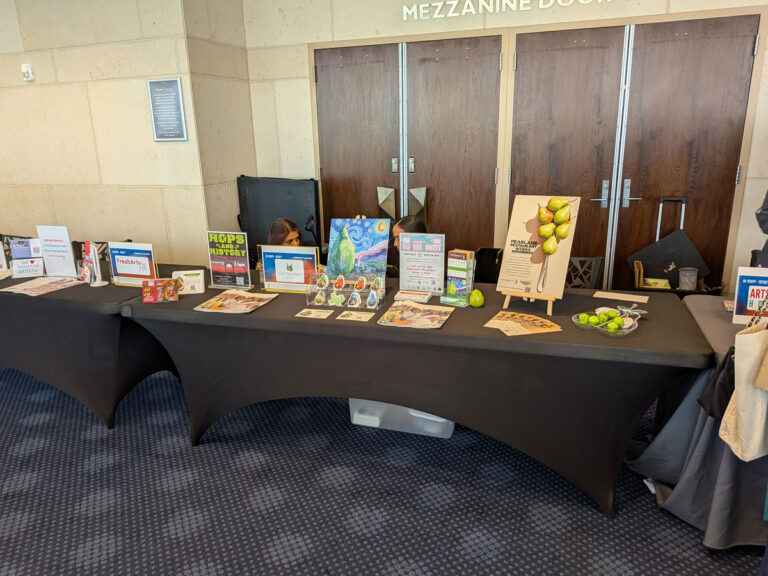
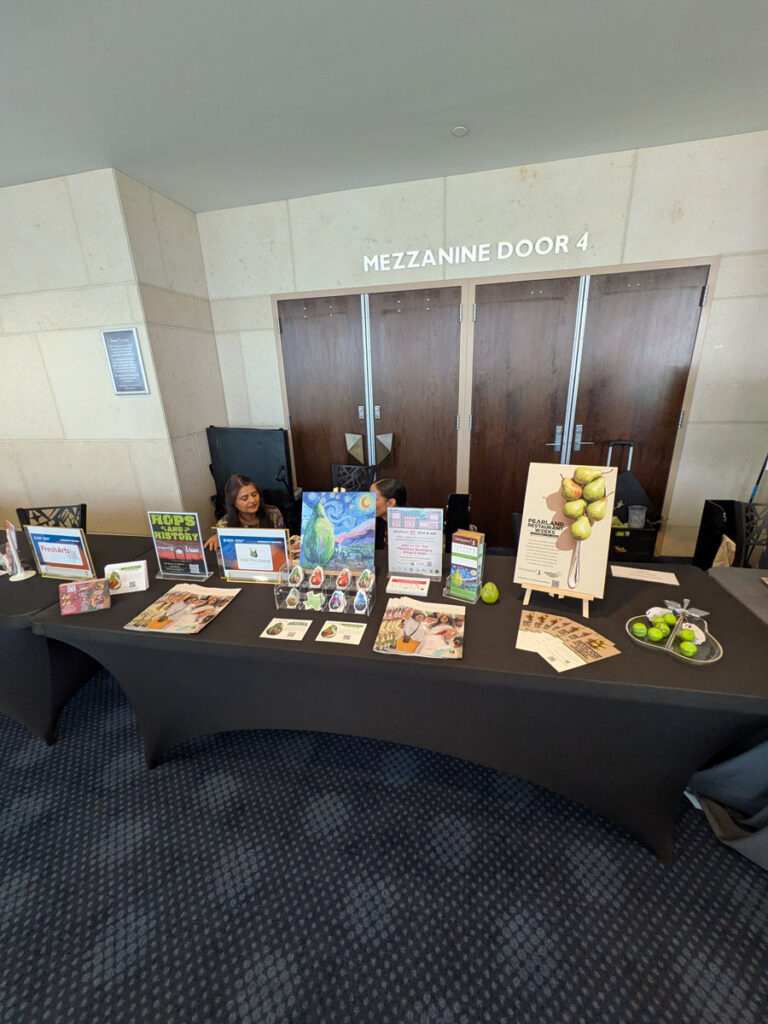
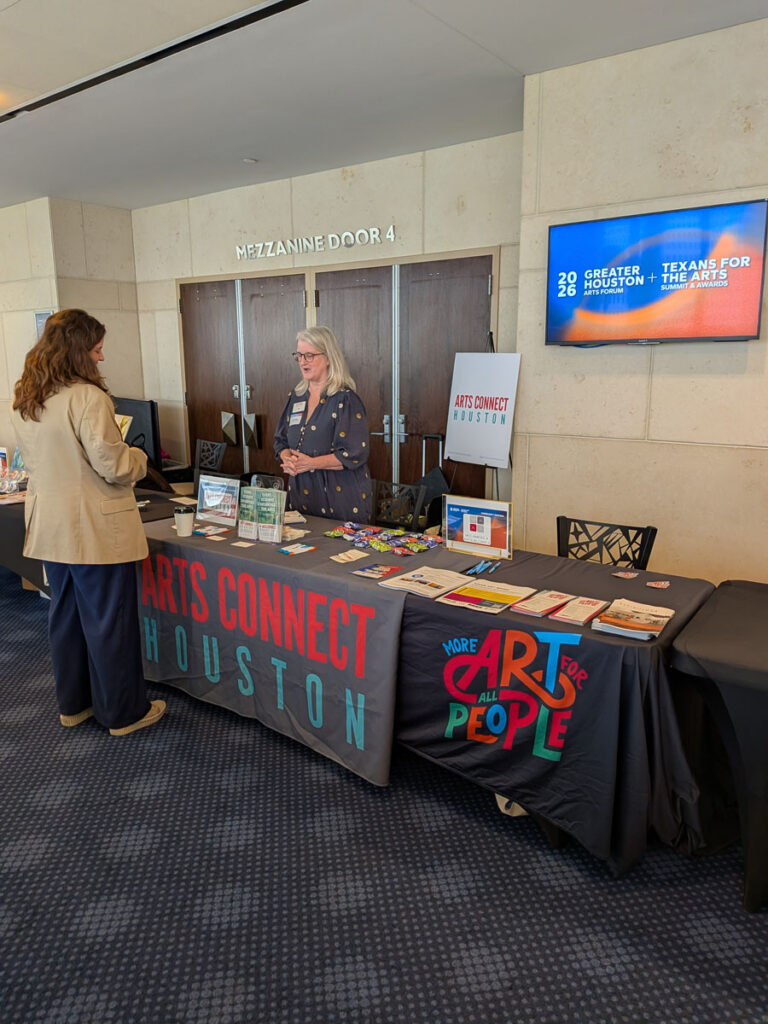
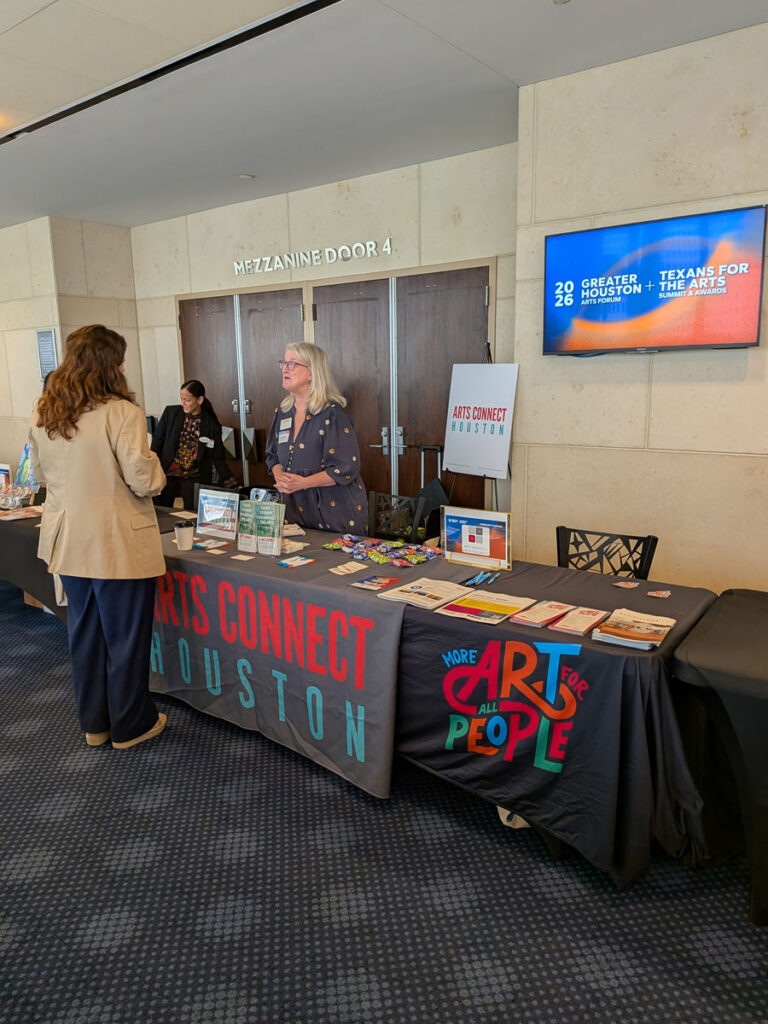


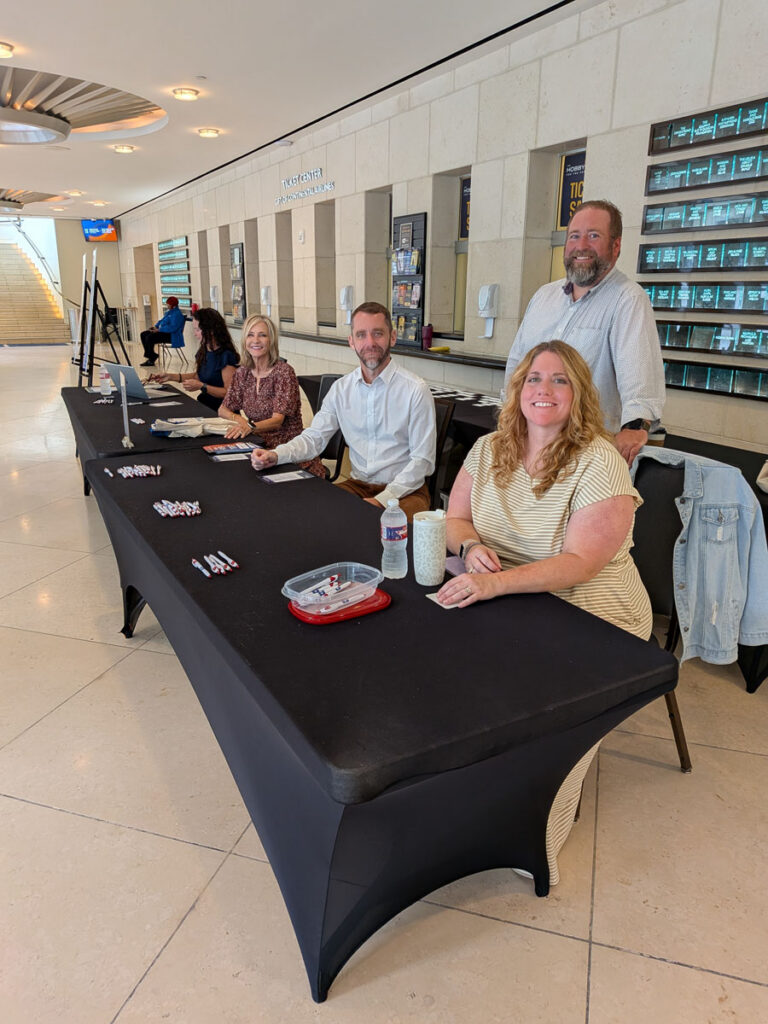
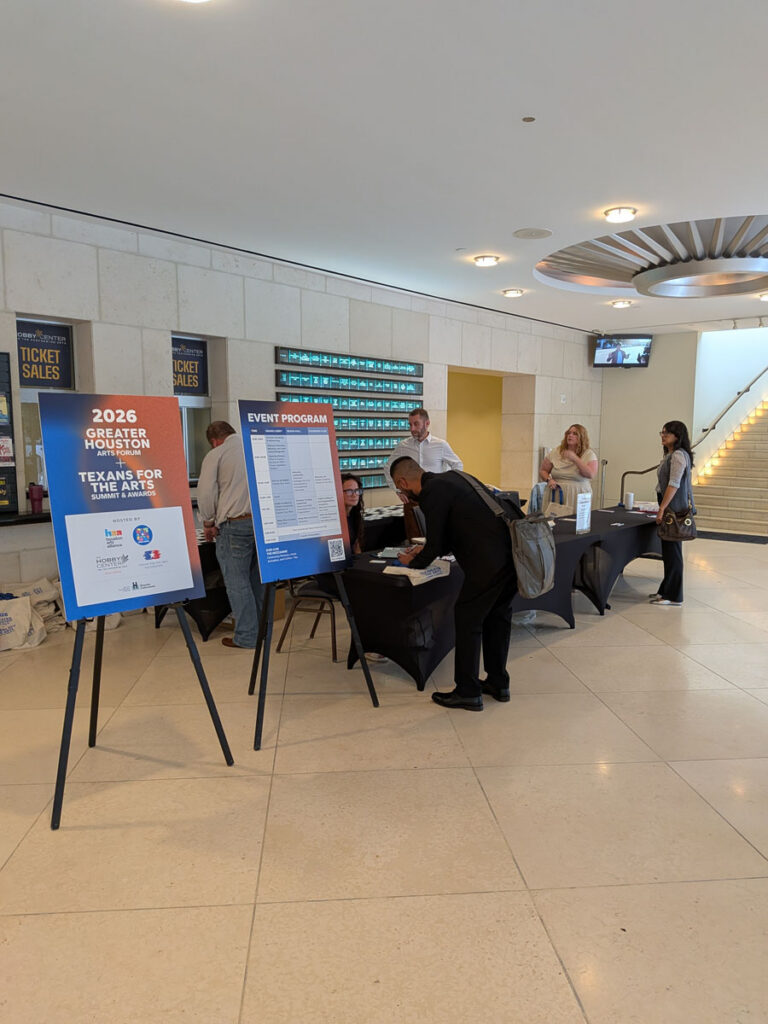
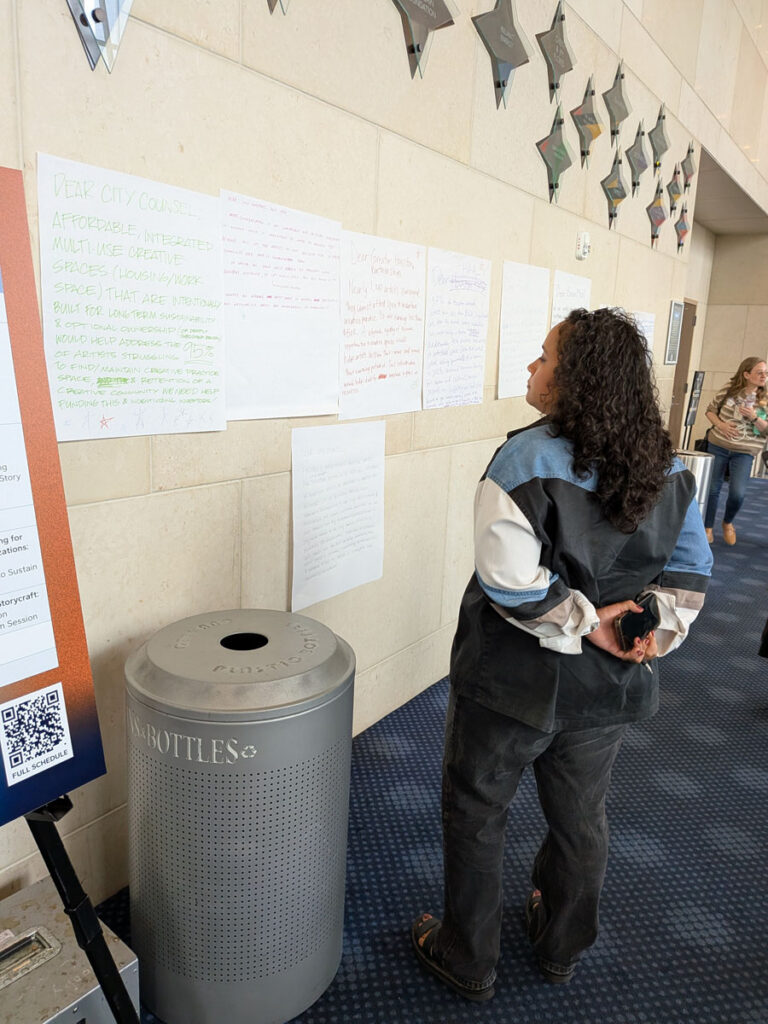
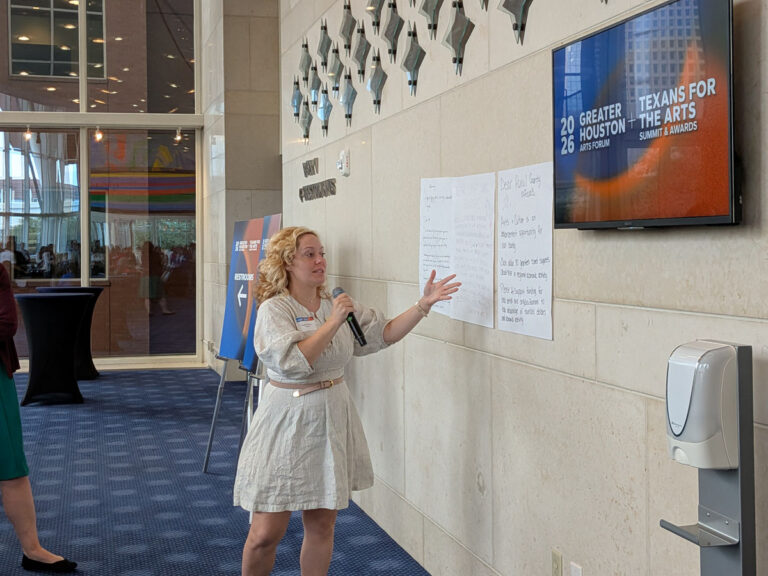
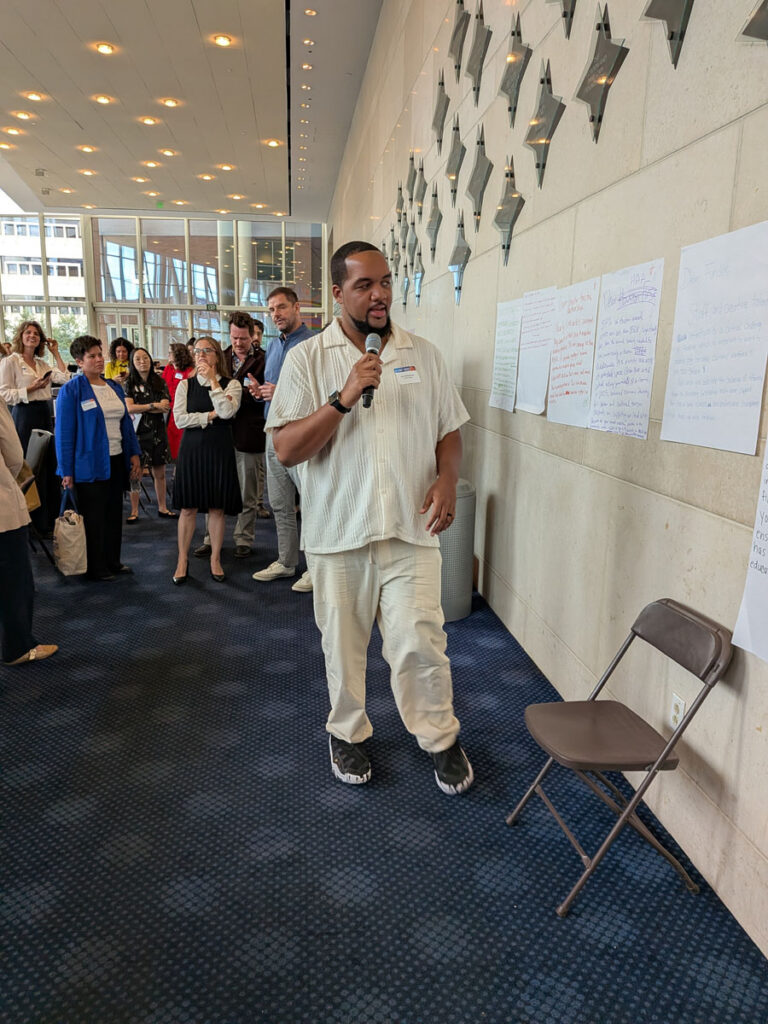
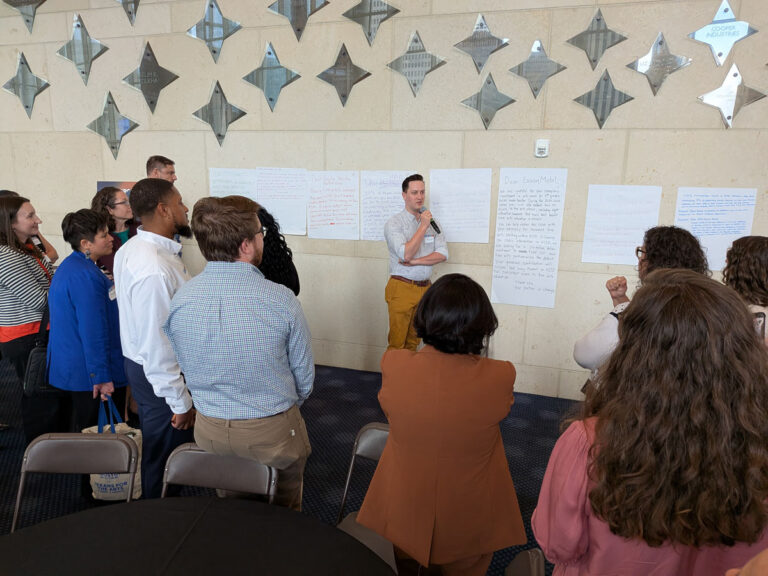
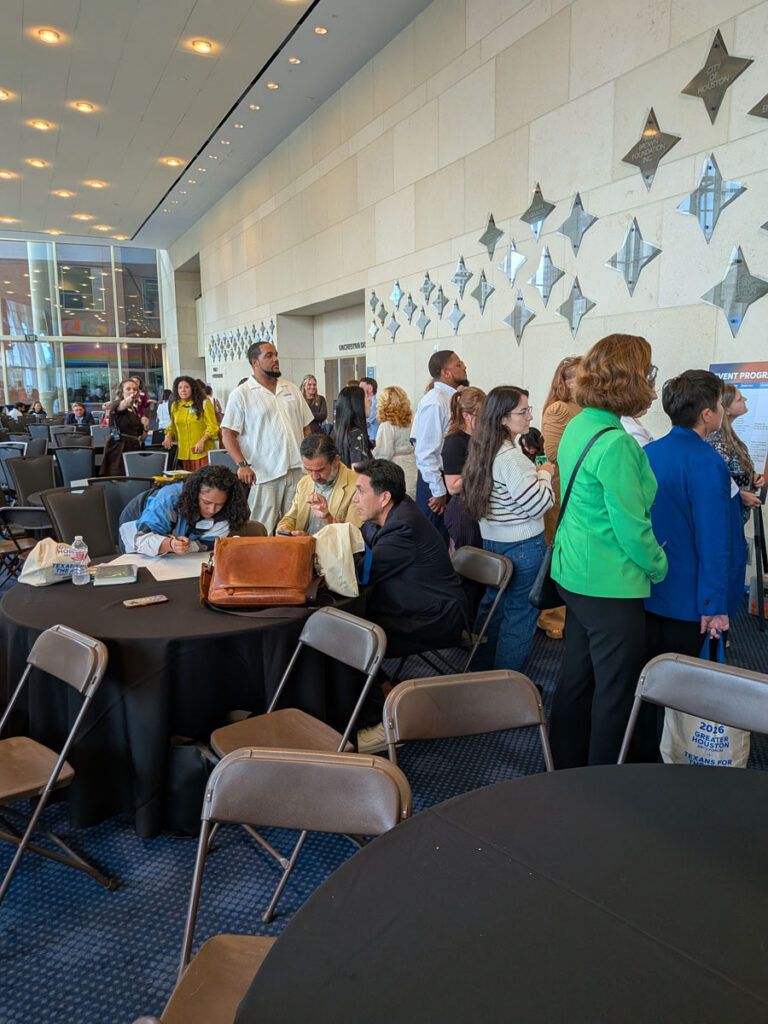
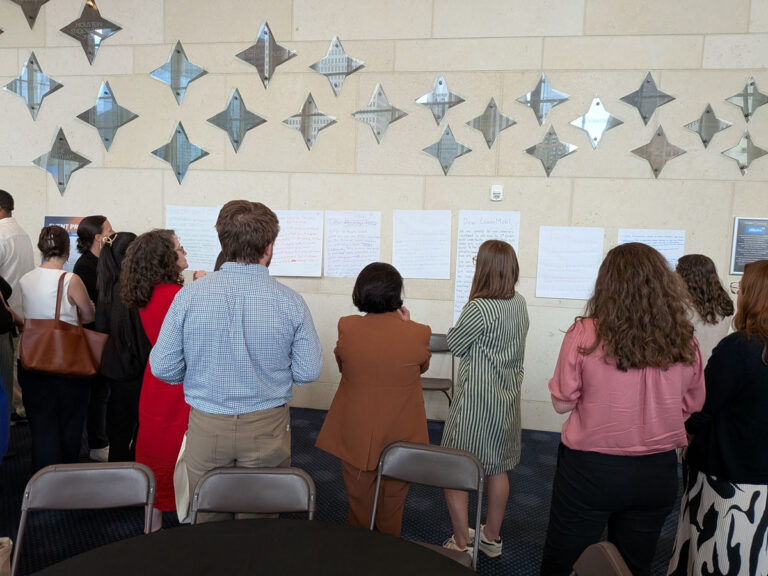
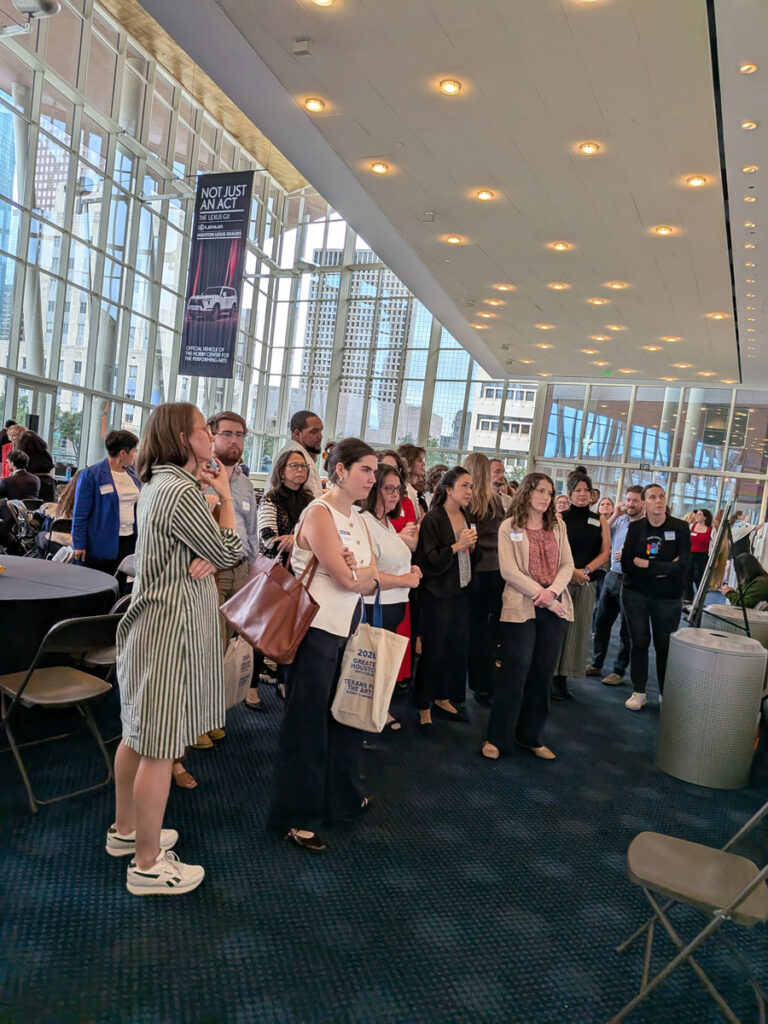
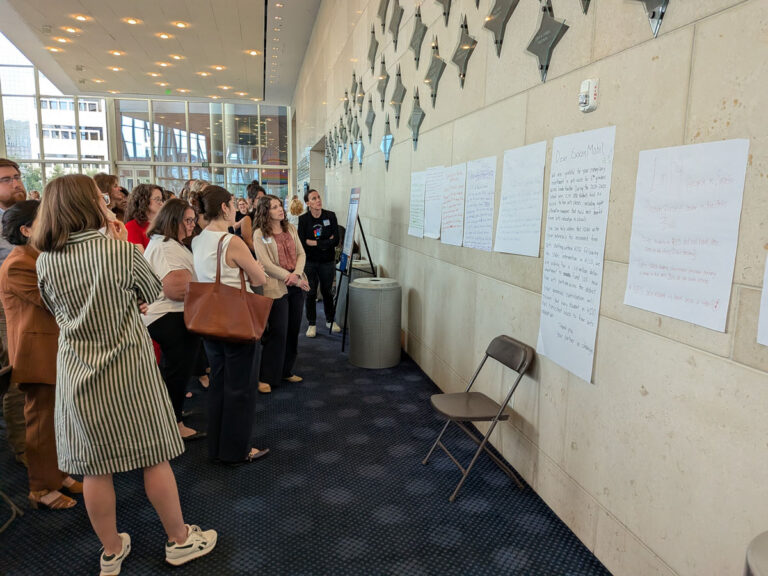
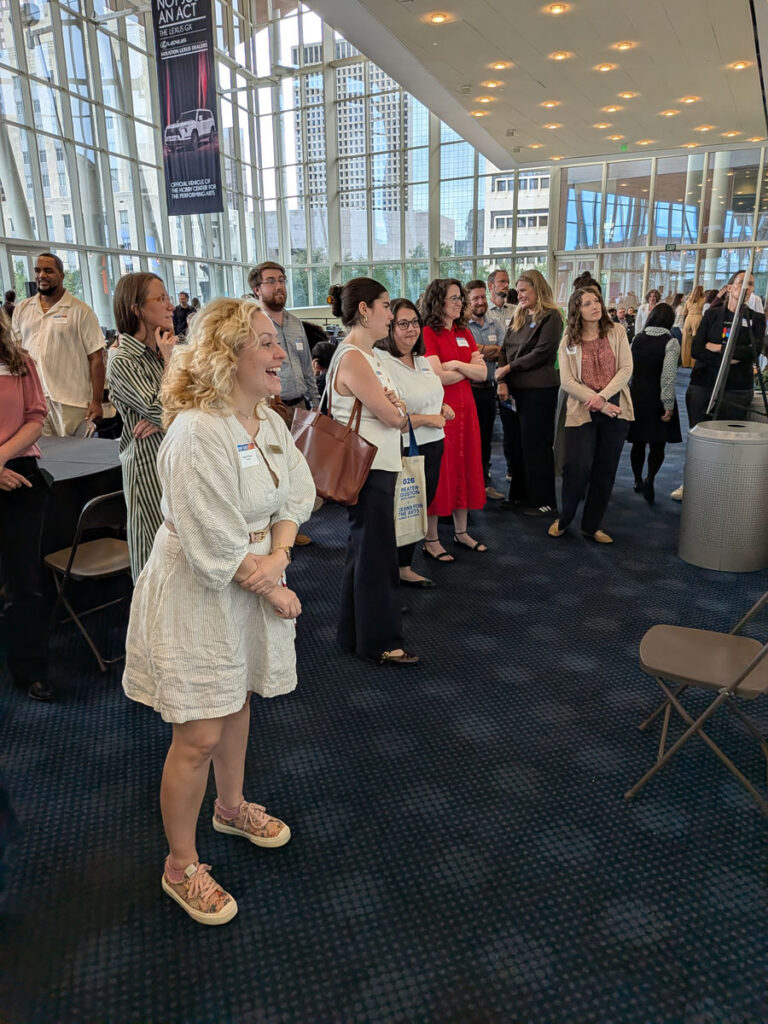
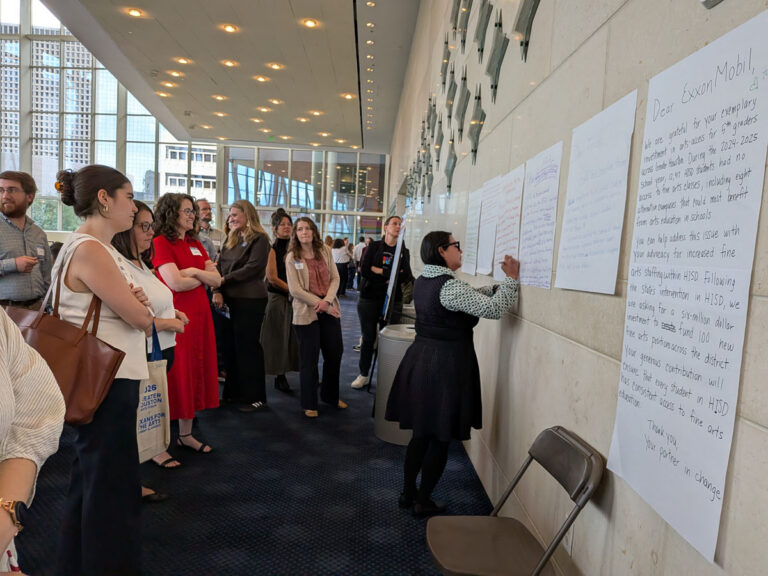
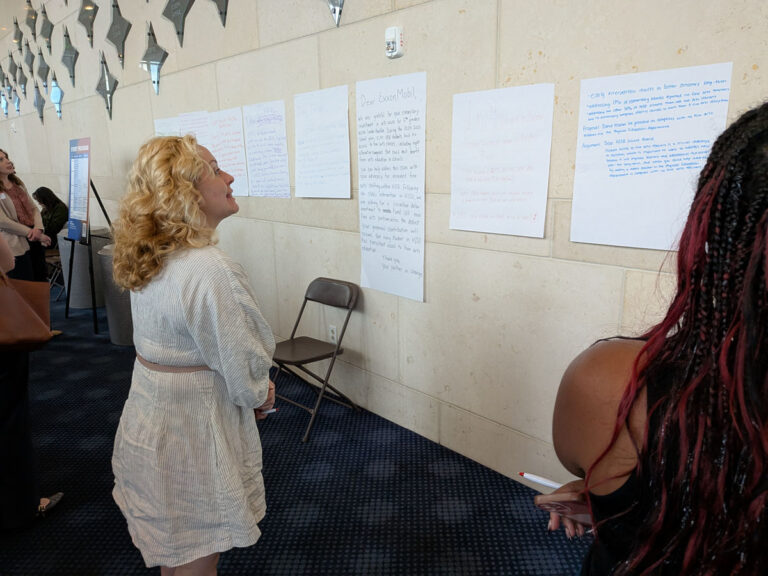
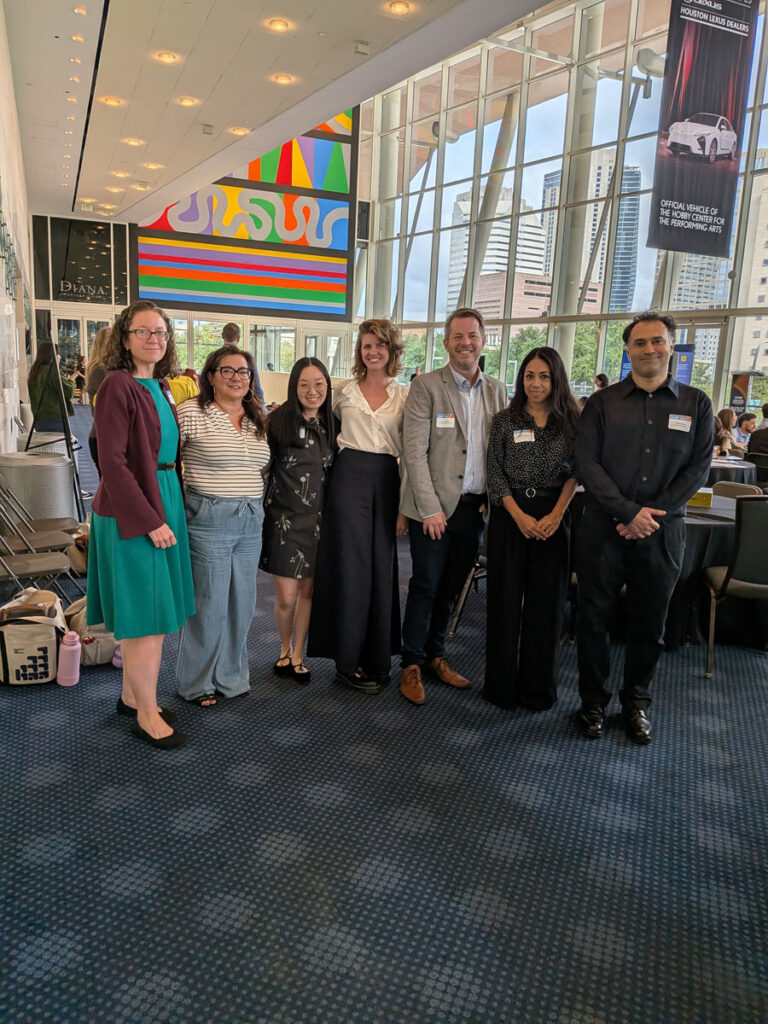
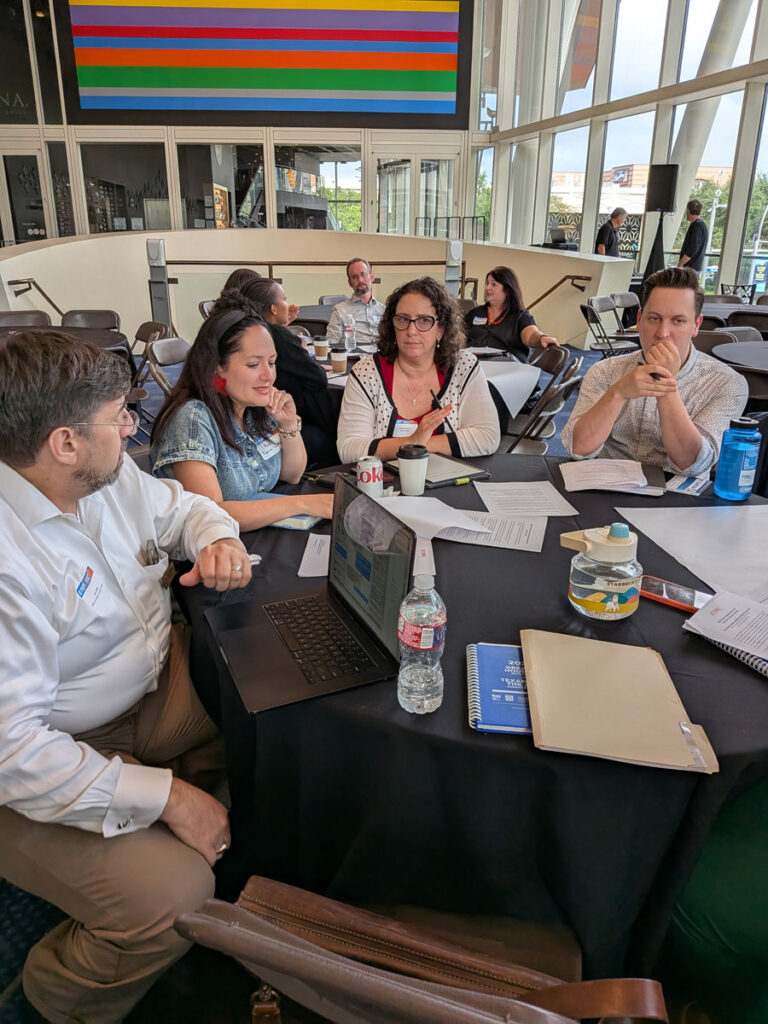
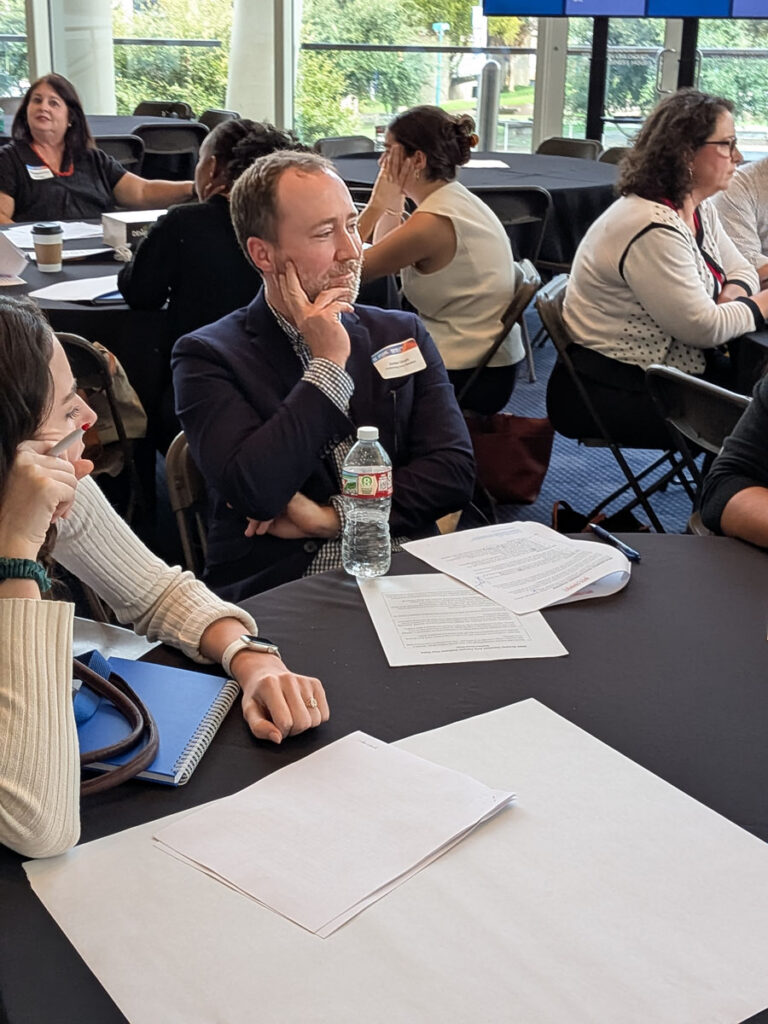
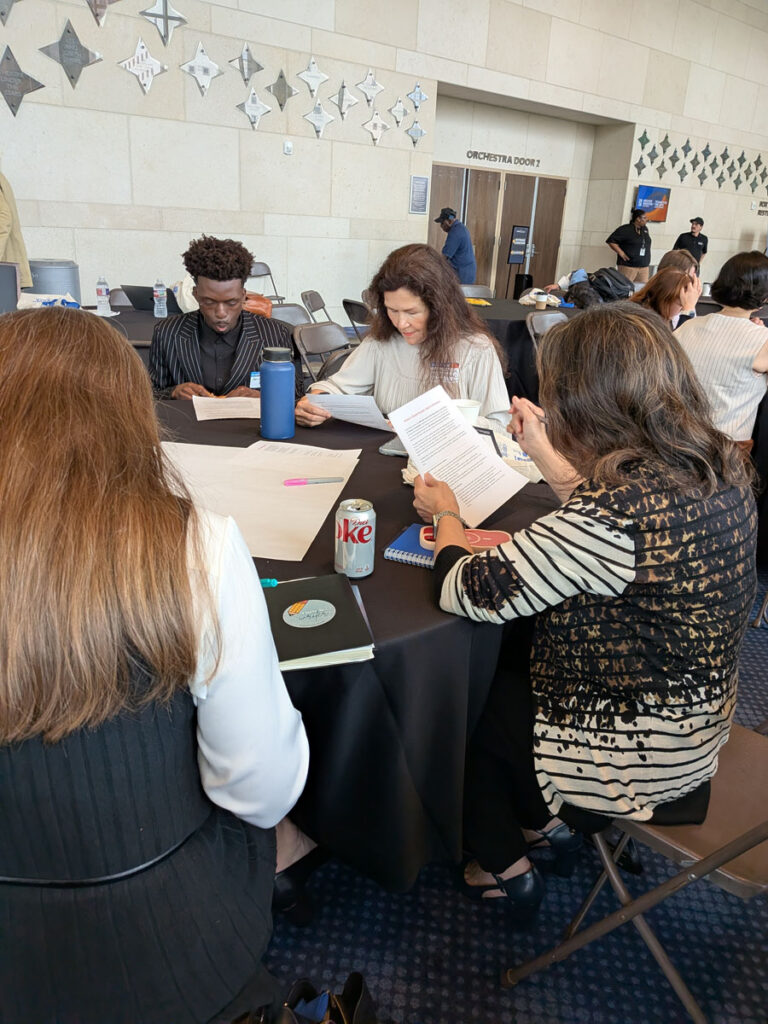
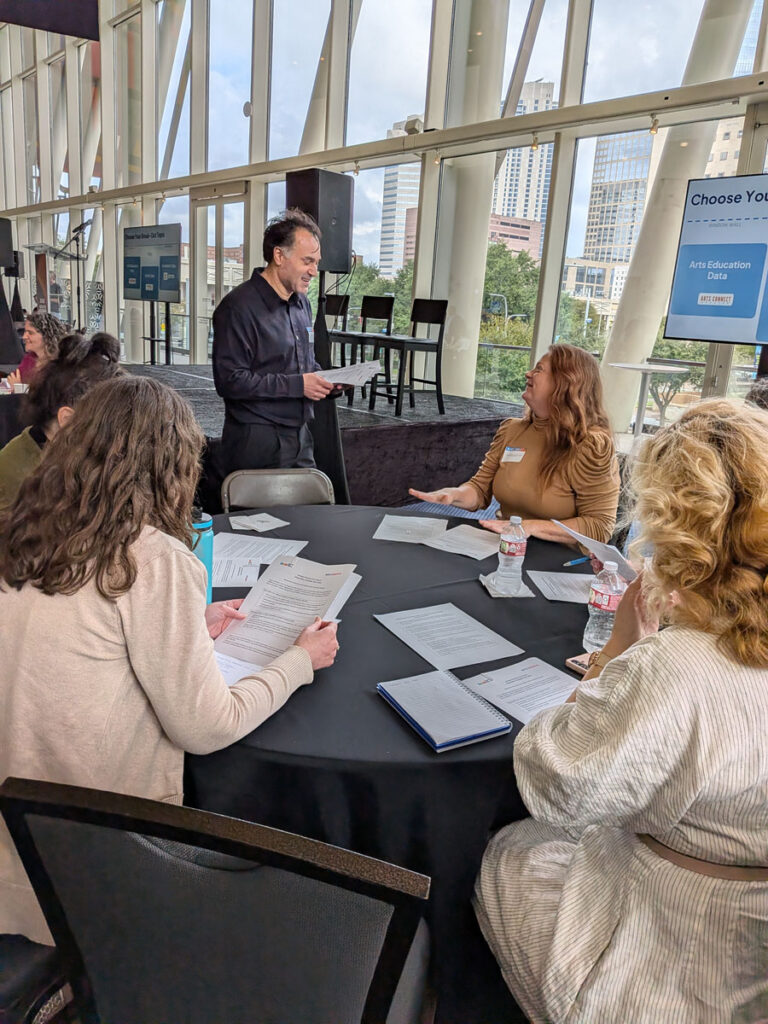
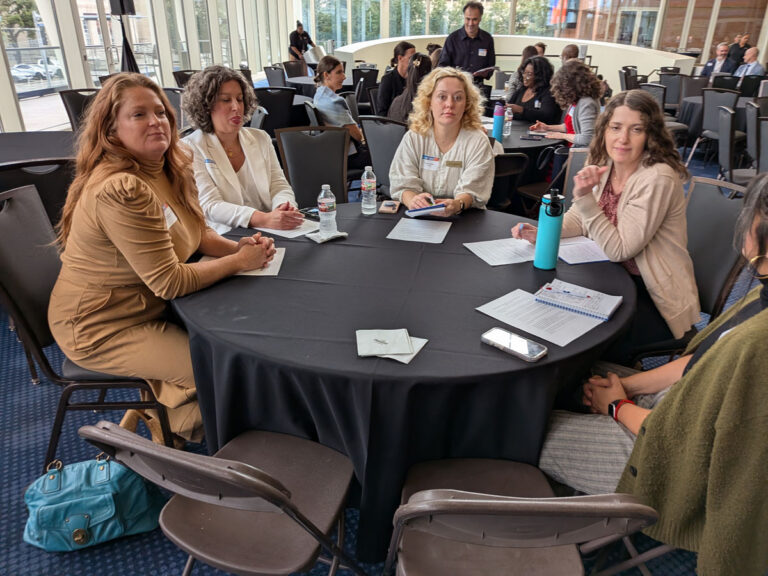
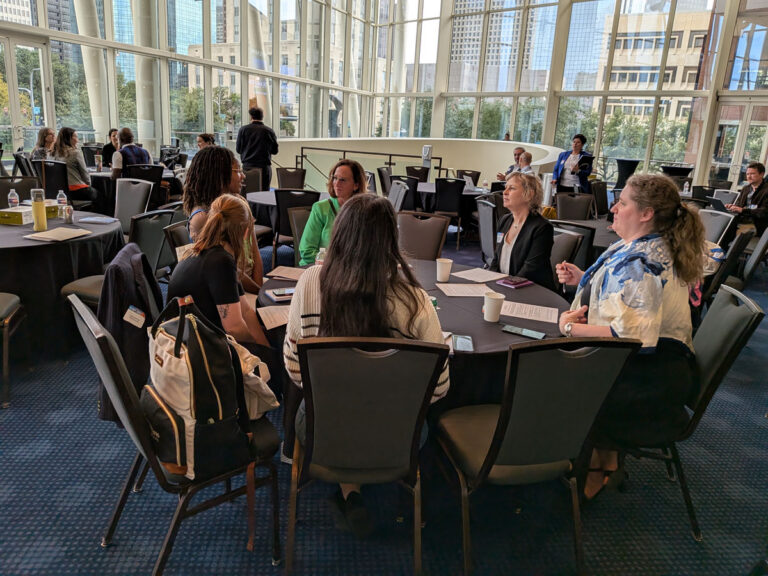
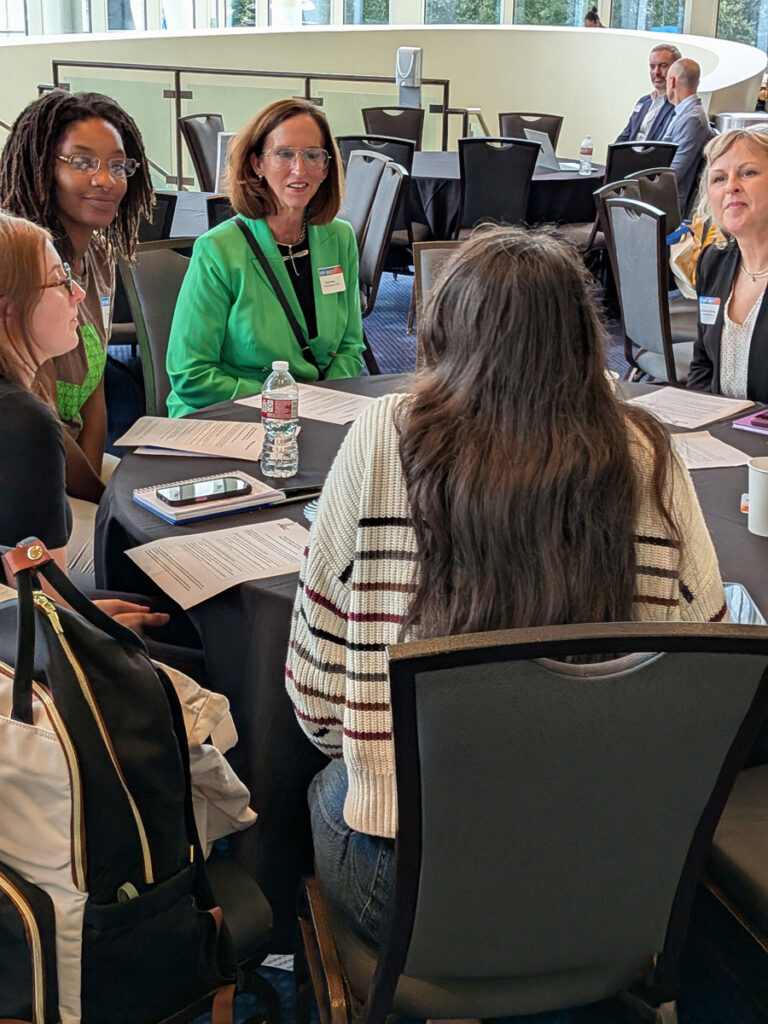
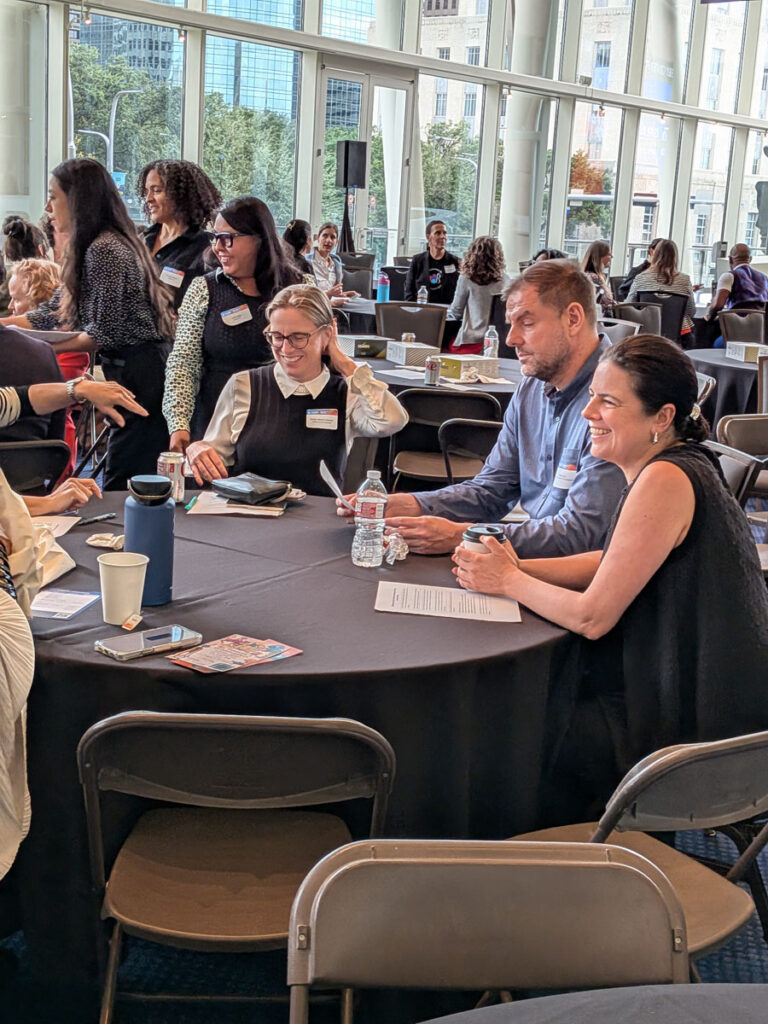
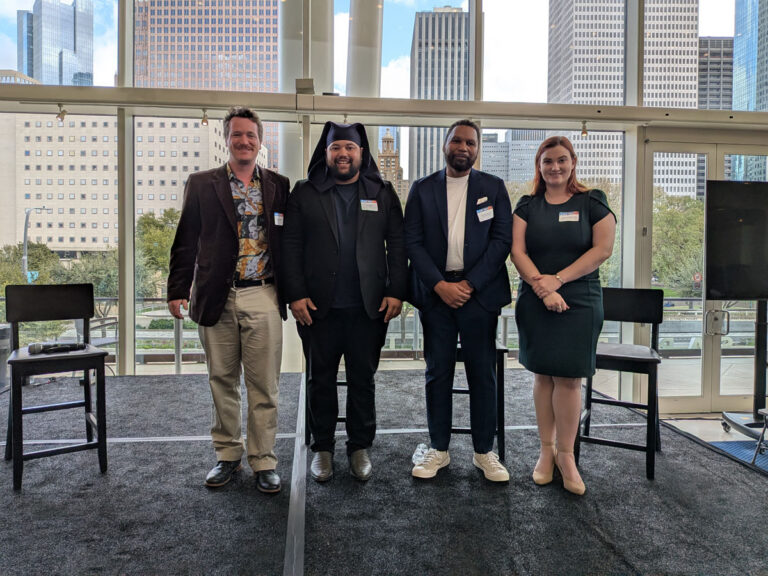
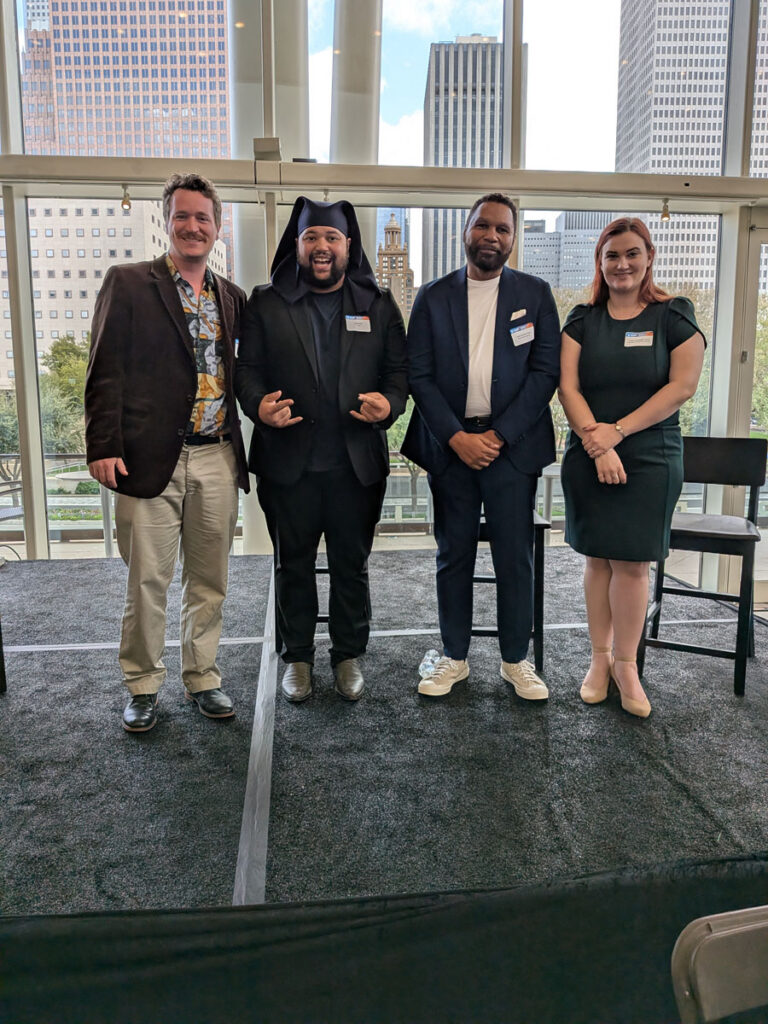
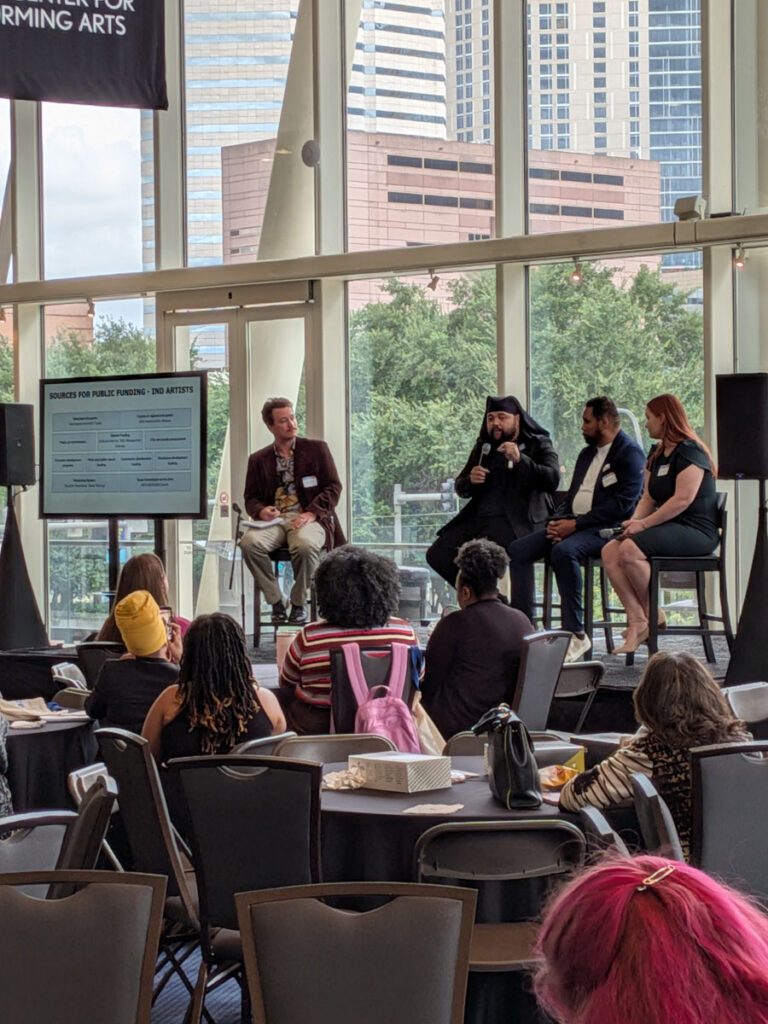
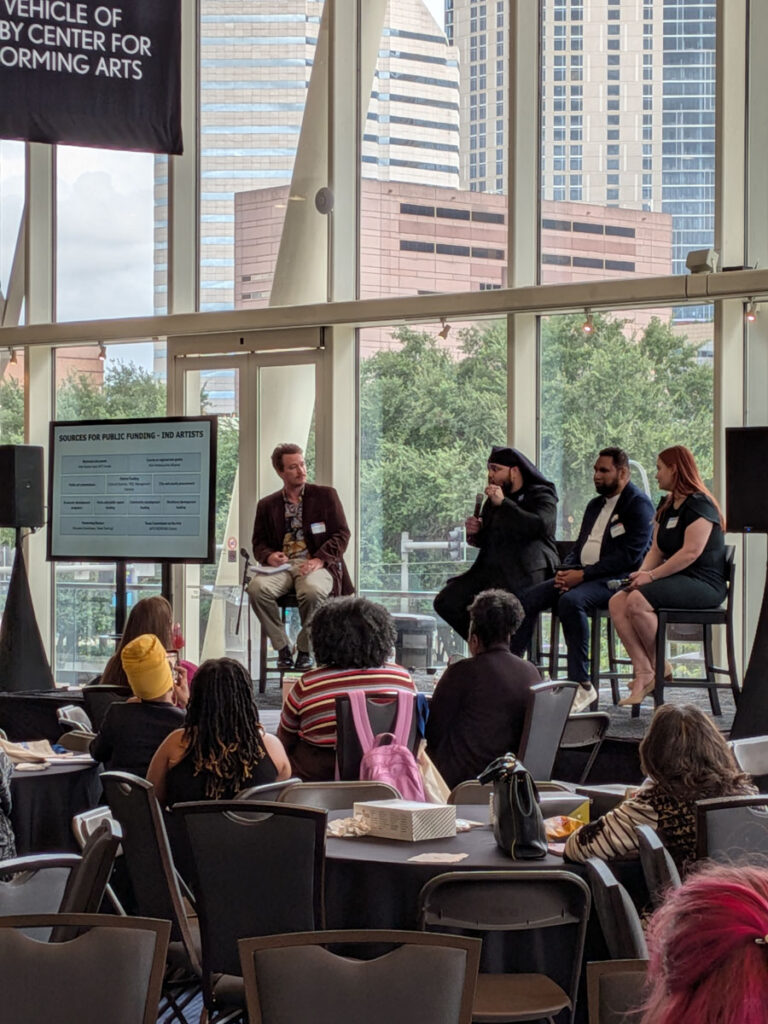
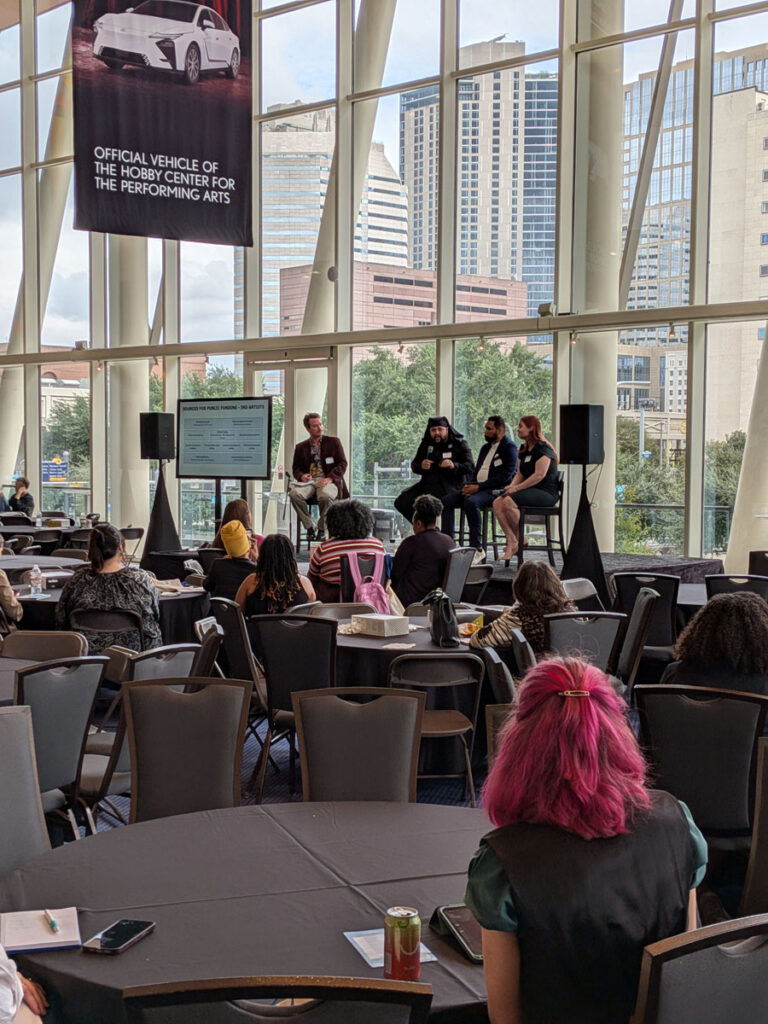
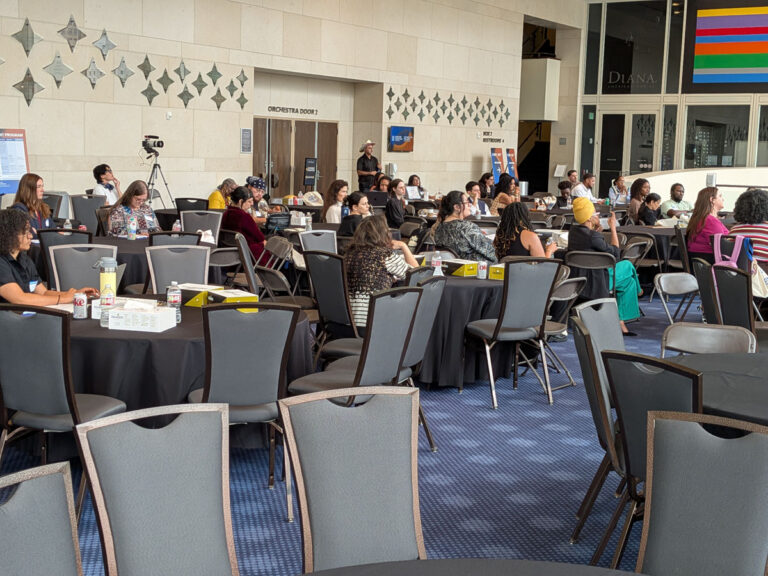
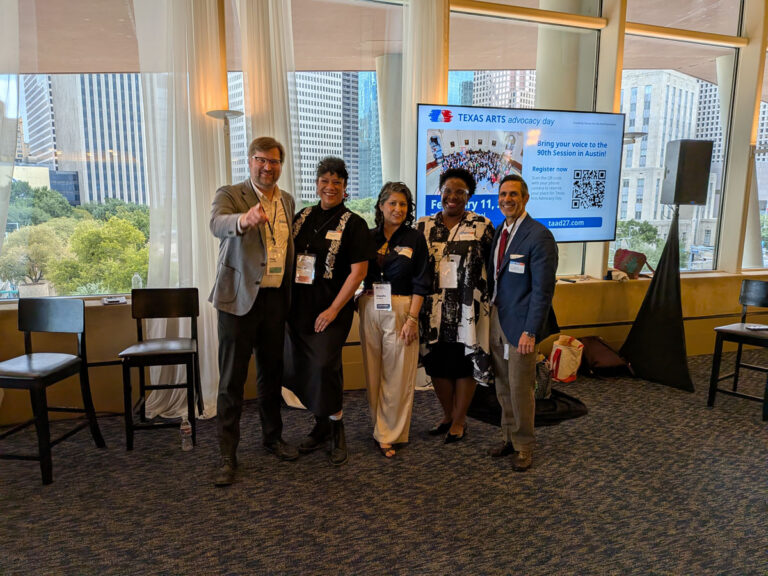
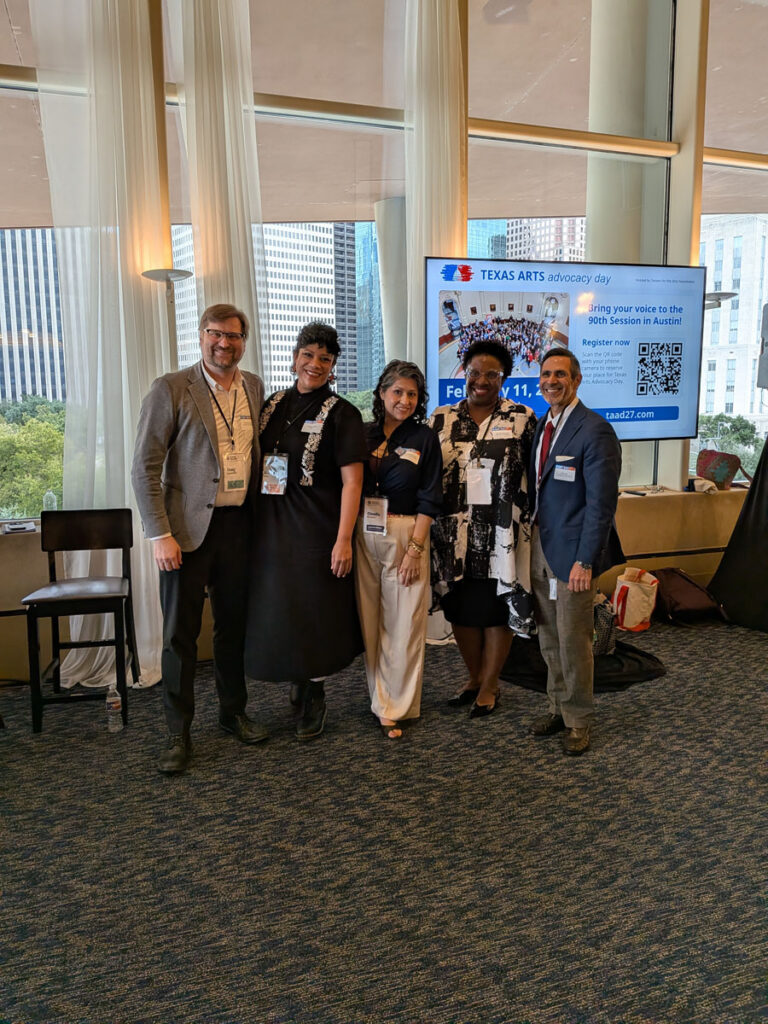
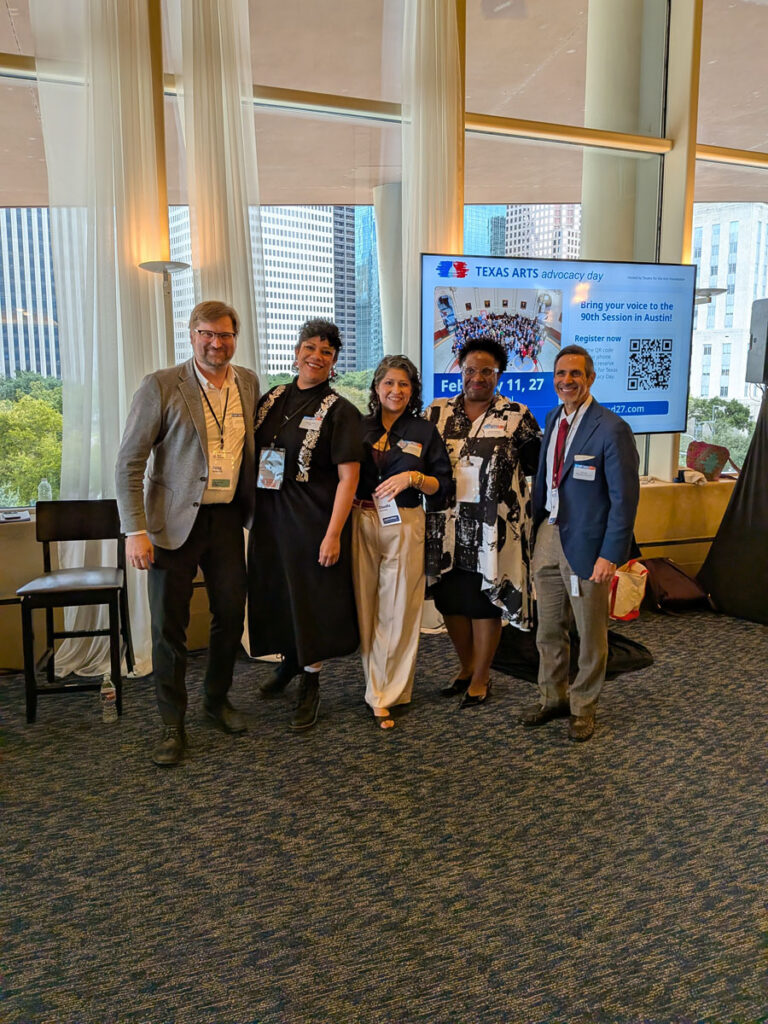

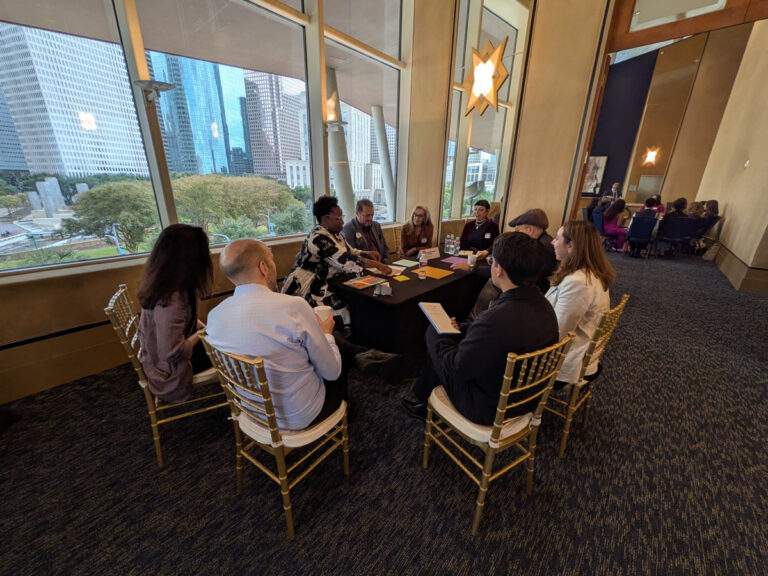
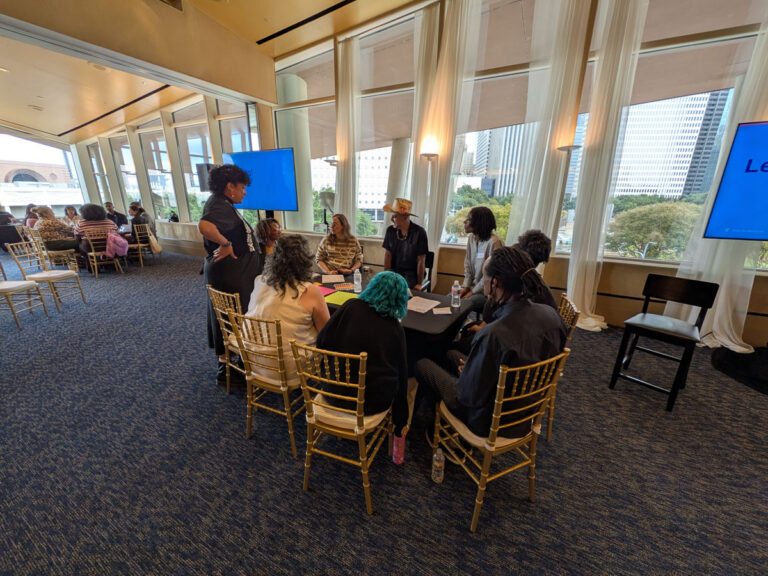
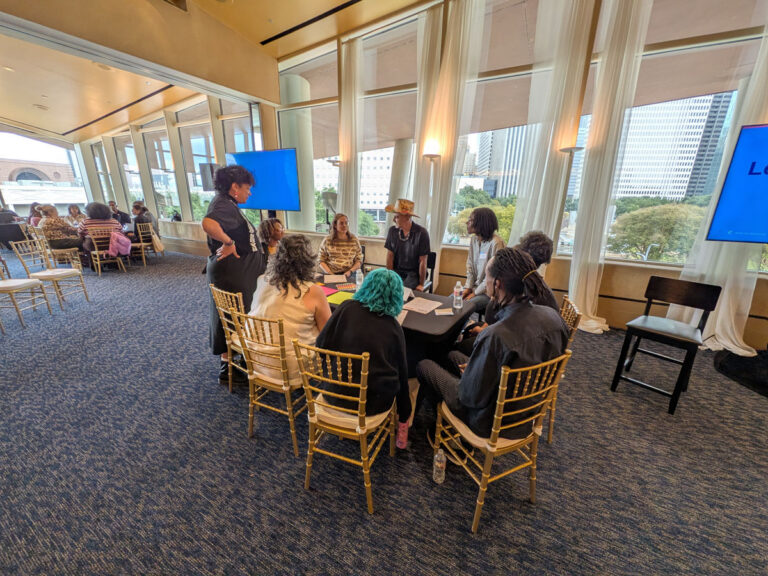
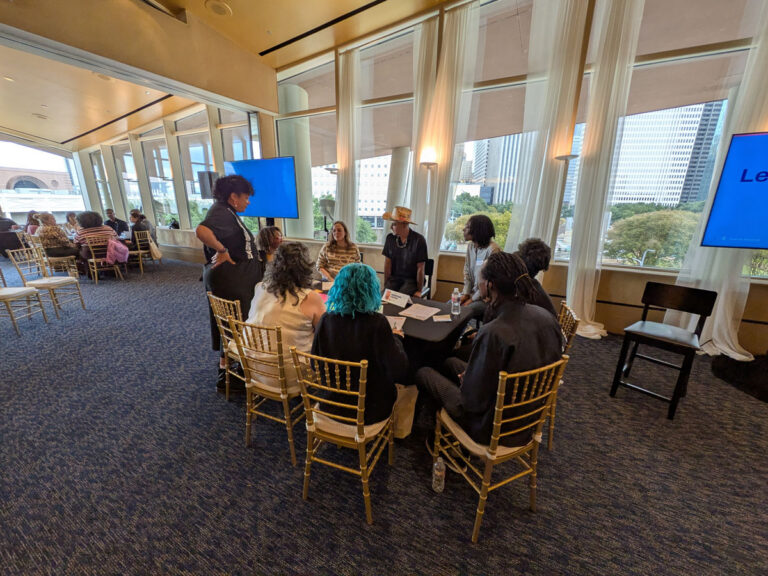
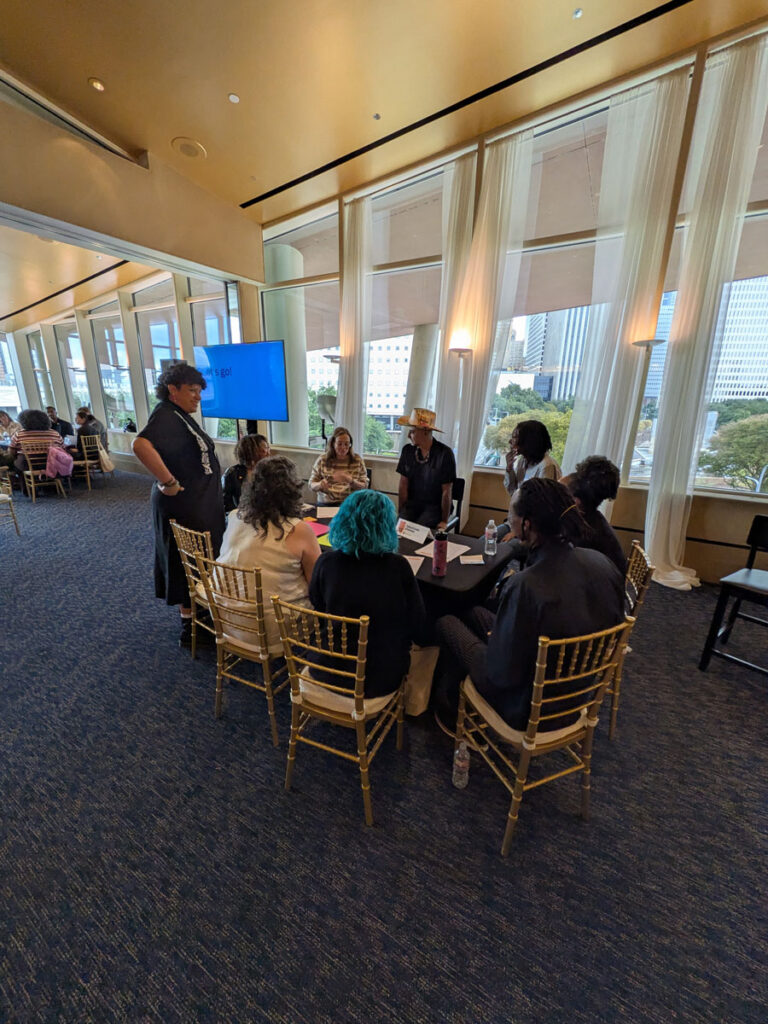
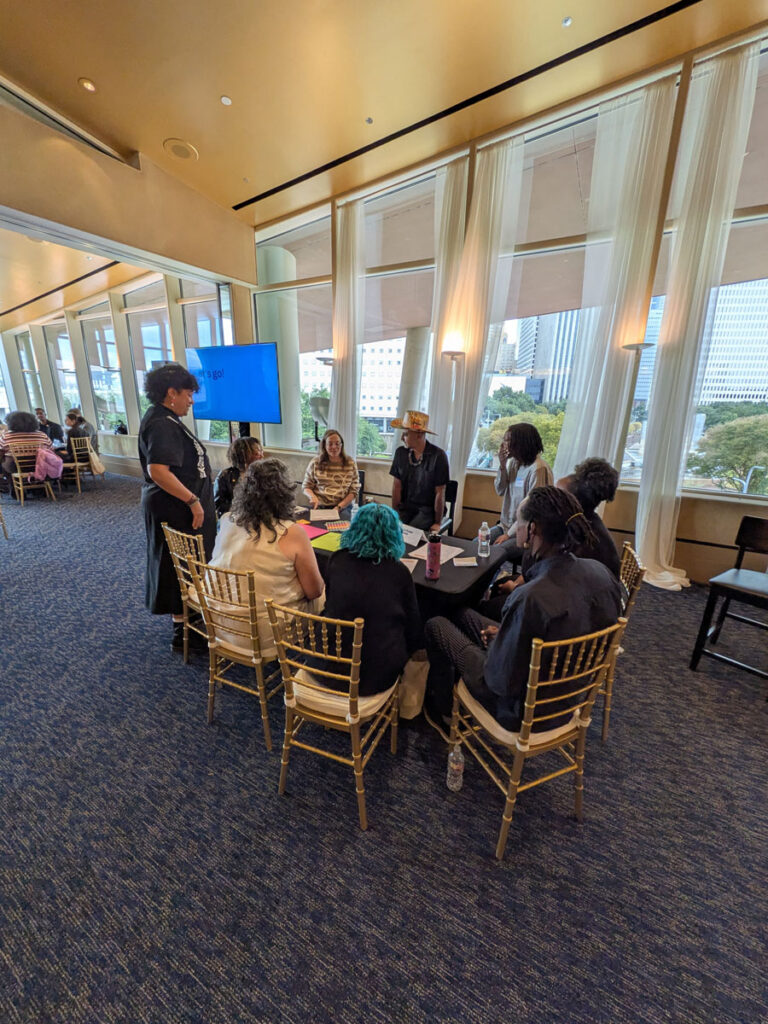
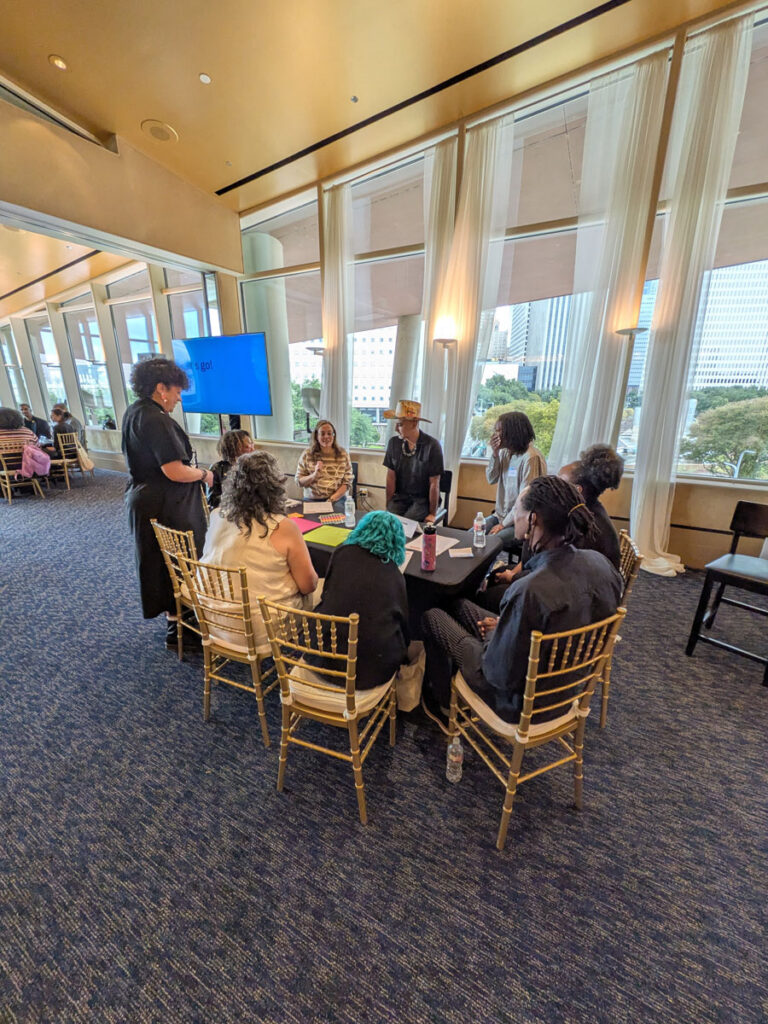
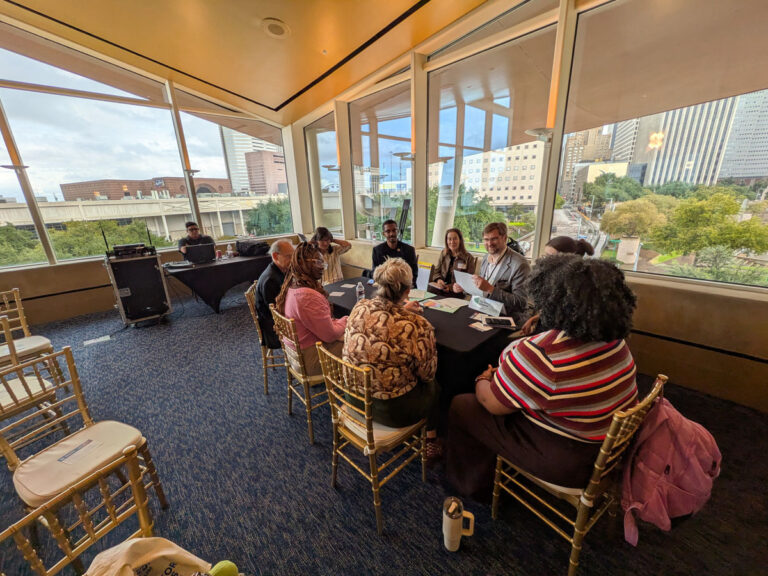
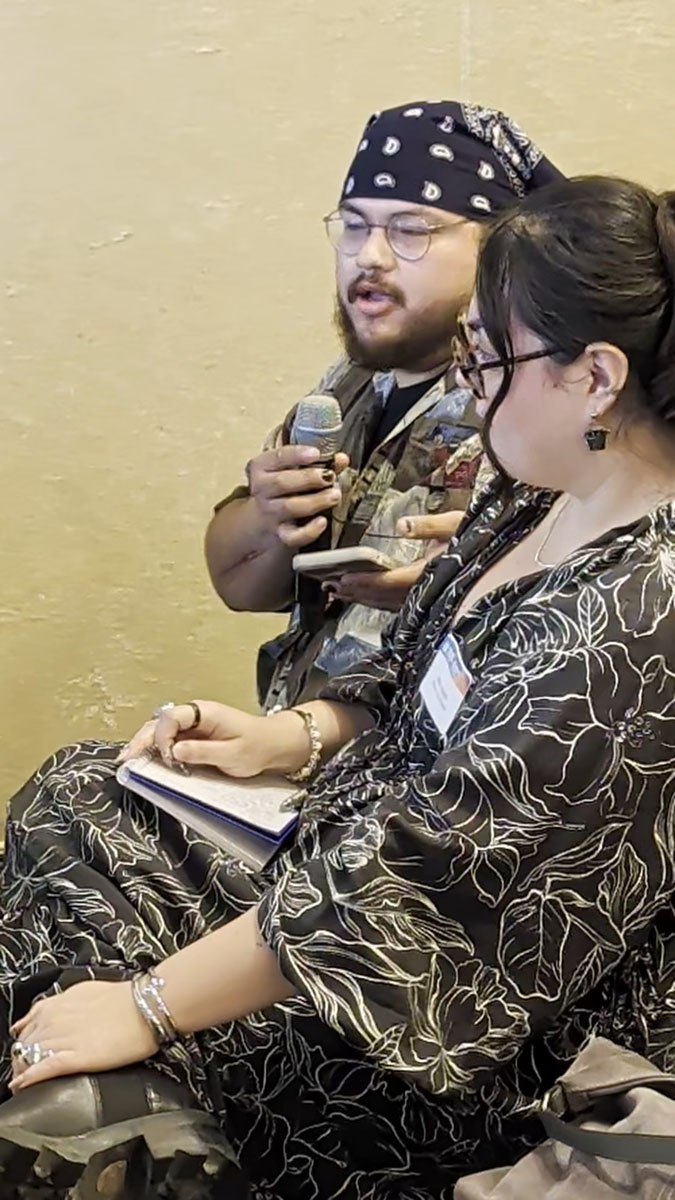
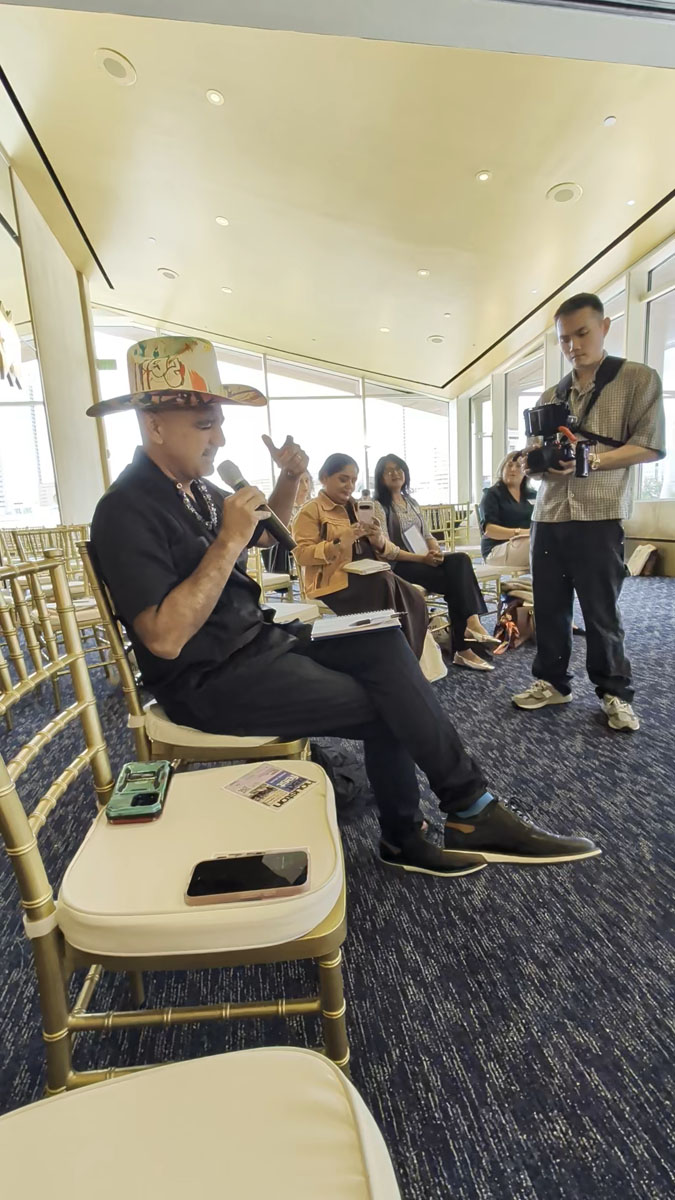
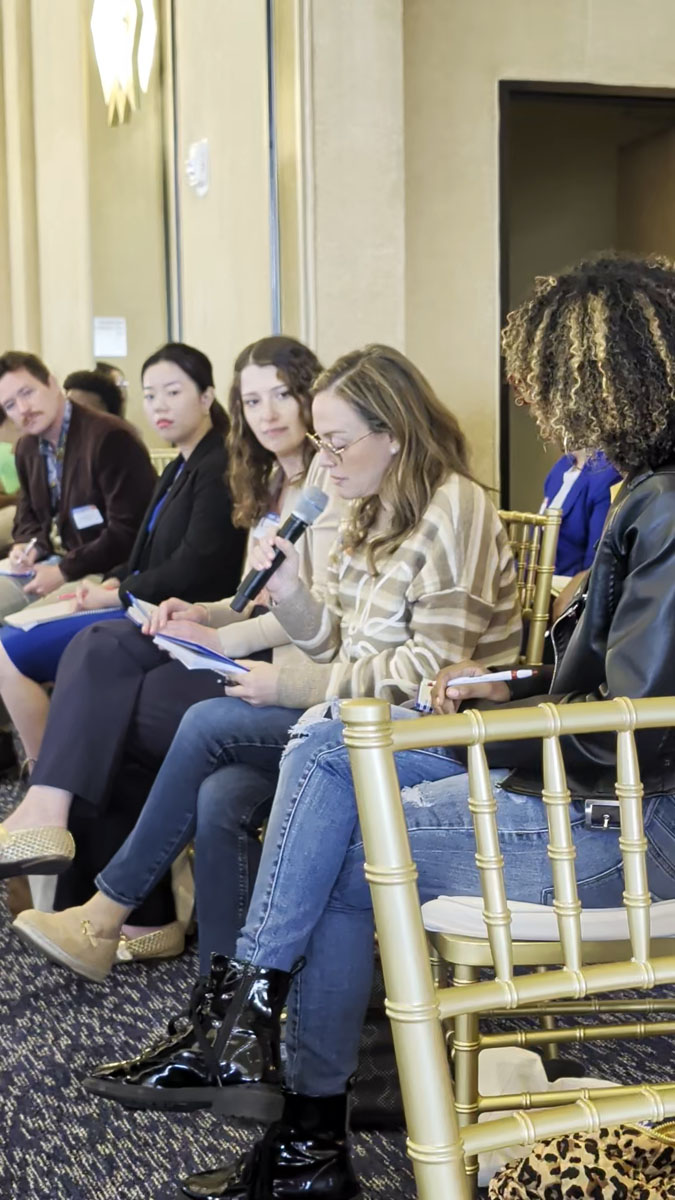
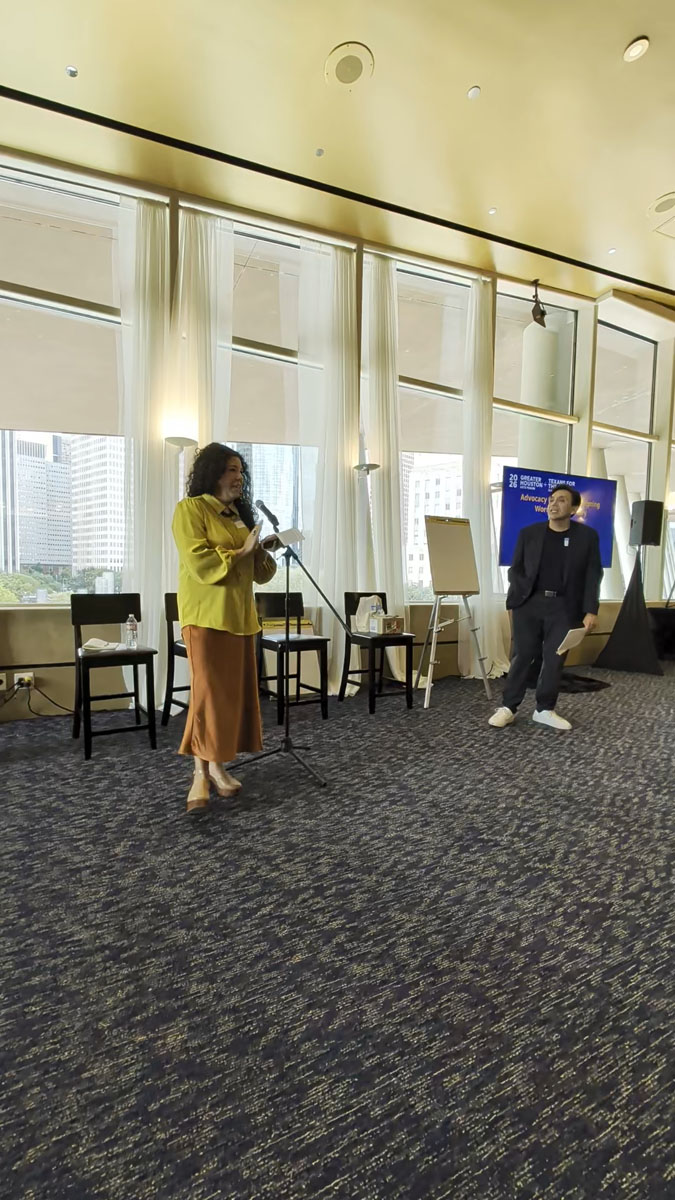
Over three days at the Texas Tribune Festival in Austin, HouArts brought a simple but powerful invitation to one of the state’s most politically engaged gatherings: tell us why the arts matter to you.
At a dedicated booth, festival attendees stopped to write personal messages on postcards sharing what arts and culture means to them and why it deserves public support. Those postcards will be hand-delivered to the State Capitol in Austin on Arts Advocacy Day, February 11, 2027, putting community voices directly in front of state legislators at a critical moment for arts funding in Texas.
The installation was made possible by Houston Endowment.
purpose + findings
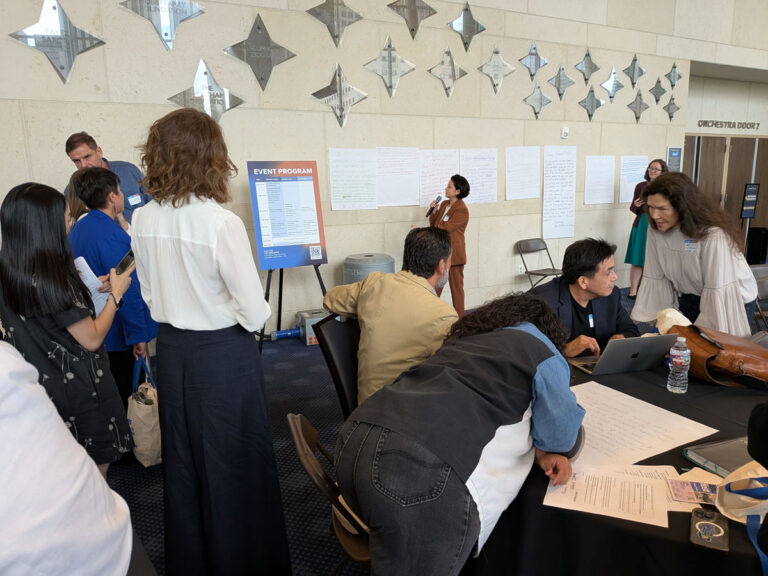
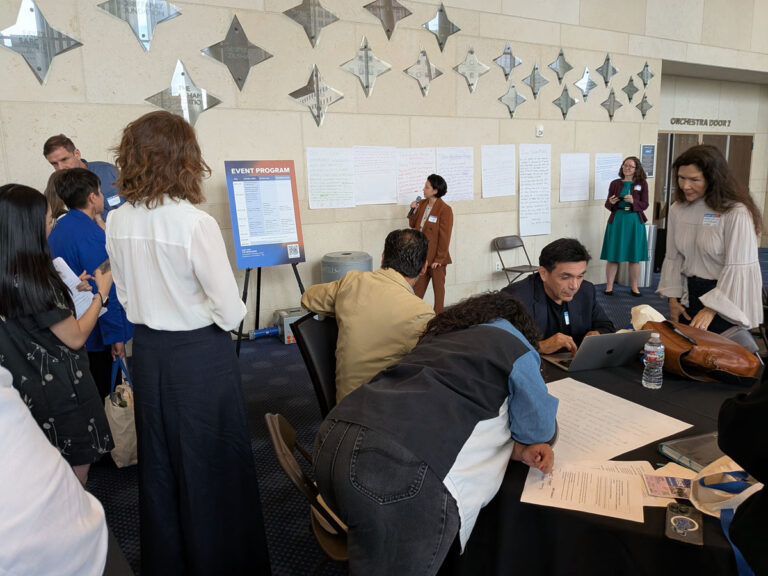
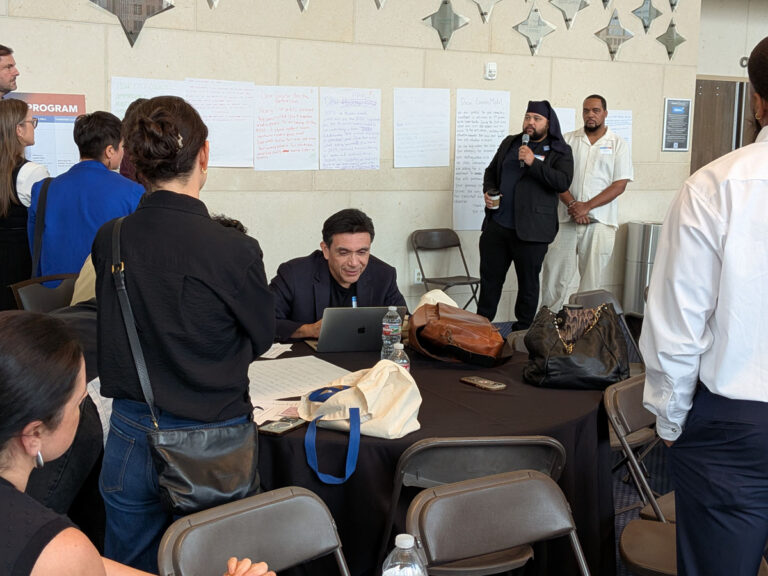
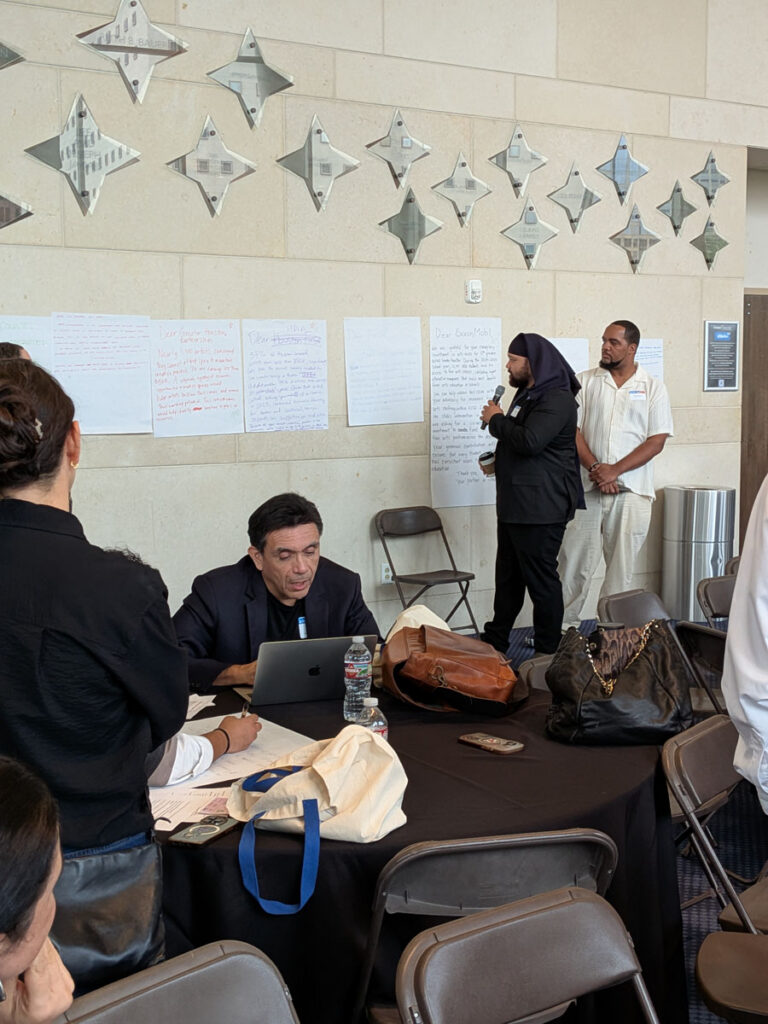
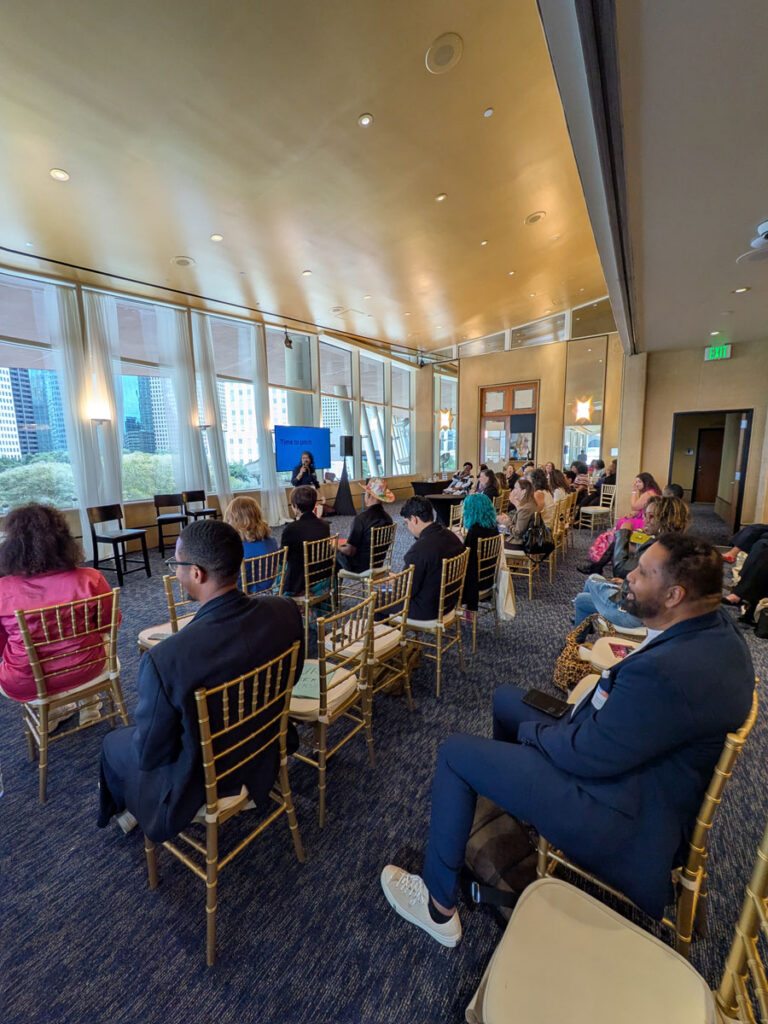
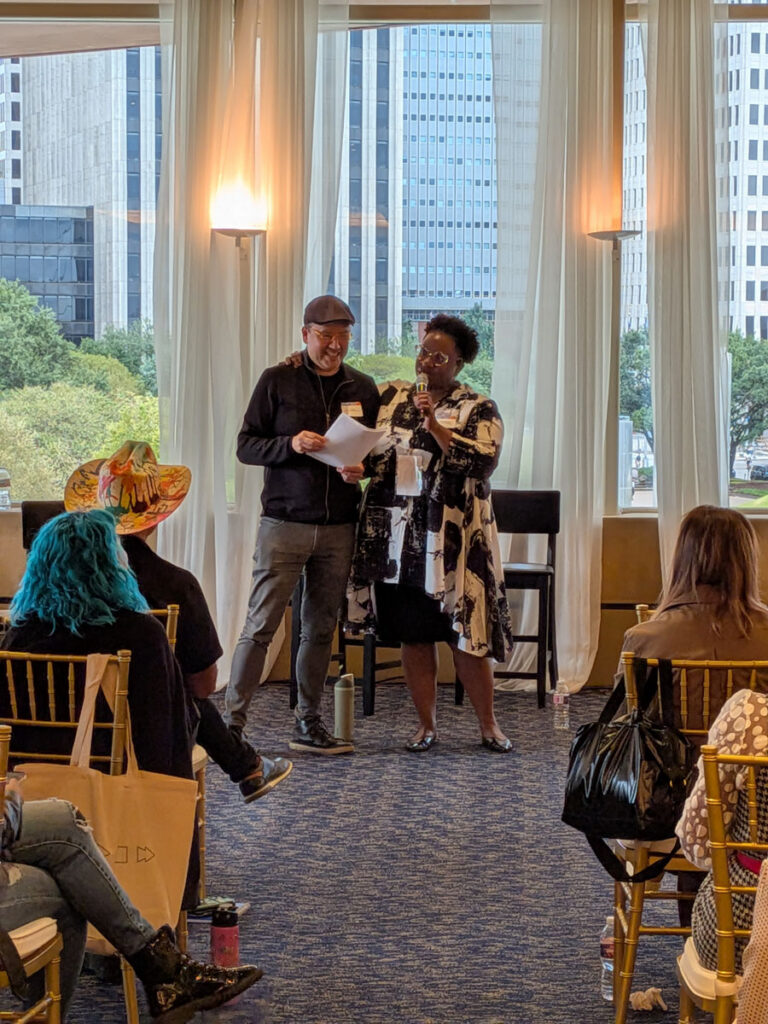
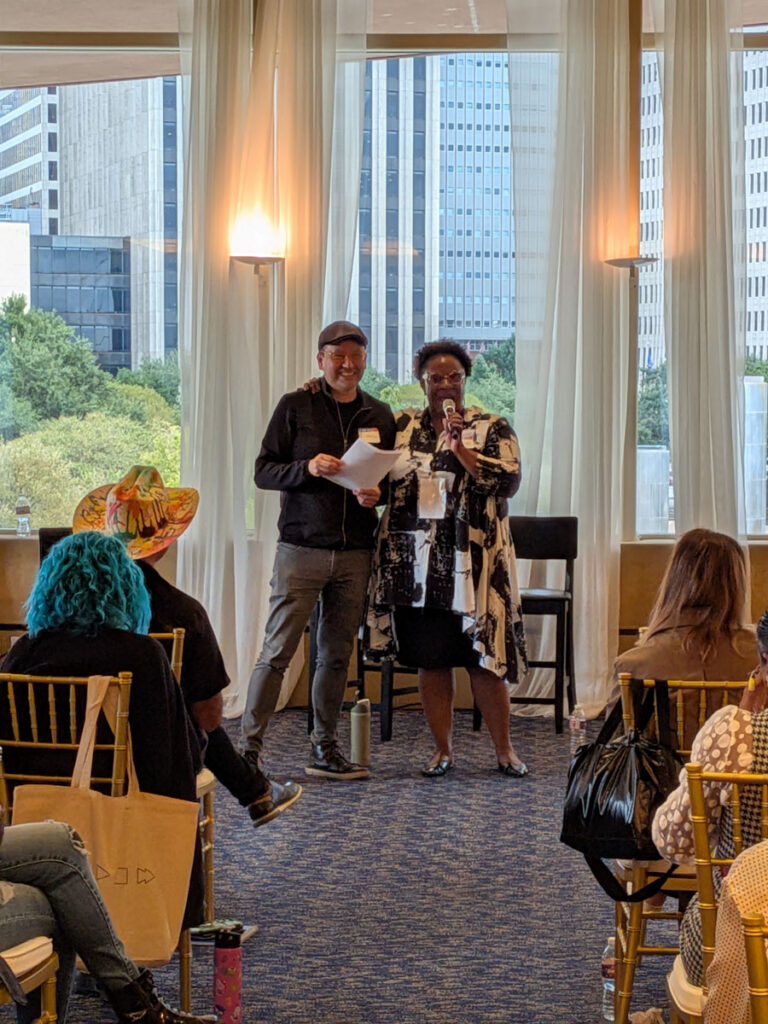
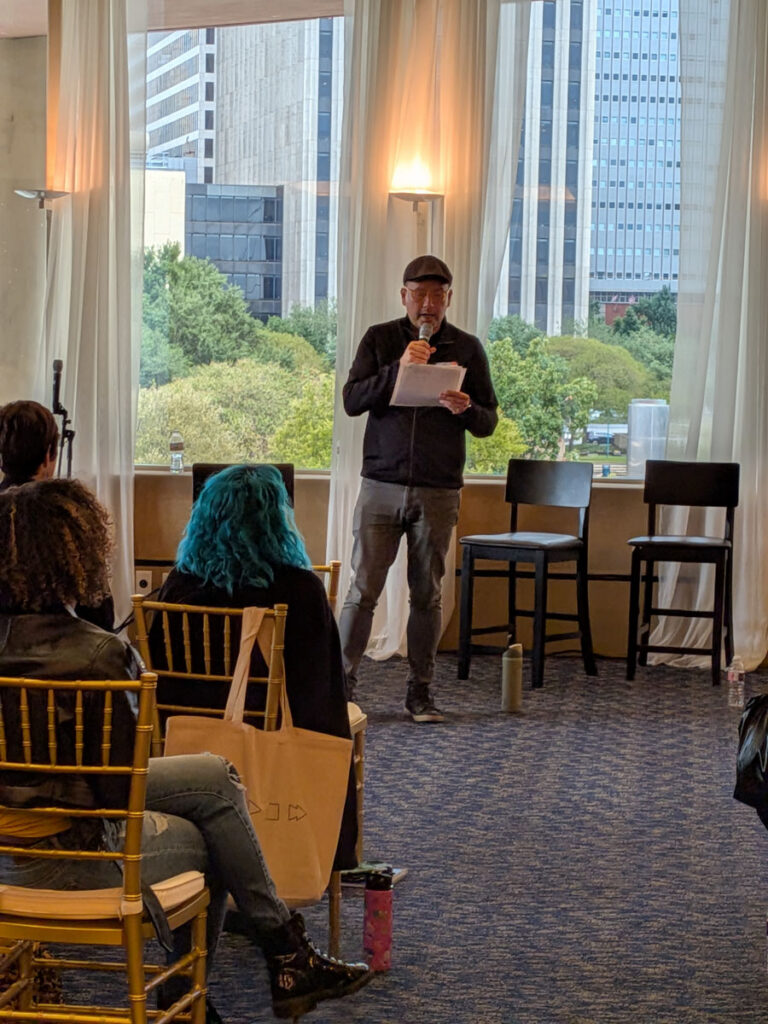
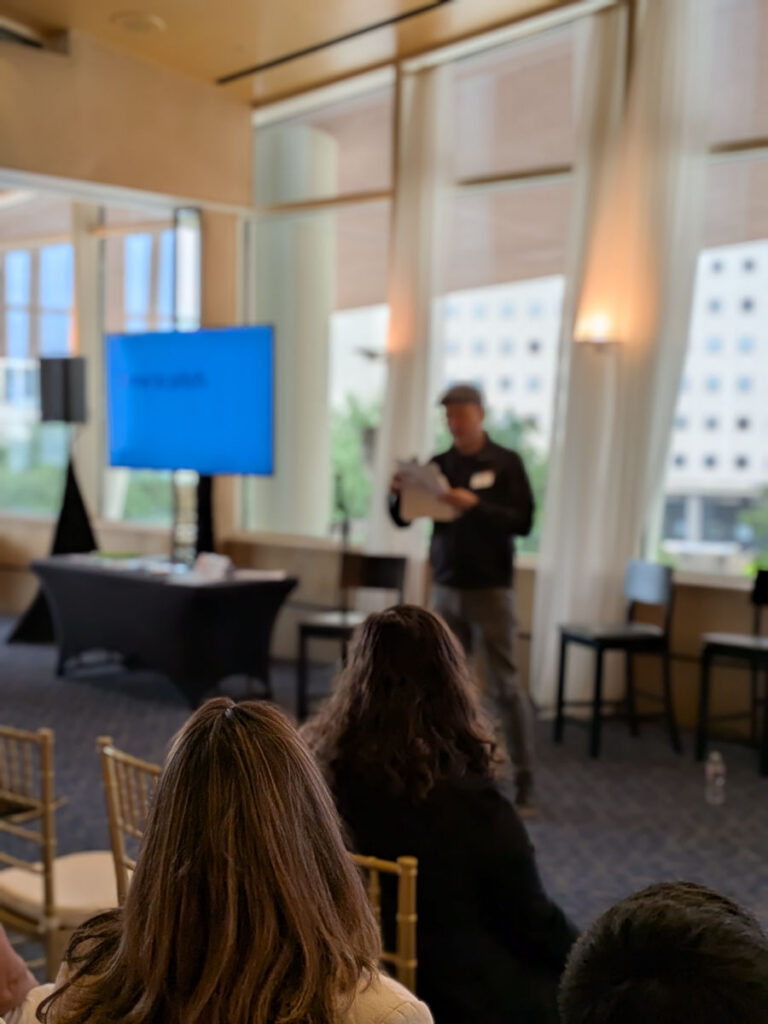
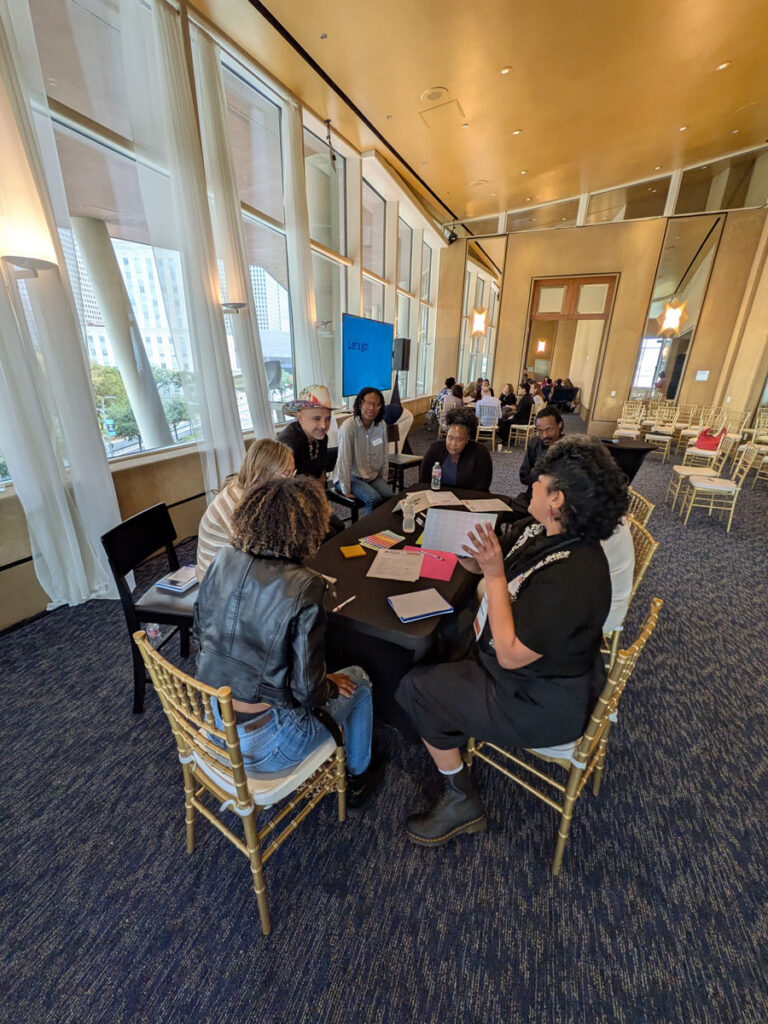
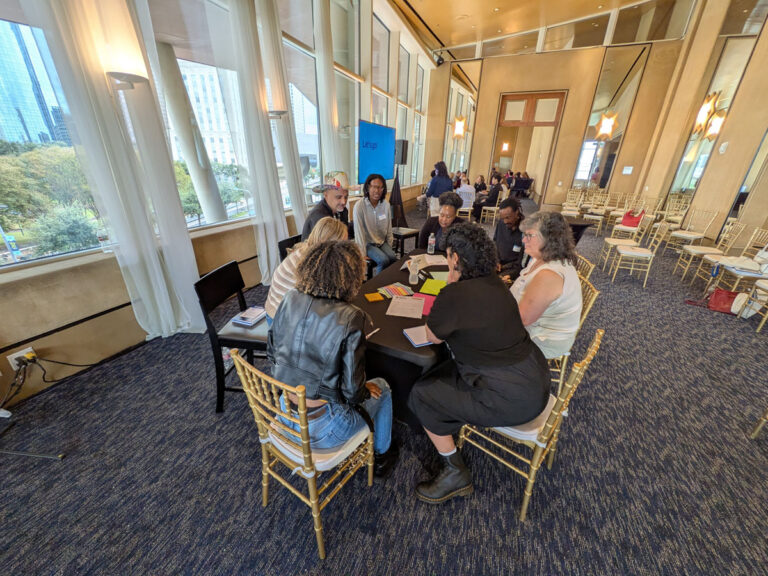
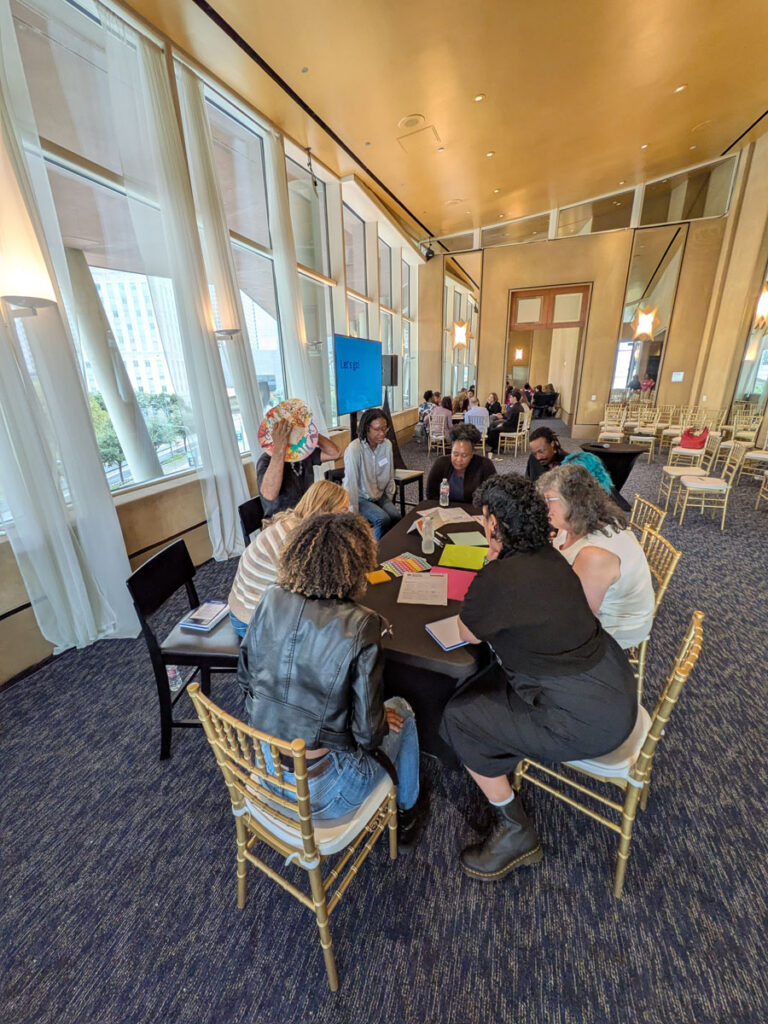
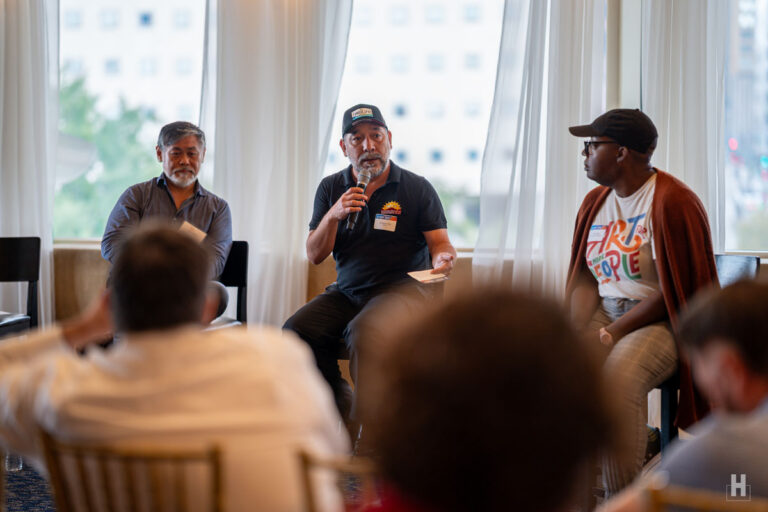
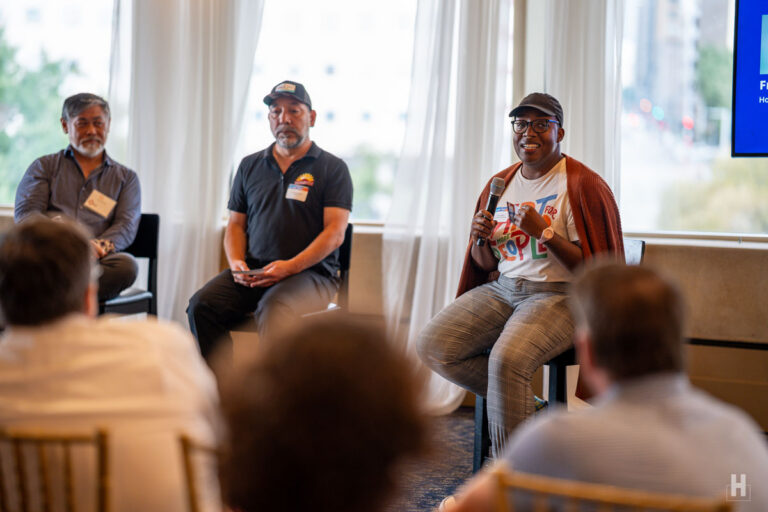
The Effective Storytelling Working Group spent the pilot year exploring exactly that: who currently shapes Houston’s arts and culture narrative, whose voices are missing, and what it would take to change that. The group practiced responding to real media moments, ran a hackathon to generate bold citywide ideas, and hosted Arts x Influence: A Creative Exchange — a sold-out event at the Deluxe Theatre that brought content creators and arts organizations together for the first time to talk honestly about how Houston’s cultural story gets told, and how they can tell it better, together.
The pilot year proved the appetite is there. The next step is building the infrastructure to match it.
The Economic Opportunity Working Group spent the pilot year identifying where the gaps are and starting to fill them. Opportunities exist across the city, but they are scattered, hard to find, and often depend on knowing the right people. Artists and cultural workers need clearer connections to the sectors that can sustain them — workforce development, tourism, business, major events. Five subgroups formed around these specific areas and began developing tools, guides, and relationships to address them directly. The group also met twice with the Vibrant Spaces Working Group, because access to space and access to income are part of the same challenge.
By the end of the pilot year, the group had mapped the landscape, identified the gaps, and begun building the relationships and tools that could make opportunity in Houston’s creative sector more visible and accessible to everyone.
The Public Funding Working Group spent the pilot year closing that gap. Artists, organizers, and advocates came together to understand how public arts funding actually flows in Houston and Harris County — the legal frameworks, the budget timelines, the decision-makers, and the moments when community voices can make a difference. The group practiced public testimony, studied how narratives about the arts shape funding decisions, and began building the relationships and knowledge needed to show up consistently and effectively in public spaces. The work is long-term by design. Policy change doesn’t happen overnight, and this group is planting the seeds with that in mind.
Houston’s creative community belongs in these conversations. This group is making sure they’re ready.
The Vibrant Spaces Working Group spent the pilot year exploring what makes a cultural space actually work — for artists, for communities, and for the neighborhoods they sit in. The group visited active creative spaces across the city, talked directly with owners and operators, and documented what they found: what draws people in, what gets in the way, and what the difference is between a space that has art and a space that genuinely serves its community. The group also joined forces with the Economic Opportunity Working Group twice, because space access and economic opportunity are not separate problems. They surface together and need to be solved together.
The work ahead is about making sure Houston’s creative spaces are not just beautiful — but also accessible, sustainable, and rooted in the neighborhoods that need them most.
Producer/Creative Director — Sha Davis @sdarts_htx
Director — Jared Jones | @thejayspence
Director of Photography / Gaffer — Jay Clark | @jayclarkfilms
Camera Operator — Jordan Kelley | @jordvnkelley
Grip — Bode Matthes | @BodeMatthes
1st AC — Jeremy Ortiz | @paintedbearstudios
Set Designer — Frank Xavier | @the_creativex
Production Assistant — Saylor Campbell | @saylor_campbell
Production Assistant — Jessica Nunez | @elizab_james10
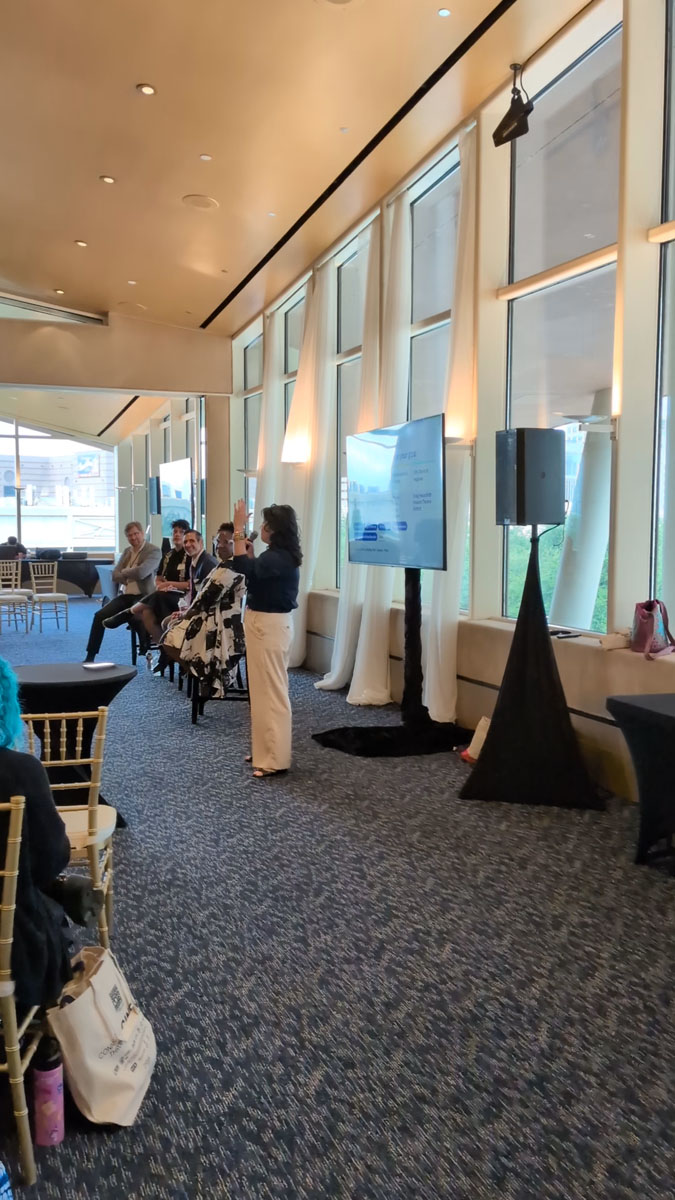
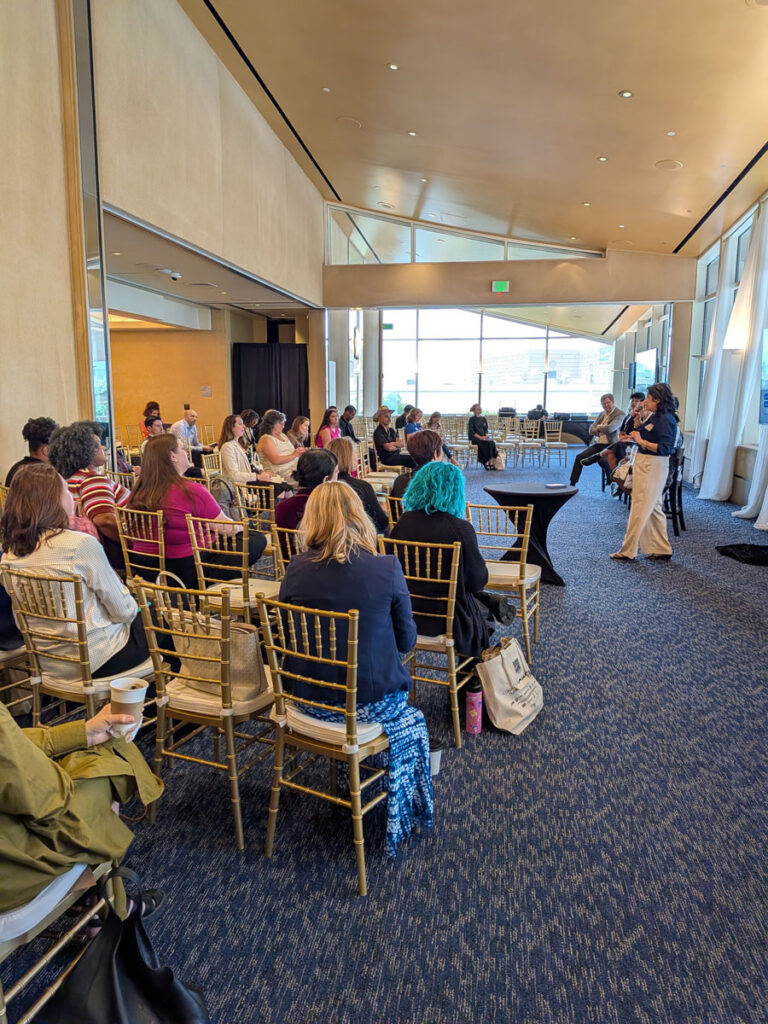
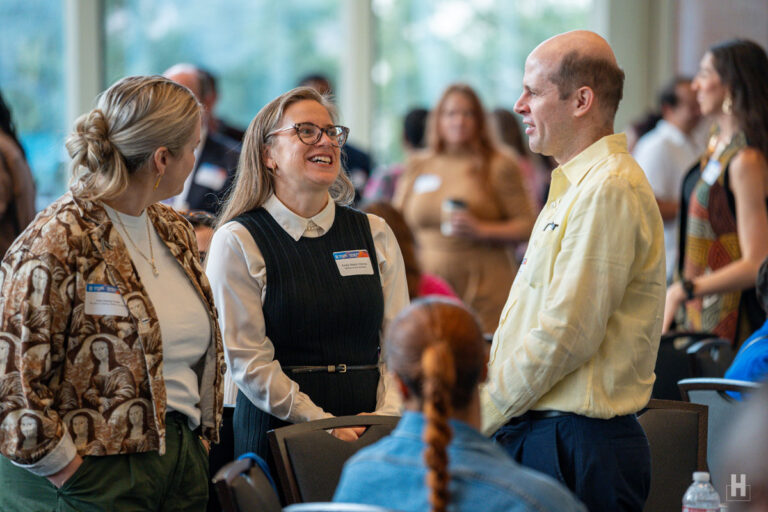
These gatherings brought together artists, cultural workers, advocates, and curious Houstonians for updates on the working groups’ progress, open discussion, and the kind of informal connection that doesn’t happen in structured sessions. No agenda too rigid, no question too basic — the meetups were designed to be a consistent, welcoming entry point into HouArts’ work for people at every level of familiarity with the sector.
OVERVIEW
Register to join the bus from Houston to Austin for Arts Advocacy Day
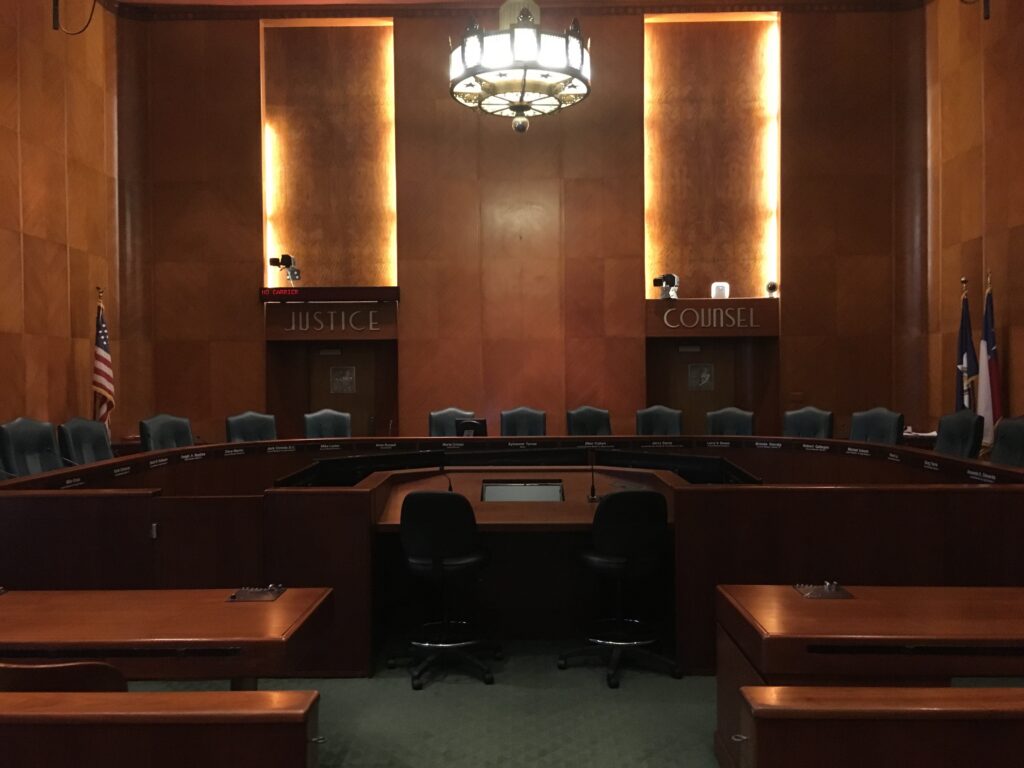
*All meetings will usually take place on the second Wednesday of the month at 2:00 P.M (unless other-wise noted) in the Anna Russell City Council Chamber, City Hall, Second Floor, 901 Bagby, Houston, TX 77002. Please refer to the City of Houston’s website for more information.